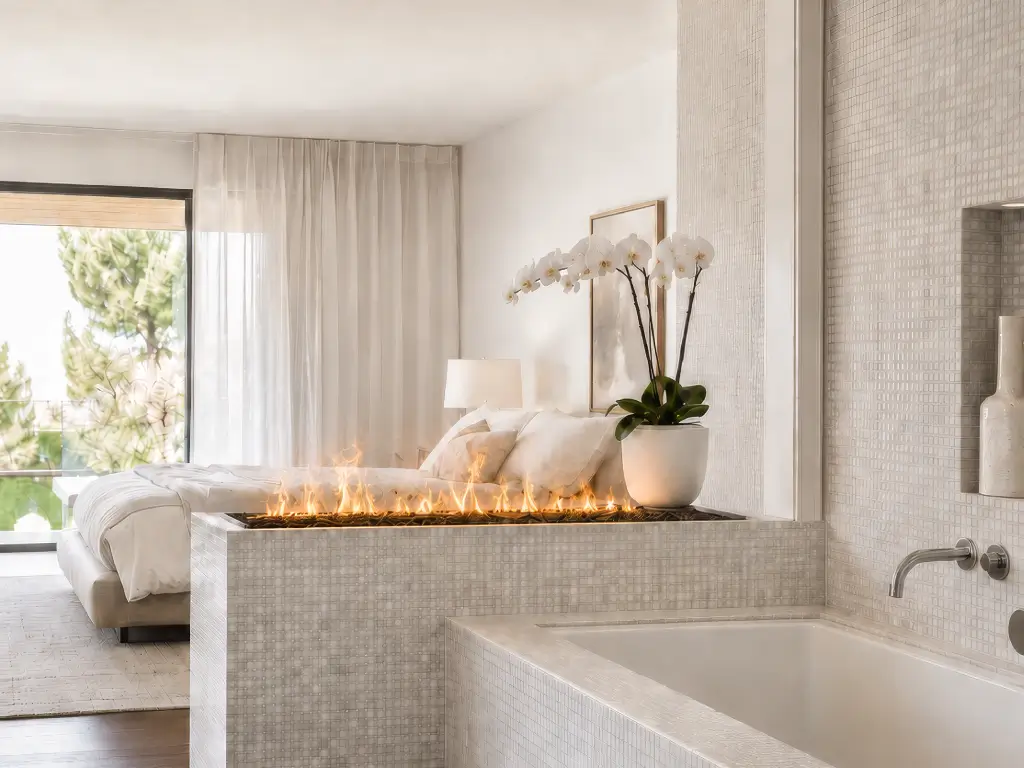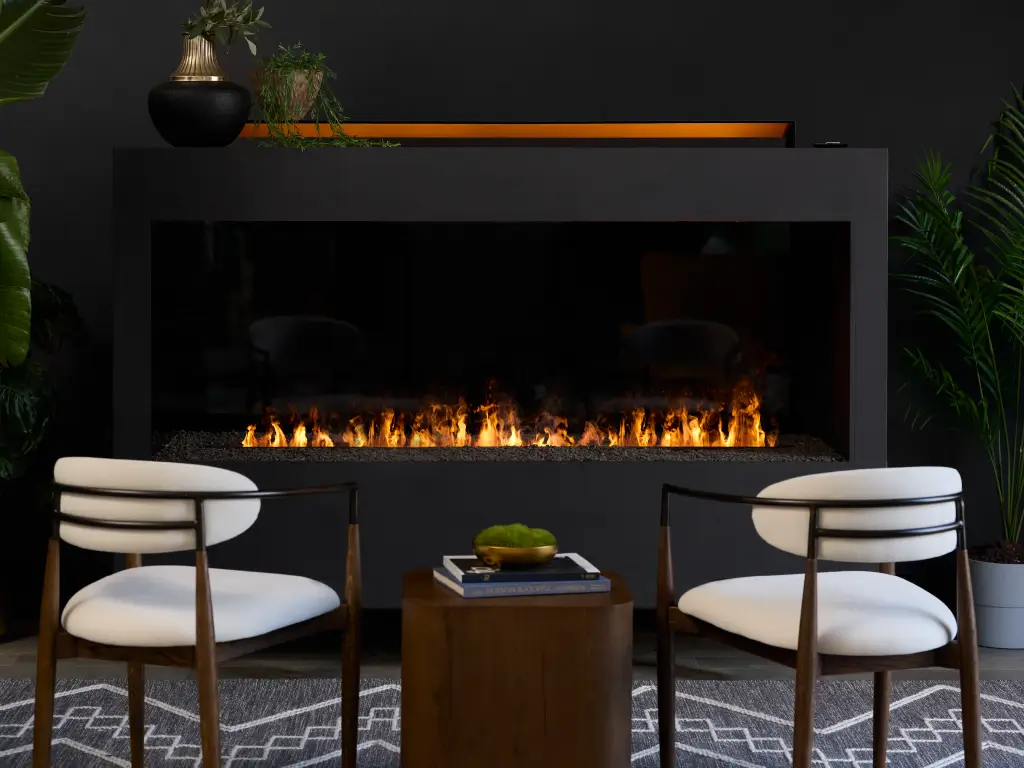

As building codes, energy standards, and project expectations evolve, planning for a fireplace is now a bigger part of the design process. Architects, designers, builders, and homeowners should think about the fireplace early, especially if they want the look of fire without warmth, smoke, combustion, or venting.
In markets like New York and California, new building and energy codes are creating new planning pressures around traditional fireplaces, especially for projects involving combustion, fossil fuel access and long-term energy performance. New York’s all-electric building requirements are influencing how many new residential projects approach fossil fuel appliances, while California’s updated building standards continue to place greater emphasis on energy performance and electrification. For project teams, that means fireplace decisions may need to account for more than design intent. They may also need to account for fuel access, project location, appliance type, permitting path and long-term energy goals.
This doesn’t mean wood or gas fireplaces are a bad choice. In many homes, cabins, retreats and commercial environments, they still deliver a powerful and appropriate fire experience. But in projects where combustion, venting, fuel lines or supplemental warmth create planning challenges, Acucraft’s water vapor fireplaces offer another way to think about fire and expand the range of modern fireplace options available to the project team.


Fireplace Planning Is Getting More Complex
For years, fireplace planning often started with a simple question: wood, gas or electric? Today, the conversation is broader. Teams need to think about how a fireplace affects layout, ventilation, clearance requirements, fuel access, BTU output, emissions, electrical needs and long-term usability.
These factors can impact more than code requirements and fireplace planning. They can alter your budget, timeline, room allocations and overall design atmosphere. An immersive focal point in a lobby, wellness center or open concept home may have different requirements than a fireplace used to provide supplemental warmth in a cabin or primary residence.
This is why it’s important to plan early. When designers, builders, and homeowners think about the fireplace from the start, it’s easier to match design ideas with what’s possible during installation.
Acucraft’s guide to what to expect from your custom fireplace design project can help you see how early choices affect the final outcome.
What Changes When Codes and Project Requirements Enter the Conversation?
Codes, energy standards and project requirements will drive most planning when it comes to fireplaces. But rather than thinking of product selection first, look at what the space needs, what the project can support and which high-performing fireplace solutions meet the requirements for location, fuel plan and design intent.
Both wood and gas fireplaces require combustion, so planning with these products needs to include investigation of venting and clearances as well as fuel source. 
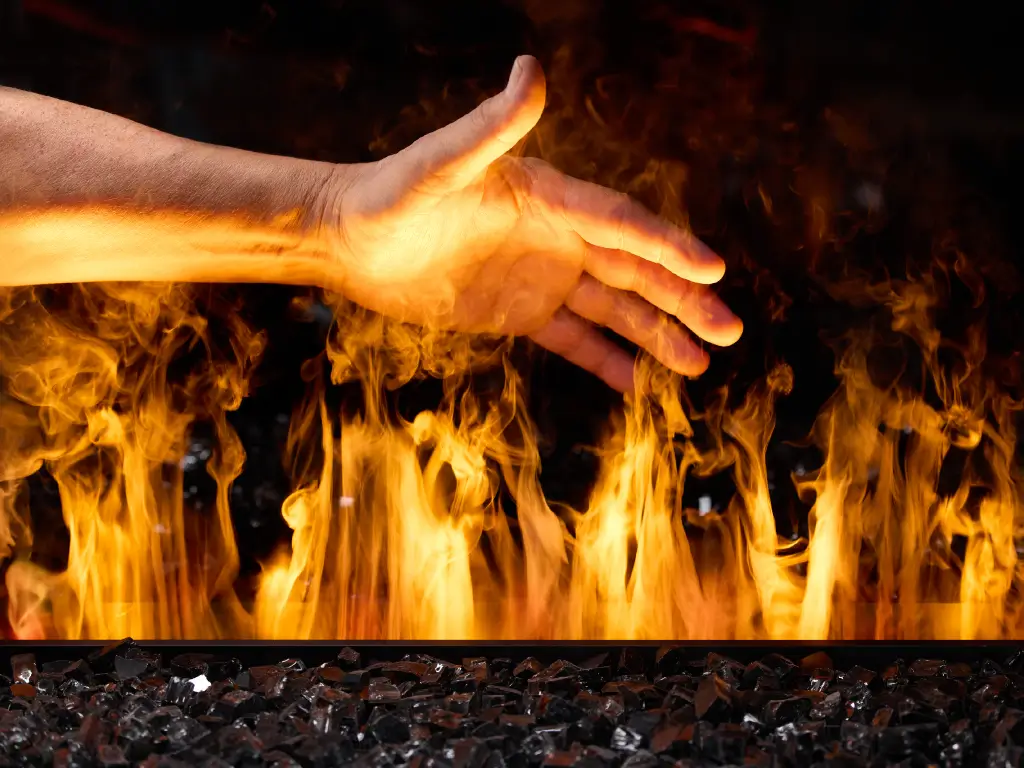
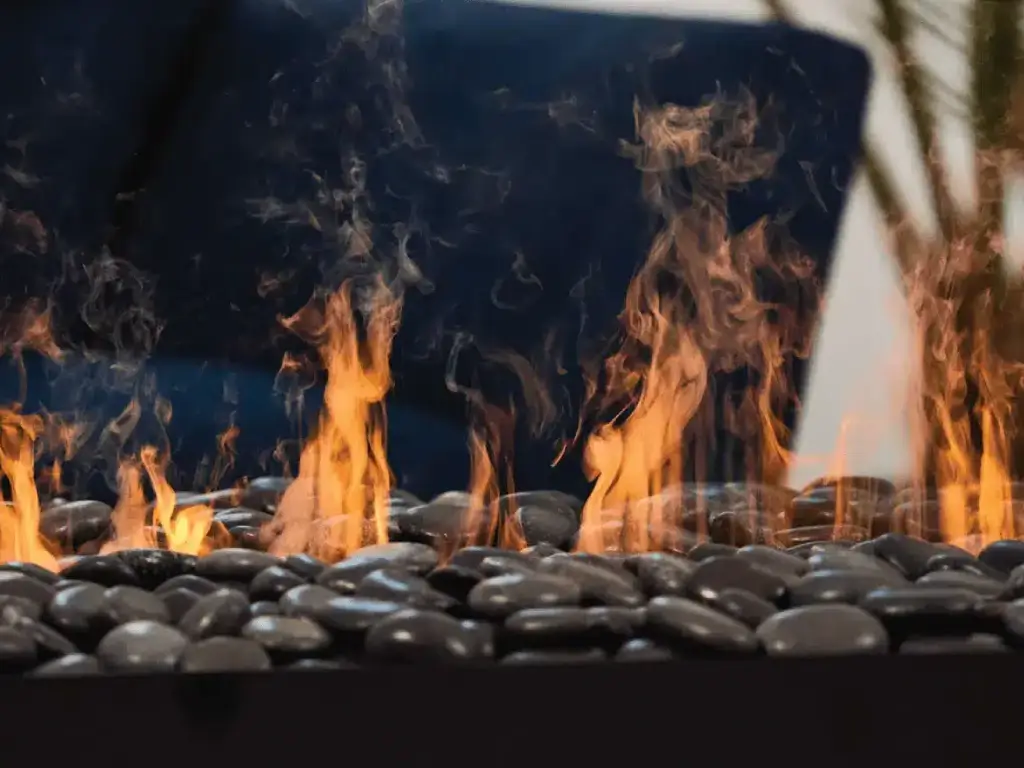
Water vapor fireplaces change that conversation because they don’t rely on combustion. They create a realistic flame effect using water vapor, LED light and airflow, not a burning fuel source. As a result, they do not produce heat, smoke or emissions and do not require venting.
That doesn’t mean you can skip planning. Project teams still need to check product specs, electrical needs, dimensions, placement, and project documents. Requirements can change depending on the location, product, and installation, so architects, builders, installers, and local officials should always confirm what applies to each project.
How Water Vapor Fireplaces Create the Look of Fire
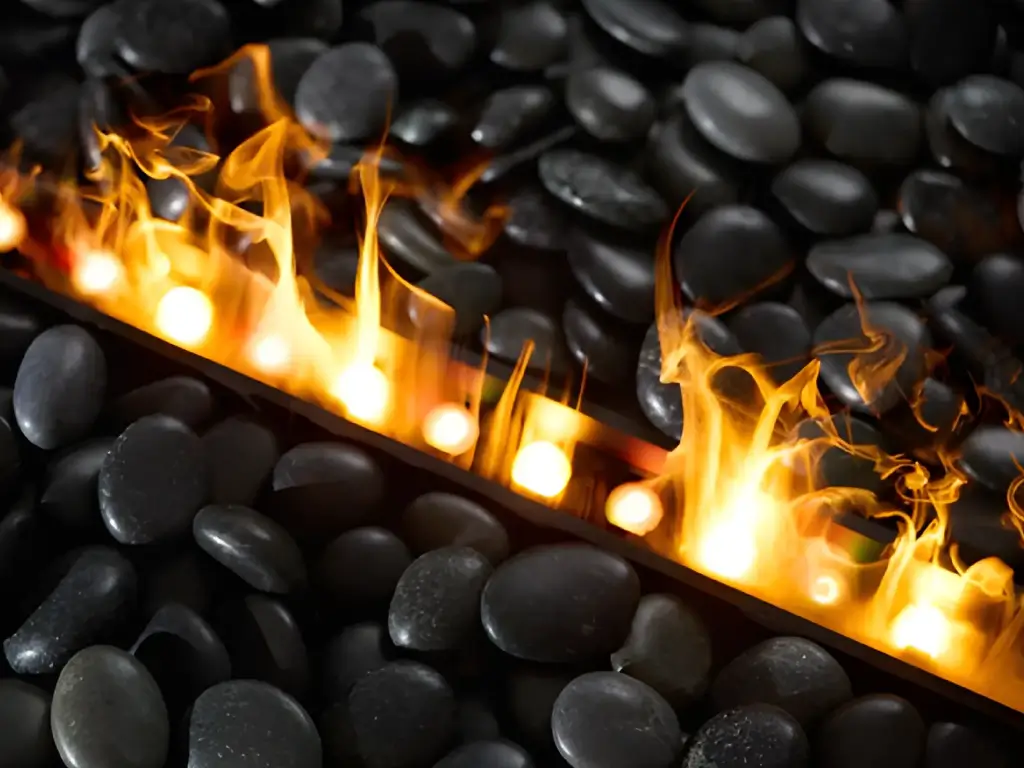
A water vapor fireplace is made to create atmosphere. Instead of making a real flame, it uses water vapor and light to show the movement, color, and depth people expect from fire. This gives you a fireplace focused on ambiance, perfect for places where heat, smoke, combustion, or venting aren’t wanted.
Why does that matter? Because vapor fireplaces don’t work like wood fireplaces or gas fireplaces. And they aren’t meant to replace every traditional fireplace. Instead, they offer designers and homeowners another option for when the look and feel of fire is more important than providing supplemental warmth.
If you want to learn more about how this technology works, check out our article on how vapor fireplaces achieve realism safely. You can also explore Acucraft’s water vapor fireplace technology to see how these flame effects are made without traditional combustion.


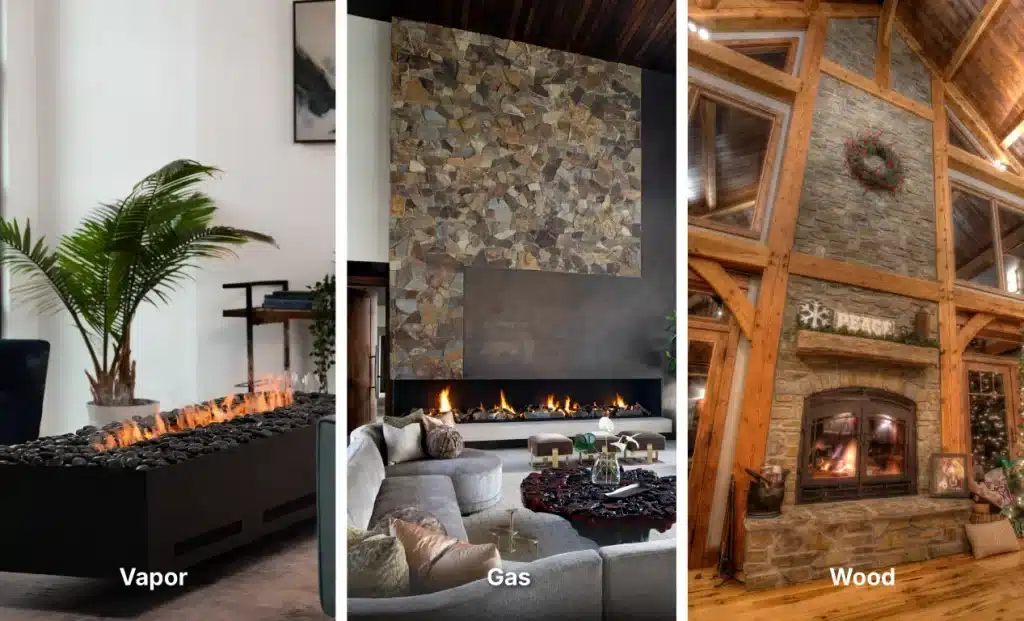
Planning Comparison: Water Vapor, Gas and Wood Fireplaces
Each type of fireplace serves a different purpose. The best option depends on how you want the space to feel, how it should work, and what the project can handle.
| Planning consideration | Water vapor fireplace | Gas fireplace | Wood fireplace |
|---|---|---|---|
| Flame type | Realistic flame effect created with water vapor, light and airflow | Real combustion flame | Real combustion flame |
| Heat output | No heat | Provides radiant and supplemental warmth, not whole-home heating | Provides radiant warmth and the traditional experience of wood fire, but is not intended to heat a home like a wood stove |
| Smoke or emissions | No smoke or combustion emissions | Requires planning for combustion, venting and fuel source | Produces smoke and requires chimney or flue planning |
| Venting | No venting required | Varies by fireplace type and installation | Chimney or flue planning required |
| Fuel source | Water and electricity | Natural gas or propane | Wood |
| Best-fit applications | Ambiance-first spaces, luxury interiors, hospitality, wellness spaces, commercial settings and remodels | Spaces where a real flame, convenience and supplemental warmth are desired | Homes, cabins and retreats where the sensory experience, ambiance and radiant warmth of a traditional wood fire are desired |
If your project calls for realistic flame, visual ambiance and greater placement flexibility, our Water Vapor Fireplace product page is a helpful place to explore whether vapor is the right fit.


Where Vapor Fireplaces Make the Most Sense
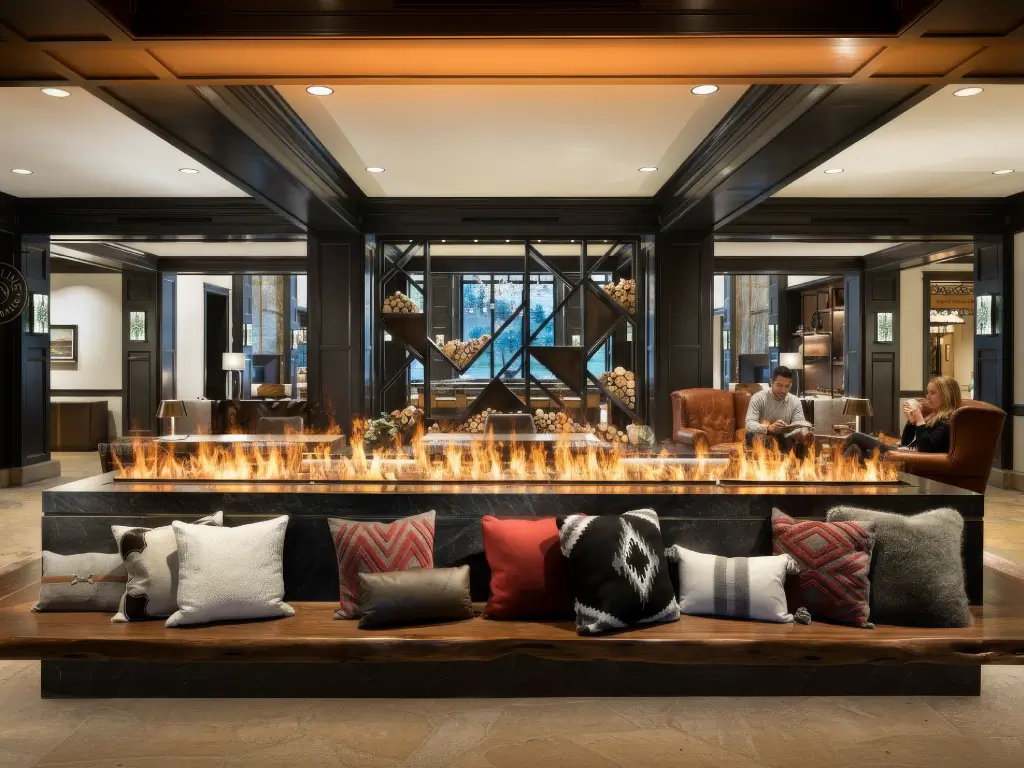
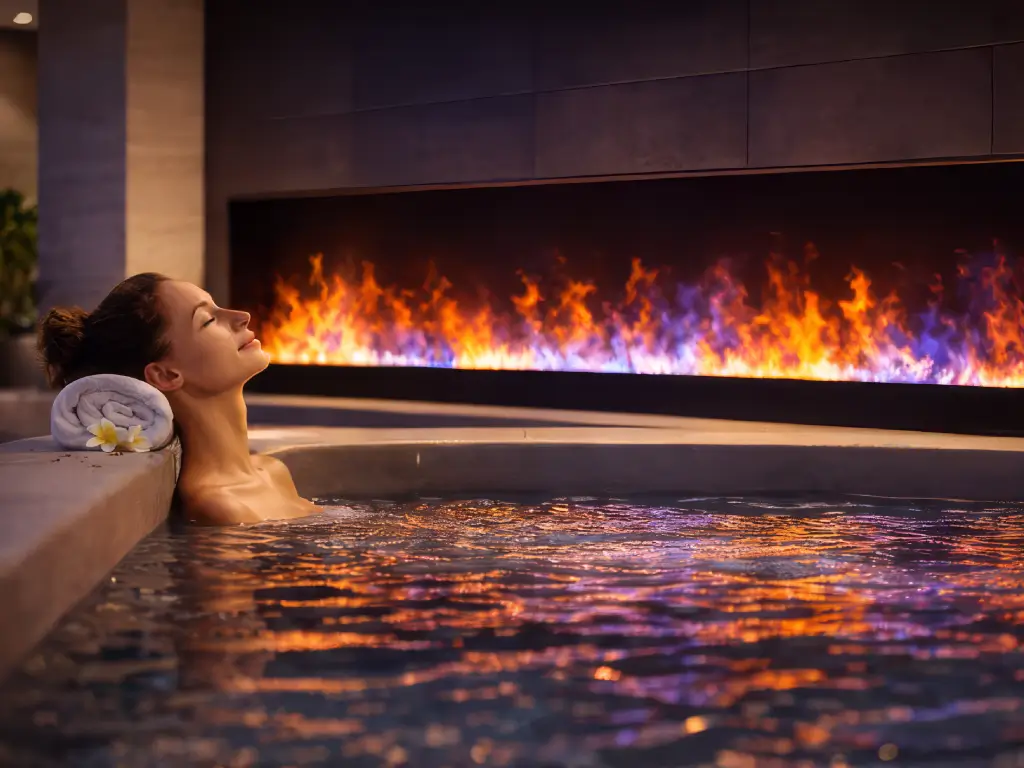
A vapor fireplace works well in areas where you want fire to create ambiance, rather than provide supplemental warmth. This can include high-end living rooms, open entertaining spaces, restaurants, hotel lobbies, spas, showrooms, or anywhere else where comfort, safety and aesthetics are a priority.
Since water vapor fireplaces don’t emit heat, smoke or combustion byproducts, they can also help resolve design issues in areas where a wood or gas burning fireplace may not have been an option. They also create movement and a feeling of warmth in spaces where people congregate, pass through frequently, or spend a lot of time.
This makes vapor fireplaces a great choice for luxury fireplace designs, especially when you want to create atmosphere without changing the room’s temperature. They can help define a room, highlight a feature wall, or shape the feel of a hospitality space. For more ideas, check out Acucraft’s Vapor Fireplace photo gallery or watch the Fireplace Stories video, Indoor Fire Pits and Vapor Fireplaces for Modern Spaces.
Questions to Ask Before You Finalize a Fireplace Plan
Before you specify a fireplace or choose one for your home, start by defining what the space needs from it. The answer may point toward wood, gas, vapor or another modern fireplace option that better fits the project.
Here are a few planning questions to guide your decision:
- Should the fireplace provide supplemental warmth, or is the goal visual ambiance only?
- Will venting, fuel access, clearances or emissions complicate the design?
- Will the fireplace sit near high-traffic areas, seating zones or shared gathering spaces?
- Is the project residential, commercial, hospitality-focused or mixed-use?
- Does the design call for a statement wall, room divider or custom installation?
- What product documentation, specifications or approvals will the project team need?
If you want ambiance, flexibility, and a realistic flame effect without heat, smoke, combustion, or venting, it’s worth looking into a water vapor fireplace early. Our article on The Hidden Components that Create a Realistic Flame offers more detail on what sits behind the visual effect, while our article on The Hidden Wellness Benefits of Vapor Fireplaces explores how vapor can support the comfort and experience of a space.


What This Means for Luxury Fireplace Design
Changing codes and evolving project requirements shouldn’t hinder high-end fireplace design or the vision you have for a custom residential, hospitality or commercial build. Often, they just challenge you to plan smarter and have a more purposeful discussion about what your fireplace needs to achieve.
In some spaces, wood is still the best choice. It gives you the sound, smell, and warmth of real fire, which can be special in dream homes, cabins, and retreats. For others, gas might be better for its mix of supplemental warmth, convenience, and flame.
Vapor fireplaces offer something different. They let architects, designers, builders, and homeowners see fire as atmosphere, movement, and visual storytelling. In the right space, this can be just as powerful as a real fire, especially when the goal is to create a memorable experience without the planning requirements of combustion-based fireplaces.


Key Takeaways: Planning for Fire in a Changing Building Environment
Fireplace planning is becoming more connected to design, performance and project requirements. The earlier teams make those decisions, the more options they can preserve. To help guide those early conversations, here are a few practical tips to keep in mind:- Plan fireplace decisions early, before layout, mechanical systems and finish details are finalized.
- Decide whether the space needs supplemental warmth or an ambiance-focused flame feature.
- Consider vapor when a realistic flame is desired without heat, smoke, combustion or venting.
- Verify project-specific requirements with the appropriate professionals before finalizing plans.
- Use Acucraft’s product resources, galleries and planning content to explore the right fit.


FAQs: Water Vapor Fireplaces and Fireplace Planning
Depending on location, product and installation type, some project requirements may apply.
Although vapor fireplaces eliminate combustion, teams should always refer to product specifications and double-check with appropriate professionals to ensure compliance.
No. Water vapor fireplaces do not produce smoke, combustion exhaust or emissions, so they do not require venting like a wood or gas fireplace.
Water vapor fireplaces produce a realistic flame effect as opposed to an actual combustion flame. By combining vapor, light and airflow, a water vapor fireplace can create the sight (and sound) of fire without heat or combustion.
Since a water vapor fireplace does not provide heat, projects that benefit most from this fireplace type are those where ambiance, visual movement, design flexibility and flame realism are more important than supplemental warmth. Think luxury homes, commercial hospitality, wellness spaces and more.
Absolutely. Since vapor fireplaces can be used in any place where visuals play a key role and warmth is not a necessity, they’re ideal for homes, hospitality spaces (hotels and restaurants), retail spaces (lobbies and showrooms) and more.
Have additional questions about sizes and specs for Acucraft’s Water Vapor Fireplaces? Complete the form below to connect with one of our experts.