

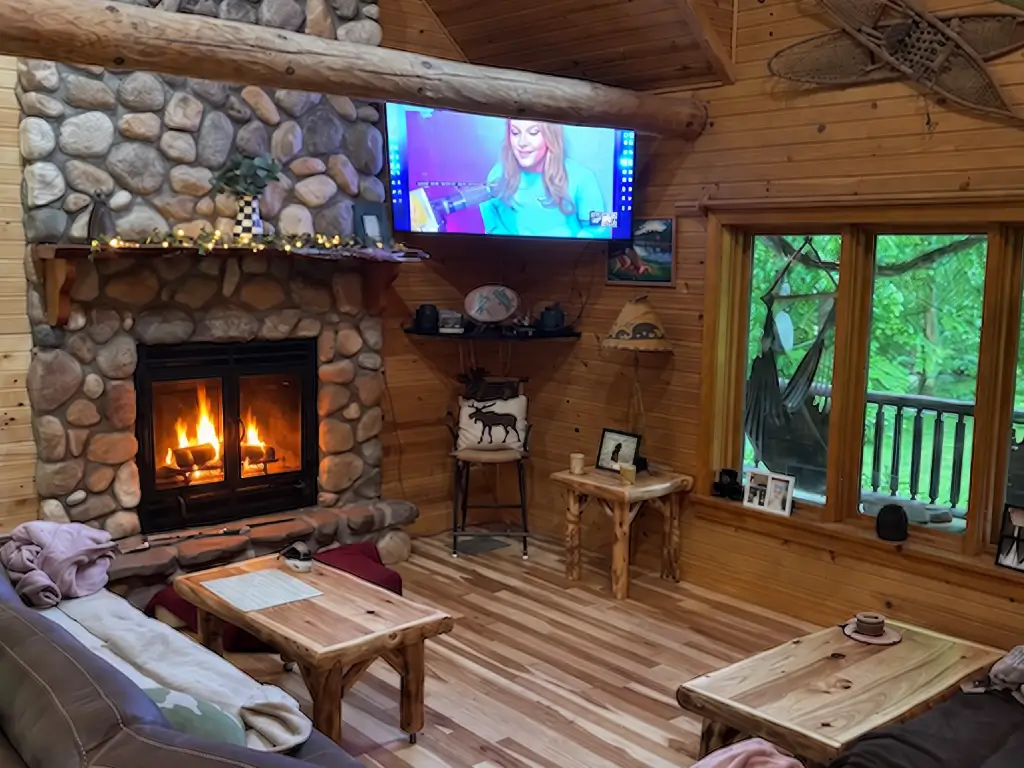
A wood-burning fireplace can set the tone for an entire gathering space, but the best designs begin by thinking about how people will use, see, and enjoy the room.
Start With the Gathering Space, Not the Fireplace
When planning a fireplace for a great room, lodge or retreat home, the room’s purpose should help guide the wood-burning fireplace design. Think about where people will gather, what they’ll see from different parts of the space and the role you want the fireplace to play.
Will the fireplace anchor the main seating area? Should it be visible from the kitchen, dining area or other parts of the great room? Consider whether the space will host large gatherings, quiet weekends or both.
A luxury wood fireplace can become the focal point of the room or blend naturally with views of a lake, mountain or wooded landscape. Including it in the early design plans makes it easier to create the right layout and sightlines.
Acucraft offers wood-burning fireplaces in single-sided, see-through, and indoor-outdoor styles, so you can choose an option that fits your space and the way you want to enjoy the fire.
Match Fireplace Scale to the Room
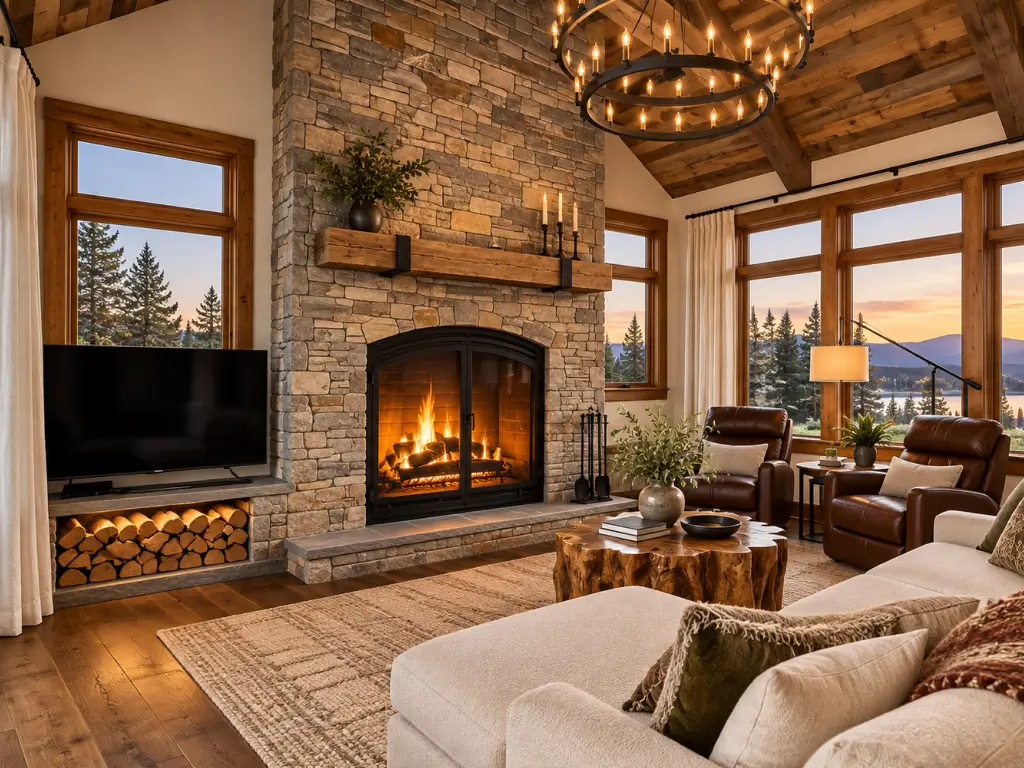
A fireplace that looks impressive in one room might seem small in another. Ceiling height, wall width, how far you sit from the fire, furniture layout, and nearby materials all influence how big a luxury wood fireplace should feel.
This is why scale is so important when designing a wood-burning fireplace, especially in lodges and large great rooms. But the right scale depends on more than square footage. It also depends on how the room is used and what you want the fireplace to do within it. The guide below helps put those differences into context.
| Gathering space | Fireplace role | Design priority |
|---|---|---|
| Large great room | Primary architectural focal point | Scale, viewing area and relationship to ceiling height |
| Lodge | Central gathering hearth | Visual presence, materials and seating orientation |
| Retreat home | Comfortable focal point | Connection to views, room scale and frequency of use |
| Indoor-outdoor gathering area | Shared fireplace experience | Views from both sides, circulation and material transitions |
Bigger isn’t always better. A lodge fireplace may need enough visual presence to balance a tall ceiling or expansive stone wall, while a smaller room may feel better with a fireplace that stays closely connected to the seating area.
Acucraft’s American Collection features a tall 20-by-21-inch viewing area, while The Hearthroom Collection offers 30-, 36-, 44- and 48-inch viewing areas. These options give designers and homeowners different ways to match the fire view to the room’s proportions.
Planning a Fireplace for Lodge-Style Spaces
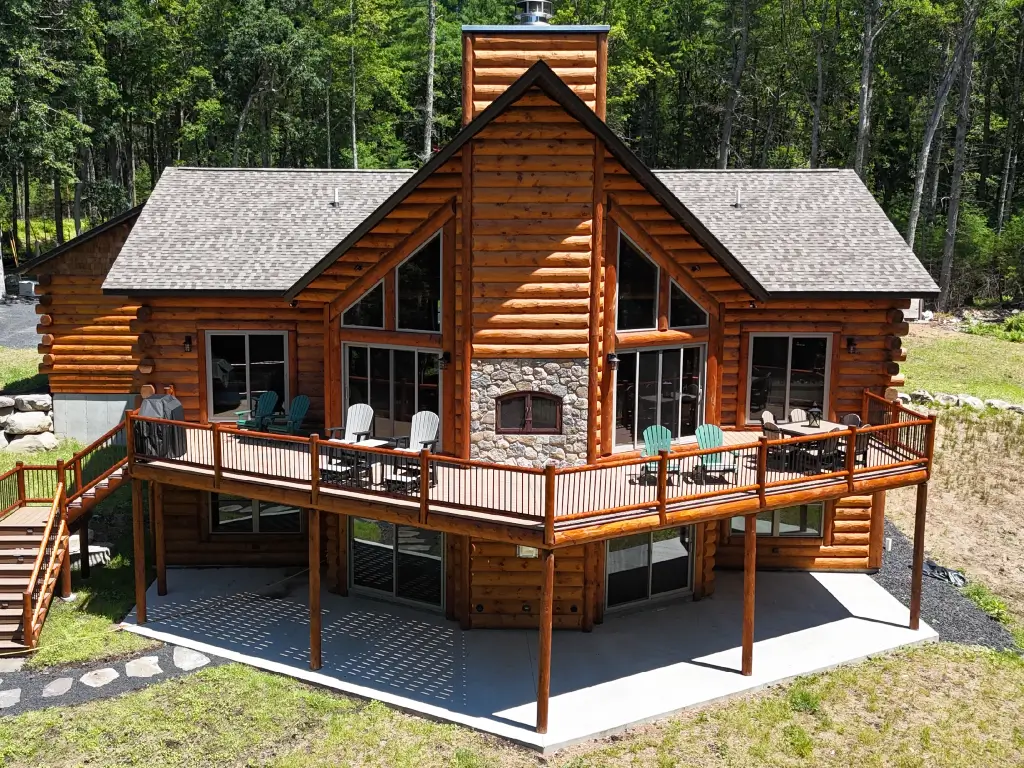
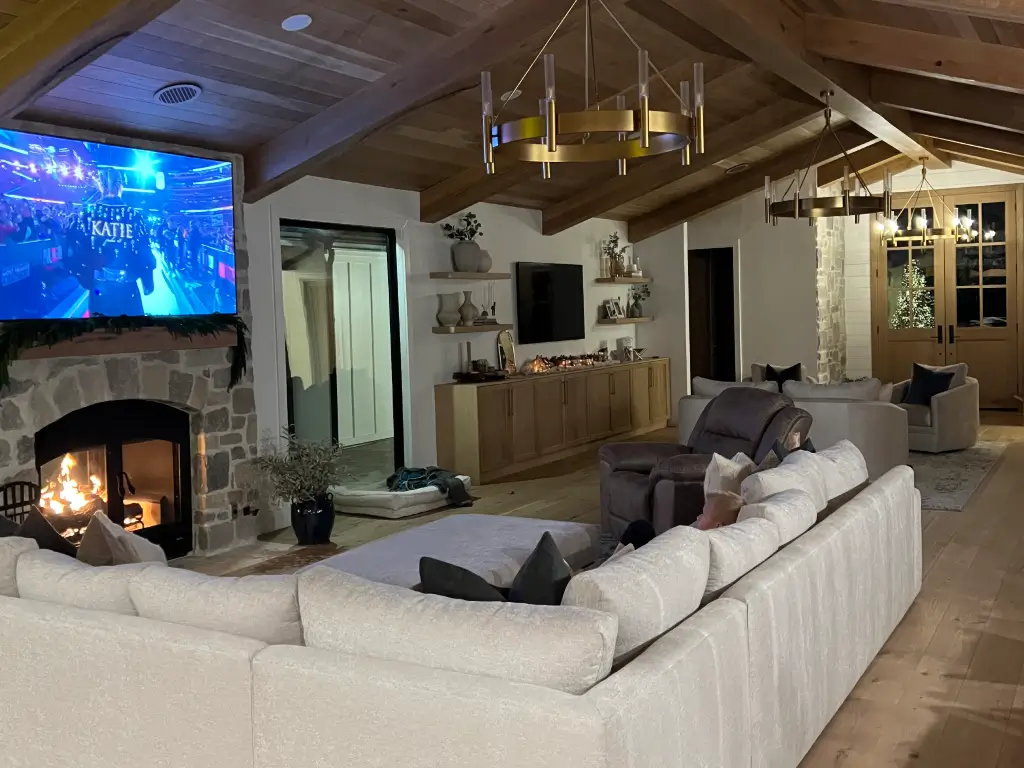
A lodge fireplace often needs to make a stronger visual statement than one in a smaller living room. High ceilings, open floor plans, larger furniture groupings and long sightlines can make a fireplace that looks substantial on paper feel much smaller once it’s installed.
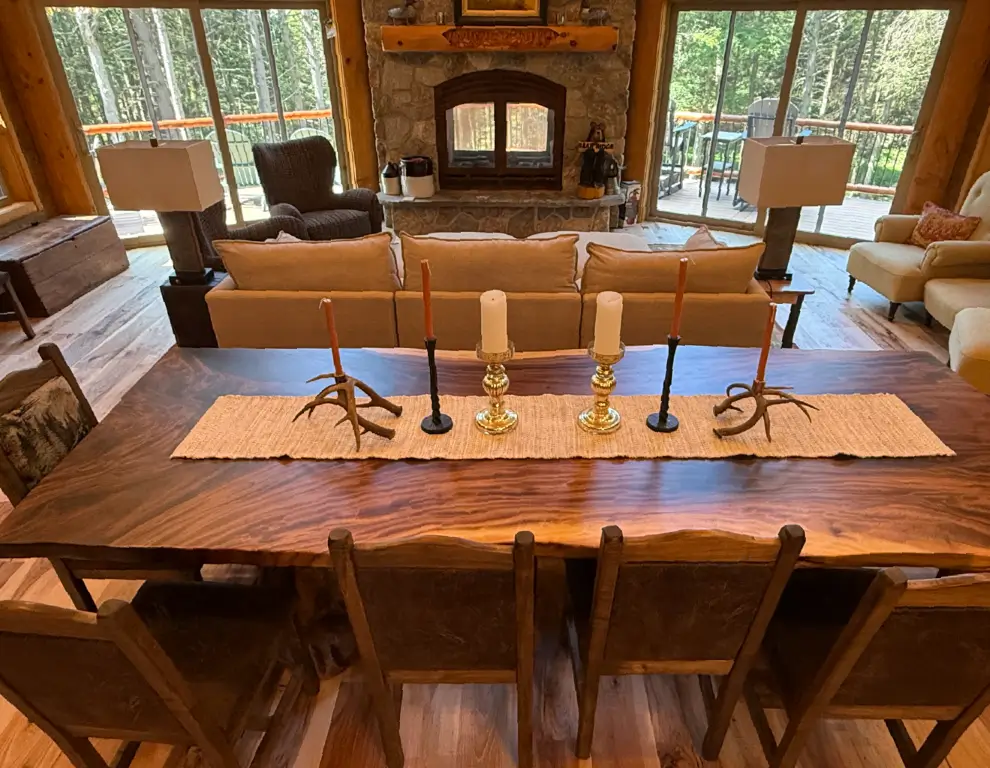 The surrounding materials also affect the overall look. Stone, timber, and steel work well in lodge interiors, but they should support the fire rather than distract from it. Effective wood-burning fireplace design brings the materials, proportions, and viewing area together, so the fireplace feels like part of the architecture.
Sightlines are especially important in a large room. The fire may be viewed from a sofa, dining table, entryway, or another area of the home. A luxury wood fireplace should feel balanced from each of these angles.
For larger lodge-style spaces, the wider viewing areas offered by Acucraft’s Hearthroom wood-burning fireplaces help the flames remain visible from across the room. The collection includes several viewing sizes, along with single-sided, see-through, and indoor-outdoor configurations.
Designing a Retreat Home Fireplace for a Different Kind of Gathering
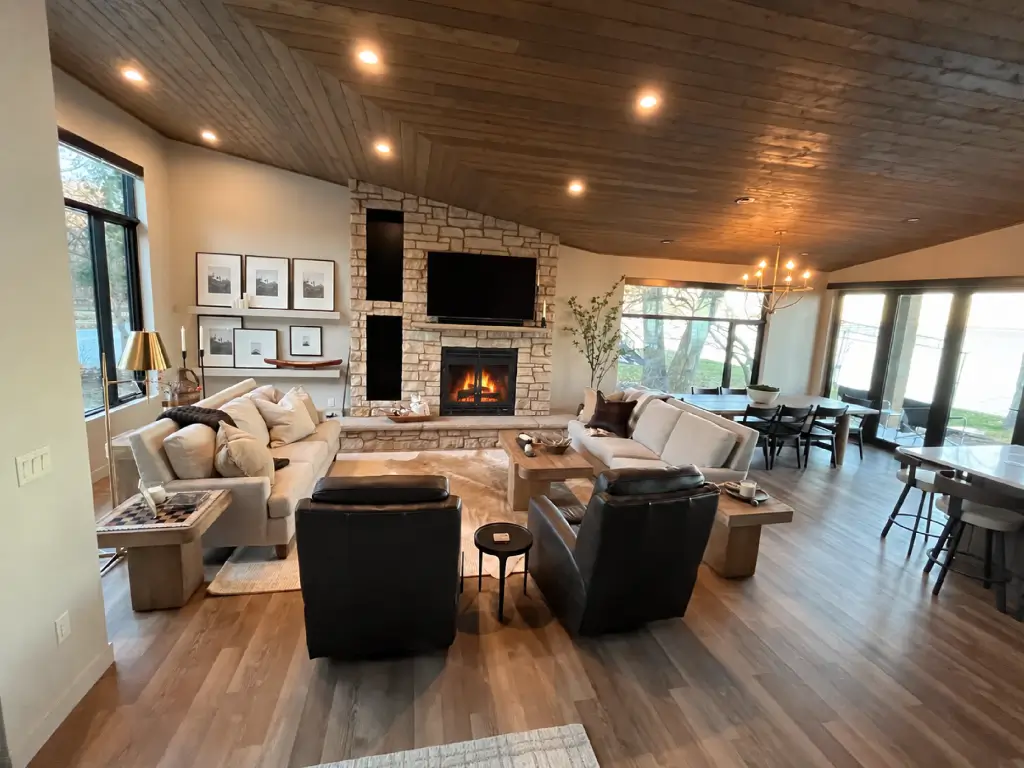
A retreat home fireplace may need a different approach. Lake houses, mountain cabins, and vacation homes often focus on smaller groups, natural views, and a relaxed, comfortable feel instead of a formal one.
In these spaces, the design often starts with the views outside as much as the room itself. The fireplace can anchor a seating area without blocking a favorite view, or it can be placed next to natural materials already used in the home.
A luxury wood fireplace doesn’t need to stand out to make an impact in these spaces. Often, the best retreat home fireplace blends in with the furniture, architecture, and surroundings, creating a comfortable spot to gather without taking over the room.
When the Gathering Space Extends Outdoors
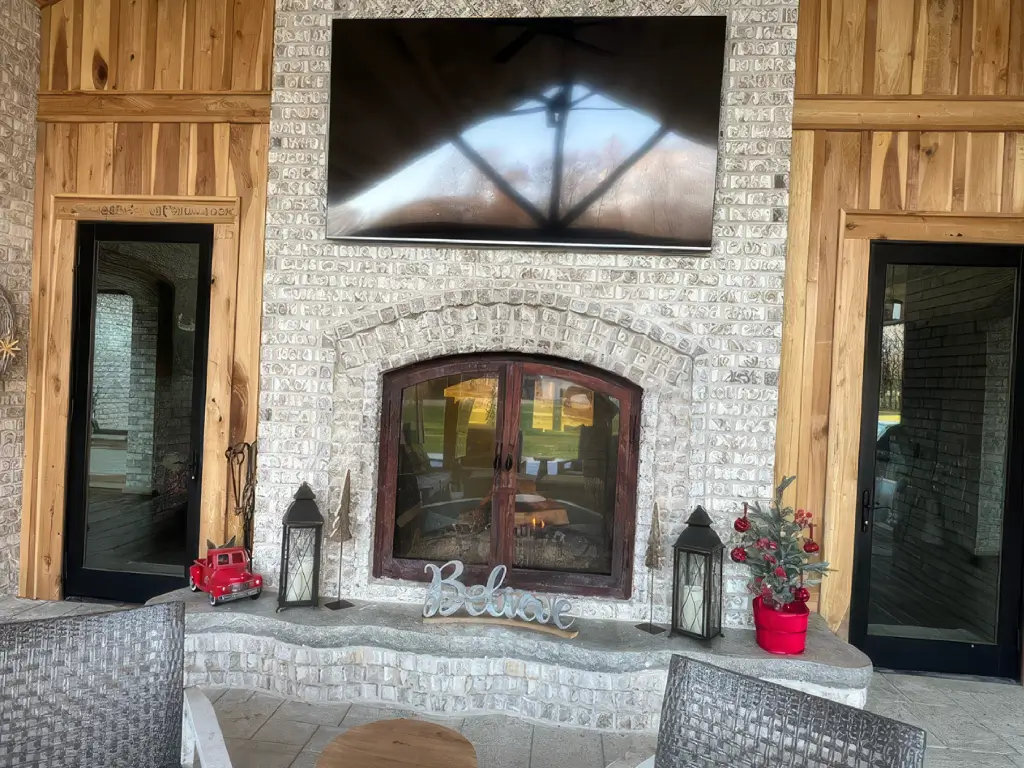
In many lodges and retreat homes, gathering spaces extend beyond the walls. Covered patios, porches, and outdoor lounges often act as extra rooms, especially when the home is built for enjoying the views and spending time outdoors.
An indoor-outdoor fireplace can bring the fire experience to both inside and outside spaces. Acucraft’s indoor-outdoor wood-burning fireplaces feature two-sided openings, doors on both sides, and a design that uses only outside air for combustion.
Designing around this kind of fireplace takes a different approach. Think about where people will sit on each side, which side will get more use, how the fireplace will look from both areas, and how materials will transition from inside to outside.
For a lake house, mountain property or other retreat home fireplace project, a shared fireplace can connect indoor and outdoor spaces without making them look the same. A luxury wood fireplace lets both areas enjoy the fire while keeping their own unique feel.
Let Materials Support the Fireplace, Not Compete With It
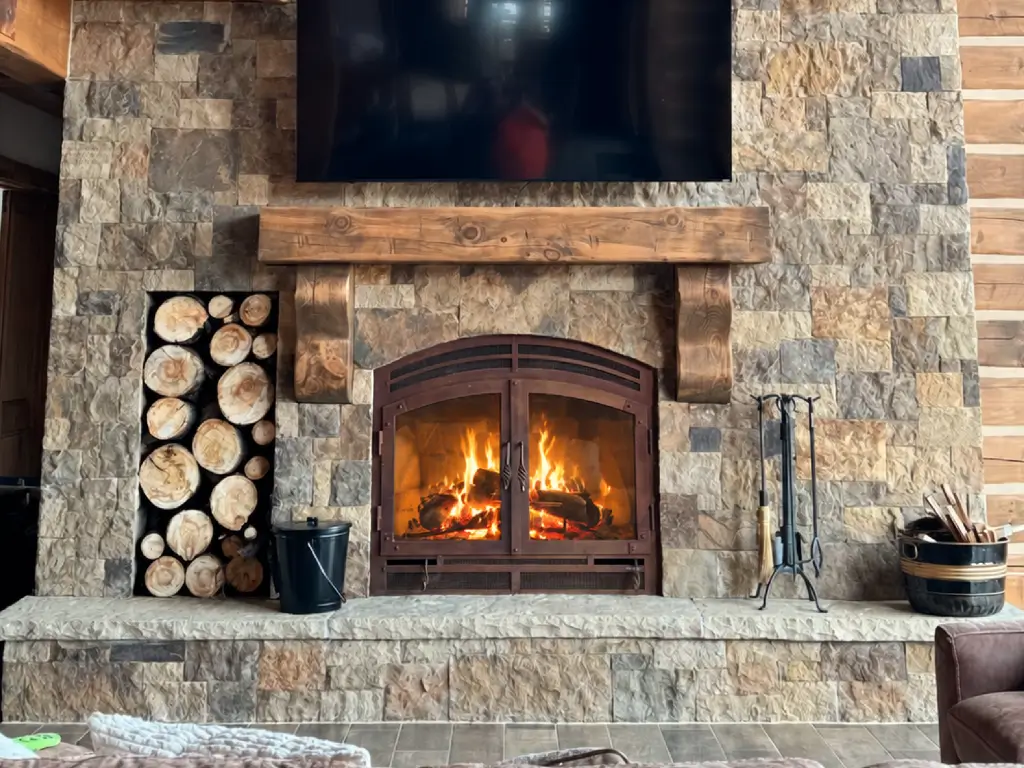
Stone can make a lodge fireplace feel solid and substantial. Steel or plaster can create a cleaner, more contemporary look, while timber can echo materials used elsewhere in the home.
The most cohesive results come from planning these elements together. Wood-burning fireplace design works best when the viewing area, hearth, and surrounding finishes are treated as one complete composition.
For example, you might extend stone higher on a tall wall, coordinate the hearth with the flooring, or leave open space around the fireplace so the flames remain the focus. The materials should frame the fire without competing with it.
What to Work Through Before the Plans Are Final
A wood fireplace impacts more than just the wall it’s on. The size of the room, chimney plans, furniture, materials, how people move through the space, and maintenance all shape the final design.
Before finalizing plans for a lodge, retreat home, or other luxury wood fireplace, consider these questions:
- How large is the room, and what is the ceiling height?
- Where will the primary seating be?
- What views should the fireplace complement rather than interrupt?
- How prominent should the fireplace feel within the room?
- Will it serve one gathering space or connect two?
- What surrounding materials are planned?
- What chimney, venting, combustion-air and clearance requirements need to be coordinated?
- Where will firewood be stored, and how will it be brought into the room?
- How will the homeowner access the fireplace for regular use and maintenance?
- How often does the homeowner expect to build a fire?
These questions make the planning process easier, not more complicated. Addressing them early gives the design team time to create a luxury wood fireplace that fits the room, supports everyday use, and feels natural within the home.
Finding Inspiration in Finished Spaces
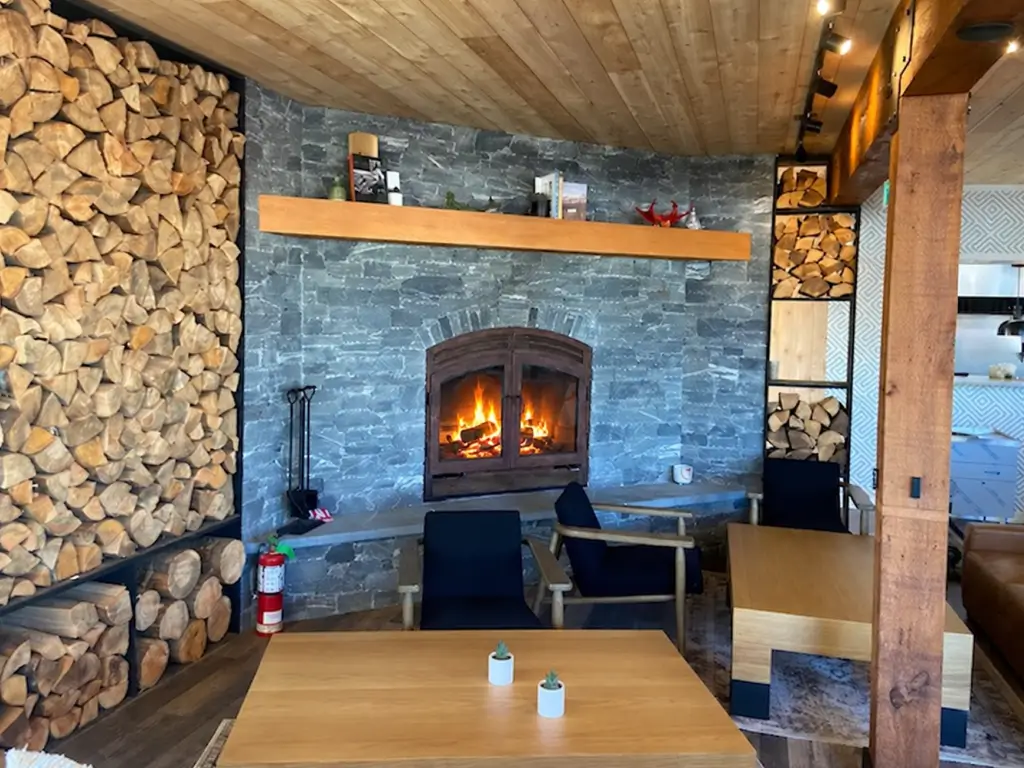
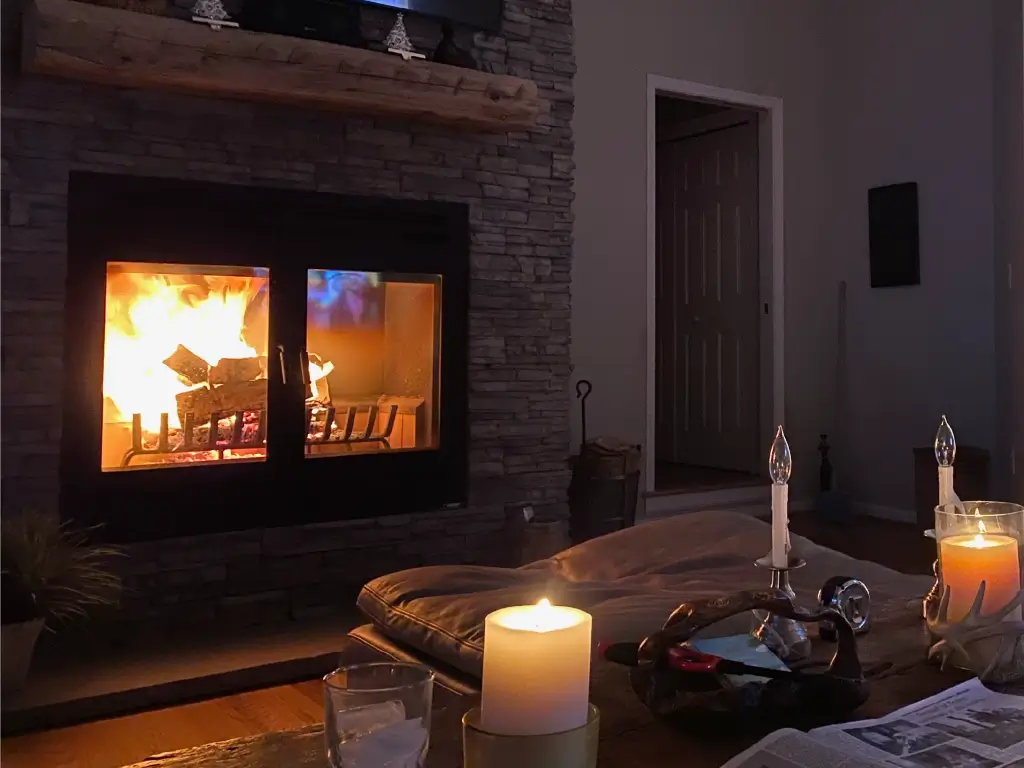
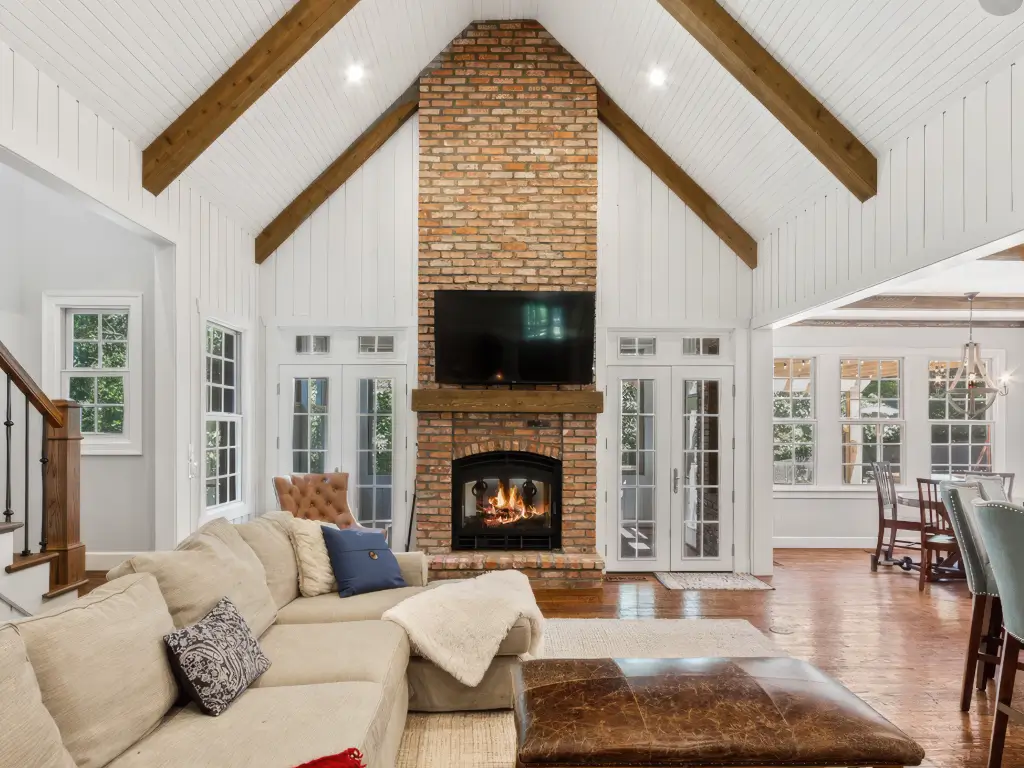
Drawings and measurements are helpful, but looking at finished projects can make fireplace design easier to picture. Photos show how the fireplace fits with the wall, how materials come together, and how seating works in a real room.
For design ideas, check out our wood-burning fireplace galleries:
Together, these galleries offer helpful examples for lodge, retreat home, or luxury wood fireplaces in many different styles of homes.
You can also watch The American Wood Burning Fireplace by Acucraft or The Hearthroom Wood Fireplace Collection for Indoor & Outdoor Living | Fireplace Stories with Chris Maxson to see how different wood fireplace configurations can work within finished spaces.
Questions to Guide Your Wood Fireplace Plan
There’s no standard size that works for every room. Good wood-burning fireplace design considers the ceiling height, wall width, seating distance, furniture arrangement, and the amount of visual impact you want.
A luxury wood fireplace in a two-story great room may need a larger viewing area than one in a smaller, more intimate space. Acucraft offers multiple viewing sizes in its American and Hearthroom collections, making it easier to choose a fireplace that suits the room.
A lodge fireplace should be large enough to feel balanced within a spacious room and its long sightlines. Placement, furniture, and surrounding materials also help determine how naturally the fire fits into the design.
A retreat home fireplace may require a different approach. Outdoor views, smaller gathering areas, and the character of the property can all influence the design, helping the fireplace make an impression without overwhelming the room.
Yes. An indoor-outdoor wood fireplace lets you experience the fire from inside and outside the home.
This arrangement works well when a retreat home’s great room opens to a covered patio or outdoor lounge. The key is to plan both sides together, so the outdoor space feels like part of the design rather than an afterthought.
Designing the Fireplace Around the Space
The best wood-burning fireplace designs begin with the room and the people who will use it. Whether you’re planning a lodge, retreat home, or another gathering space, these ideas can help guide the project:
- Start by considering how people will gather and use the room.
- Match the fireplace size and viewing area to the space’s proportions.
- Let the architecture and surrounding materials shape the design.
- Plan a lodge fireplace, retreat home fireplace, or indoor-outdoor fireplace around the way that space will function.
- Coordinate the placement, chimney requirements, materials, seating, and access while the plans are still flexible.
A luxury wood fireplace should feel like a natural part of the room rather than a later addition. When the size, materials, views, and gathering areas work together, the fireplace can become one of the home’s most inviting features.
Ready to begin? Complete the form below to connect with an Acucraft wood-burning fireplace expert.