
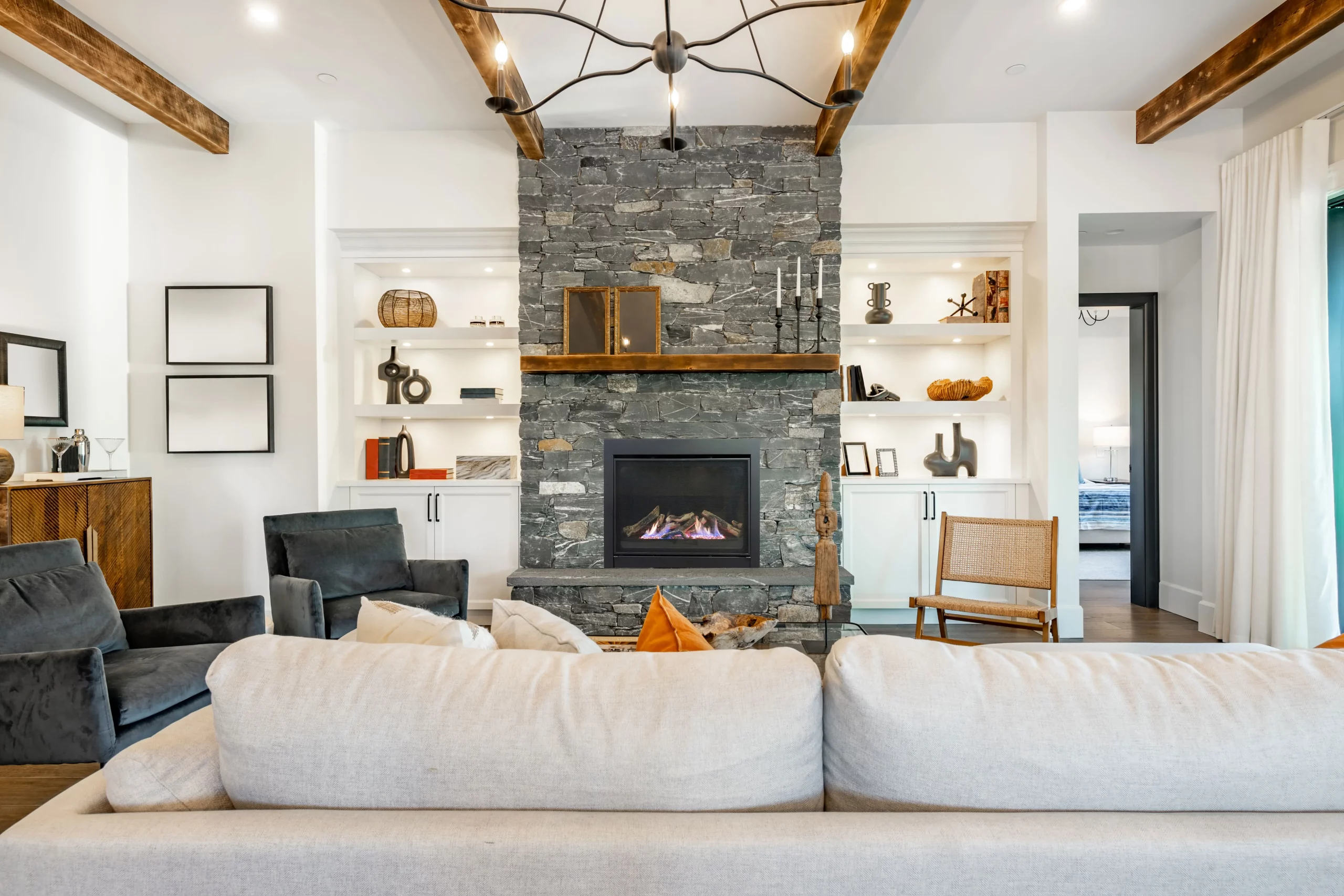
Direct vent fireplaces are becoming a popular choice for homeowners who want a low-maintenance, sealed fireplace with design flexibility. This guide explains exactly how they work, how they differ from traditional fireplaces, and why they might be a great fit for your home.
What Makes a Fireplace “Direct Vent”?
Direct vent fireplaces are sealed systems that draw air from outside the home for combustion and expel exhaust outside, keeping indoor air untouched.Sealed Combustion Explained
These fireplaces operate using sealed combustion; they don’t use any air from inside your living space. This feature makes them ideal for well-insulated, modern homes.Dual Airflow Channels
Each unit has two vent pipes (or a coaxial pipe system) that serve two roles:- Air Intake: Pulls oxygen-rich air from outdoors.
- Exhaust Outlet: Pushes combustion by-products (like CO₂) safely outside.
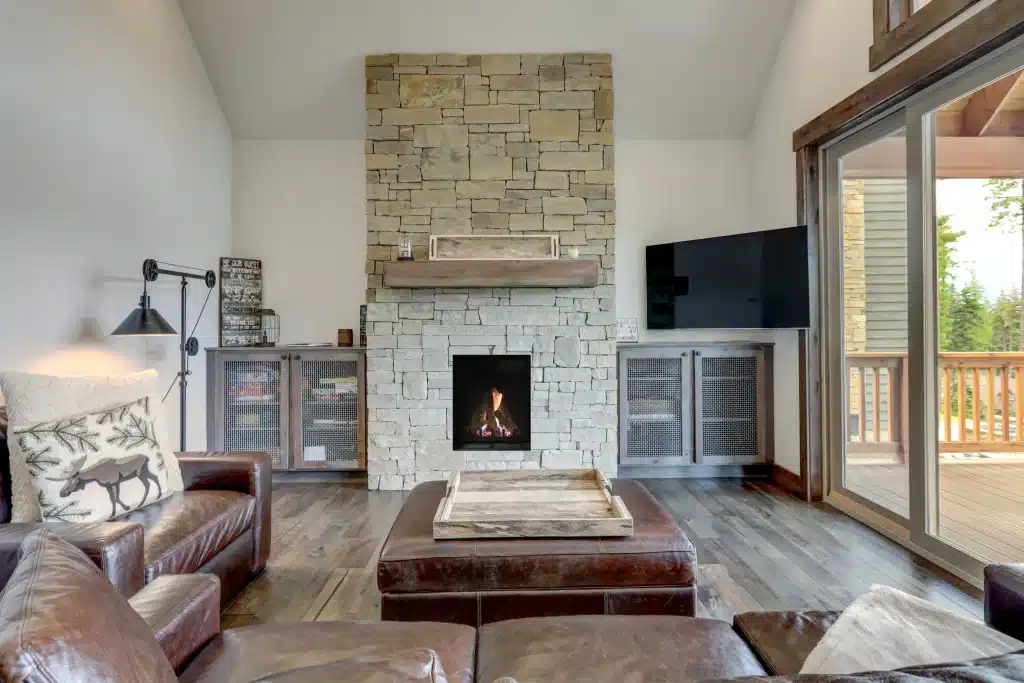
Core Components of a Direct Vent Fireplace
Understanding the anatomy of a direct vent fireplace can help you better plan for your installation or remodel.Exterior Air Inlet
A pipe or vent draws in air from outside to feed the fire, ensuring sealed combustion.Exhaust Vent Pipe
The second vent pipe expels all combustion gases. This design eliminates the need for a traditional chimney.Glass-Sealed Firebox
The firebox is sealed behind heat-resistant glass, providing a clear view of the flames without letting any indoor air interact with the fire.Why Sealed Systems Matter for Indoor Air Quality
One of the biggest benefits of a direct vent fireplace is that it maintains your home’s air quality.No Use of Indoor Combustion Air
Since no indoor air is used for combustion, there’s no risk of introducing exhaust gases into your home.Better Air Separation
Homes with allergies, pets, or asthma concerns may benefit from the improved air separation that direct vent systems offer.Installation Requirements and Venting Paths
Direct vent fireplaces offer flexibility in where they can be installed on any floor or room of your home.Horizontal vs. Vertical Options
You can vent your fireplace horizontally through an exterior wall or vertically through the roof, depending on your layout.Wall Through vs. Roof Through
Wall-through installations are more common for main floor living areas, while roof-through vents work well for multi-story placements.
What You Should Know About Maintenance & Safety
Direct vent fireplaces require less maintenance than wood-burning units.Minimal Servicing Needs
With no chimney, soot, or ash buildup, you’ll spend less time cleaning and maintaining the unit.Third-Party Certifications
All Acucraft fireplaces including our new Direct Vent Fireplaces are rigorously tested and certified by independent safety labs.How Acucraft Direct Vent Models Are Engineered
Acucraft’s direct vent fireplaces are designed with homeowners, builders, and architects in mind.Glass, Media & Accessory Choices
Choose from our wide range of decorative media including:- Fire glass
- Rocks and stones
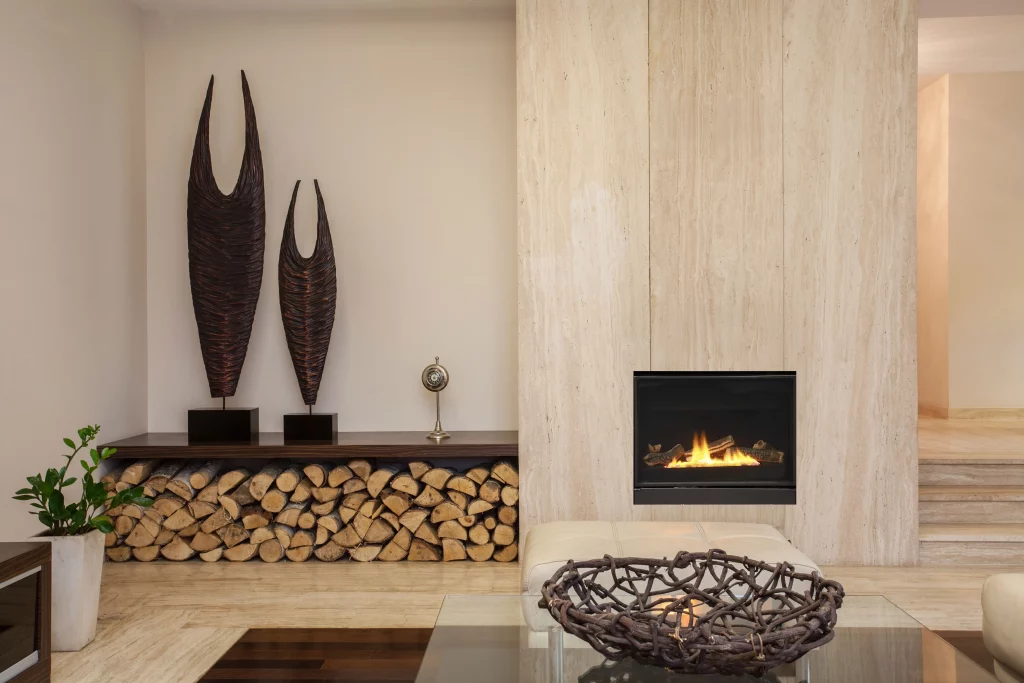
- Log sets (weathered oak, birch, driftwood)
Frequently Asked Questions
Do direct vent fireplaces require a chimney?
No. Direct vent units use their own dedicated vent pipes, so you don’t need a traditional masonry chimney.Where should direct vent units be located?
Almost anywhere living rooms, basements, bedrooms, or even sunrooms.Can I install one in an upstairs room?
Yes. With vertical venting options, direct vent fireplaces can be installed on upper floors.What fuel types are supported?
Acucraft’s direct vent fireplaces are gas-powered (Natural gas or Propane) only.
Key Takeaway for Homeowners
Direct vent fireplaces are a smart, safe, and flexible choice for homeowners who want a sealed, low-maintenance fireplace with design options. Whether you’re planning new construction or upgrading your existing home, Acucraft’s Direct Vent Fireplaces offer superior engineering and design customization.For even more design inspiration, explore Acucraft Gas Fireplaces