
Skip to main content Scroll Top

Open vs. Sealed Linear Gas Fireplaces: How the Viewing Experience Changes the Room

The flame may look similar, but how you experience it can change the room’s overall ambiance.

Picture a long line of flame running across a wall. In one design, glass creates a clear boundary between the fire and the room. In another similar scenario, a fire screen takes the place of glass, leaving the flame visually open to the space around it.

Both styles deliver the striking look of a modern linear fireplace. But an open gas fireplace and a sealed gas fireplace create different viewing experiences. That difference can affect how the fireplace relates to the architecture, where people choose to sit, and how the room feels when the fire is on.

Choosing a linear gas fireplace involves more than selecting a size or wall location. It also means deciding how you want to see the flame and how you want it to relate to the people and furnishings around it.

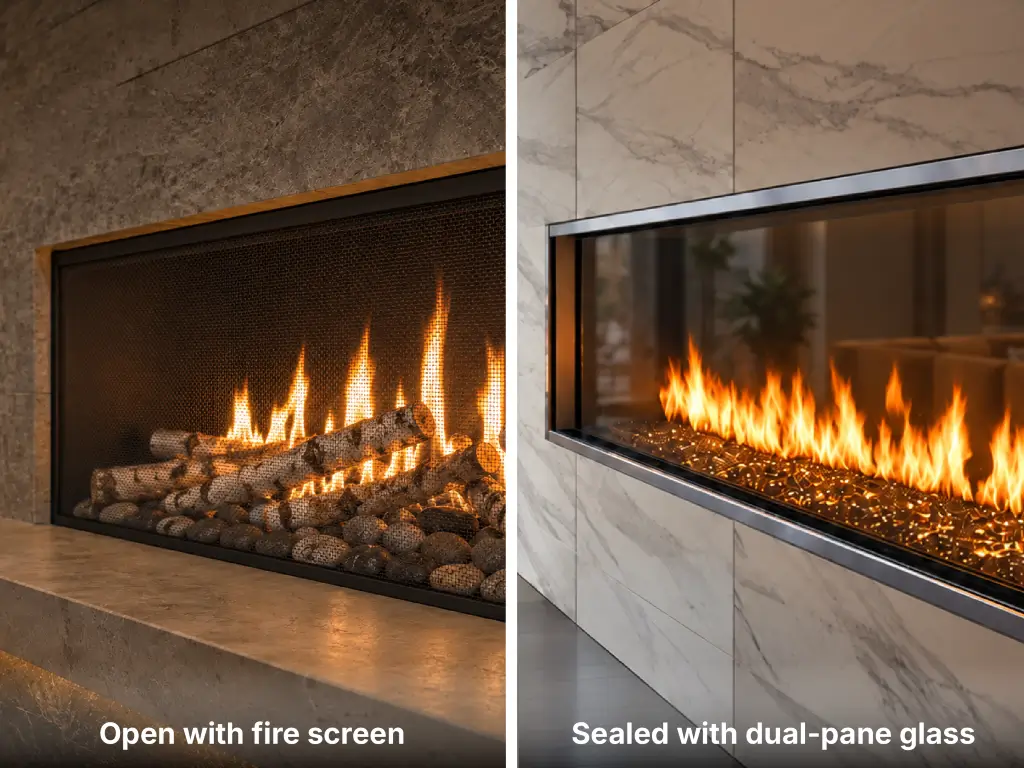
Side-by-side comparison of a screened open fireplace and a sealed linear fireplace with dual-pane glass.

What Changes When a Fireplace Is Open or Sealed?

“Open” and “sealed” may sound like simple product labels. With a linear fireplace, though, the viewing area changes how the fire reads from across the room.

Acucraft’s Blaze Gas Fireplaces use patent-pending dual-pane glass cooling and safe-to-touch glass to create a sealed viewing experience. Blaze Open Gas Fireplaces use a fire screen instead of a glass barrier, offering an unobstructed view of the flame.

That difference shapes the fireplace’s presence in the room. A sealed gas fireplace gives the fire a defined edge. An open design can make the flame feel more visually connected to the surrounding space.

Neither approach is automatically better. The right fit depends on the room, the people who use it, and the kind of relationship you want between the fire and the rest of the design.

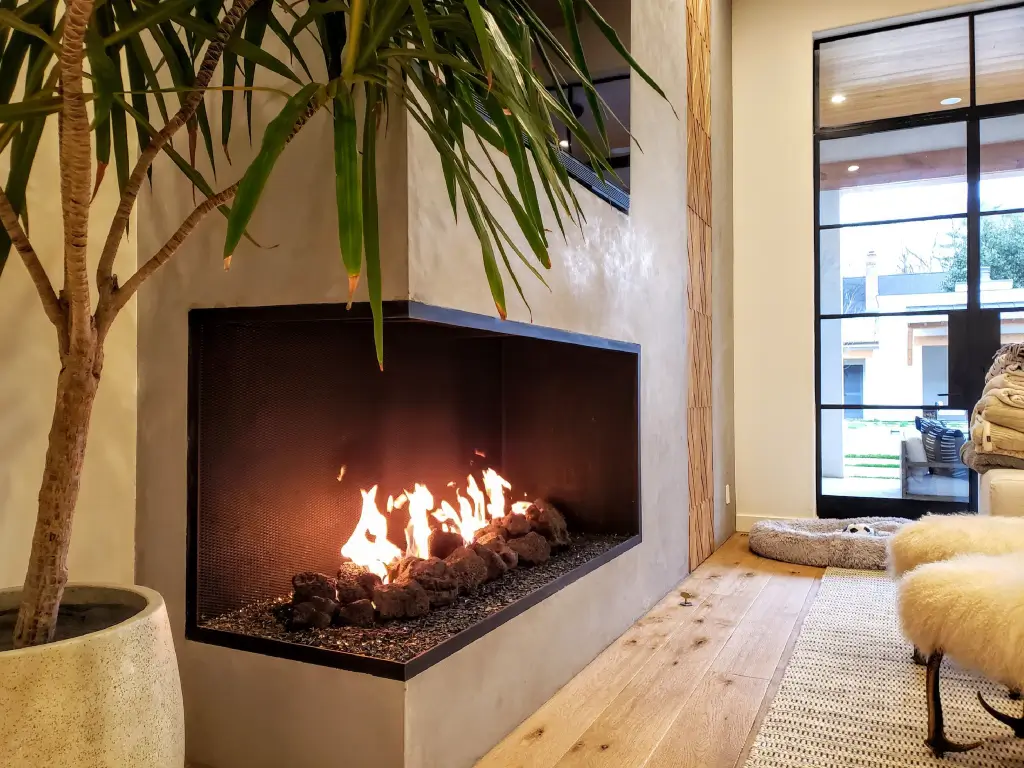
Flames and logs in an Acucraft custom open gas fireplace that wraps around the corner of a plaster wall.

Open: When the Flame Feels More Present

Without a full glass enclosure, an open gas fireplace gives the flame an unobstructed appearance. You can see its movement and depth without looking through a pane of glass. The fire may feel closer to the seating area, even when the fireplace is built into the wall.

That sense of openness can influence how people gather. In a great room, hotel lounge, or open-plan living area, the fire can become part of the visual conversation between people seated nearby. It still serves as a focal point, but it may feel less separated from the room.

The Blaze Open Collection is designed around this experience. It uses a fire screen instead of a glass barrier, and the collection offers more than 100 models and eight viewing styles. That range gives homeowners, architects, and designers different ways to incorporate an open gas fireplace into a project.

Open viewing can also work with contemporary architecture. A modern linear fireplace does not need a glass front to look clean and intentional. The overall effect depends on the proportions, surrounding materials, and how the fireplace fits into the wall.

If you’re considering an open design, watch “The Quietest Open Gas Fireplace We’ve Ever Built” for a closer look at Blaze Open and the collection’s design approach.

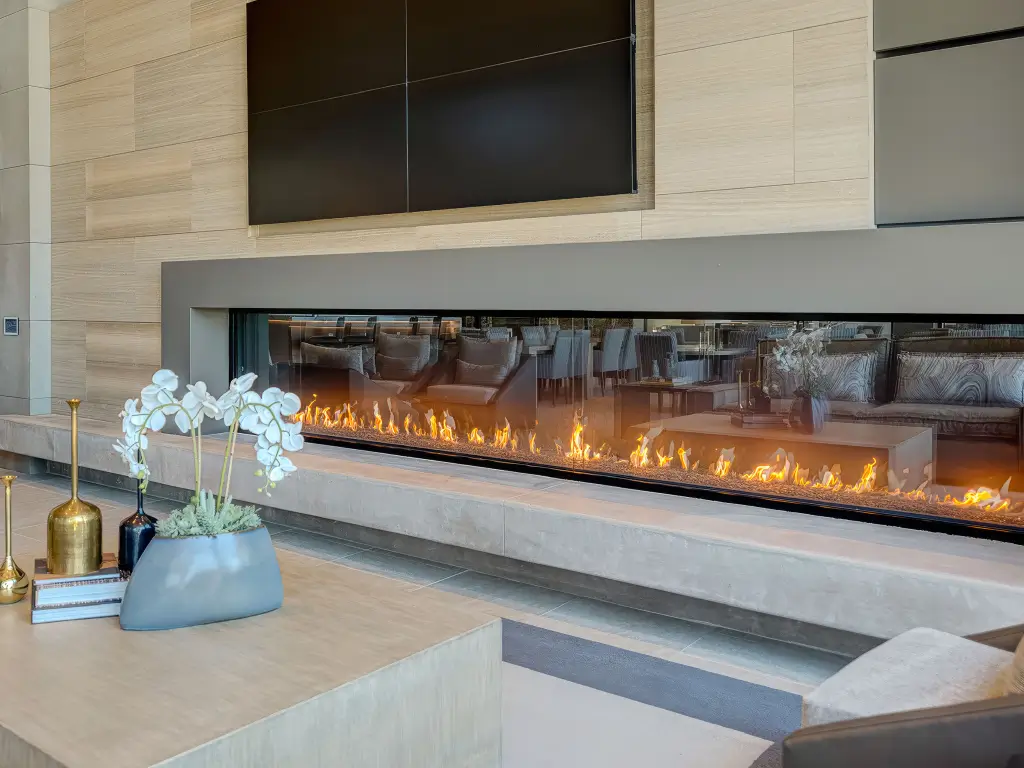
A long row of flames behind glass in a tall Acucraft Blaze 16 linear fireplace below a television.

Sealed: When the Flame Feels Framed

A sealed gas fireplace gives the flame a clear visual boundary. The fire remains visible and lively, while the glass defines its place within the room.

That framing can suit a linear fireplace integrated into a precise architectural composition. Stone, plaster, steel, tile, or millwork can surround the opening. The glass helps the flame read as part of that composition, whether the surrounding finish is understated or bold.

In a modern linear fireplace design, the result can feel crisp without making the fire seem unimportant. The flame remains a focal point, but it is visually contained within the fireplace opening. That can help the fire sit comfortably within a carefully aligned wall or a larger arrangement of built-in features.

Explore Blaze Gas Fireplaces to see how different sizes and configurations can bring a sealed viewing experience to a range of spaces.

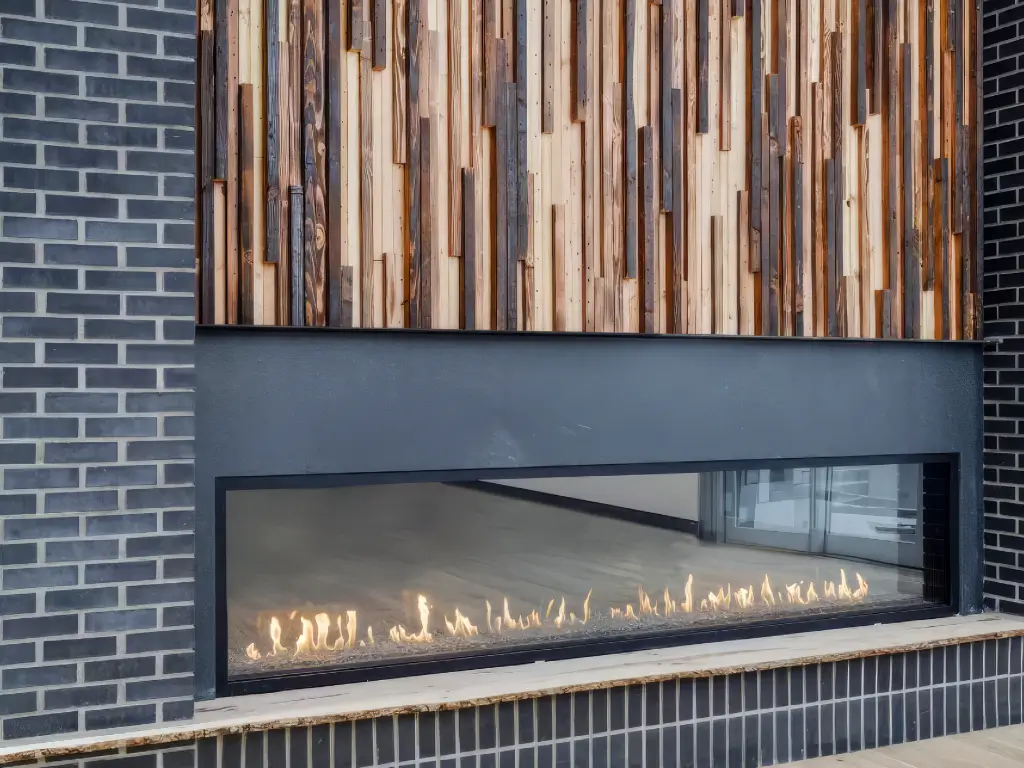
Close view of a Blaze 10 single-sided gas fireplace framed by dark brick and vertical wood slats.

How Can You Tell Which View Suits the Room?

It’s easier to understand the difference by imagining the finished room rather than comparing product descriptions alone. Step back and picture the fireplace from the main entrance, the sofa, and the other places where people are likely to spend time.
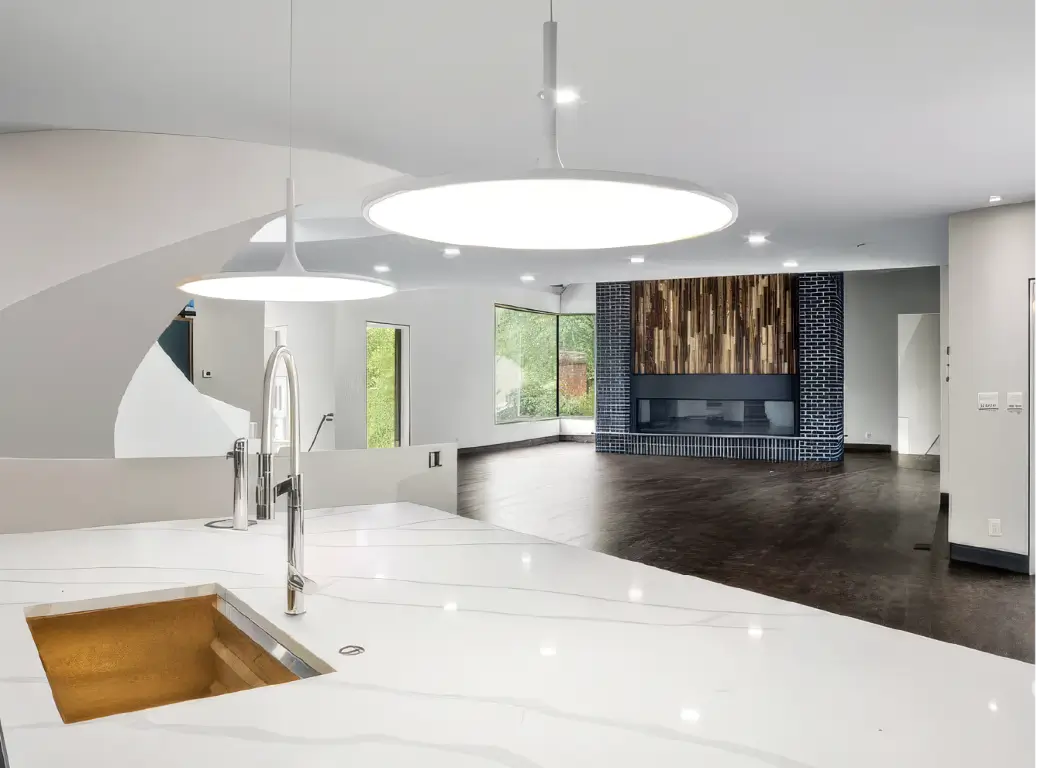
View across a white kitchen island toward a Blaze 10 linear fireplace on the opposite wall.

Ask yourself: does the fire feel like an open part of the room, or do you prefer a distinct opening framed by the wall? There’s no single answer. The useful question is which view feels right from the places that matter most.

Furniture placement can help clarify the choice. Seating arranged around a fireplace may make an open flame feel closely connected to conversation. A sealed fireplace can create a strong focal point on a large wall, especially when its proportions align with nearby windows, shelving, or other architectural features.

Sightlines matter, too. Consider what someone sees when entering the room, sitting across from the fireplace, or walking through an adjoining space. A fireplace that looks striking from the sofa may appear differently from the hallway. Those everyday views shape the design decision.

The surrounding materials also play a role. Stone can give either style a substantial, grounded presence. Plaster may create a quieter backdrop, while steel or tile can add contrast and definition. Rather than matching one finish to one viewing style, look at how the flame, the opening, and the surrounding architecture work together.

Finished-room photos can make these relationships easier to assess. Compare the Blaze Gas Fireplace Photo Gallery with the Blaze Open Gas Fireplace Photo Gallery. Notice the furniture, sightlines, materials, and the way each flame fits into its setting.
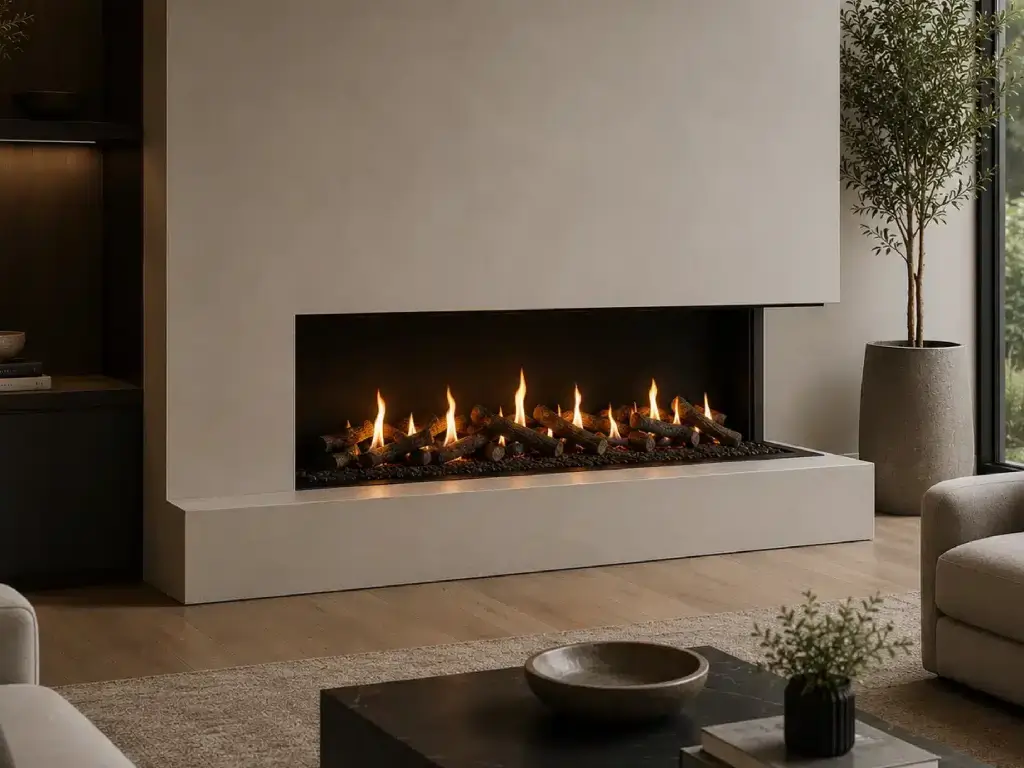
A Blaze Open gas fireplace with a log fire set in a simple, pale surround beside a window.

What Should You Consider About Safety and Everyday Use?

Safety belongs in any conversation about an open gas fireplace or a sealed gas fireplace. The two designs have different viewing configurations, so consider how the fireplace will fit with how people move through and use the room.
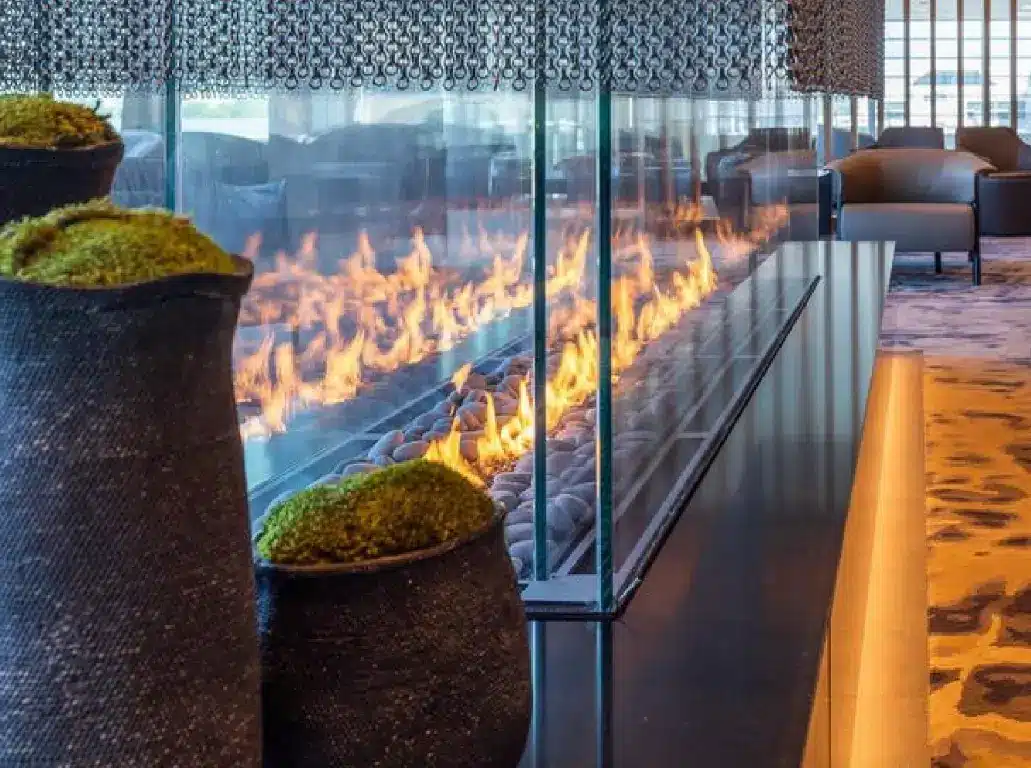
A custom four-sided Blaze gas fireplace with glass panels and a line of flames in a lounge.

Blaze Open uses a fire screen instead of glass, while sealed Blaze fireplaces put the flame behind Acucraft’s dual-pane glass cooling system with safe-to-touch glass. These differences matter when choosing your linear gas fireplace design.

Consider how people will move through the room. Where will you put the seating? Will children or pets spend time in the room? Is the fireplace beside a main walkway, or in a spot where people are more likely to sit and gather? Where will chairs, tables, and other furnishings go in relation to the fireplace?

These questions help homeowners and project teams picture daily use, not just the finished photograph. They can also help architects, designers, and custom homebuilders coordinate the fireplace with the room’s circulation and seating plan.

The goal is to choose a linear gas fireplace that suits the space and the people who will use it. Talk through the intended layout and the manufacturer’s guidance as part of the planning process.
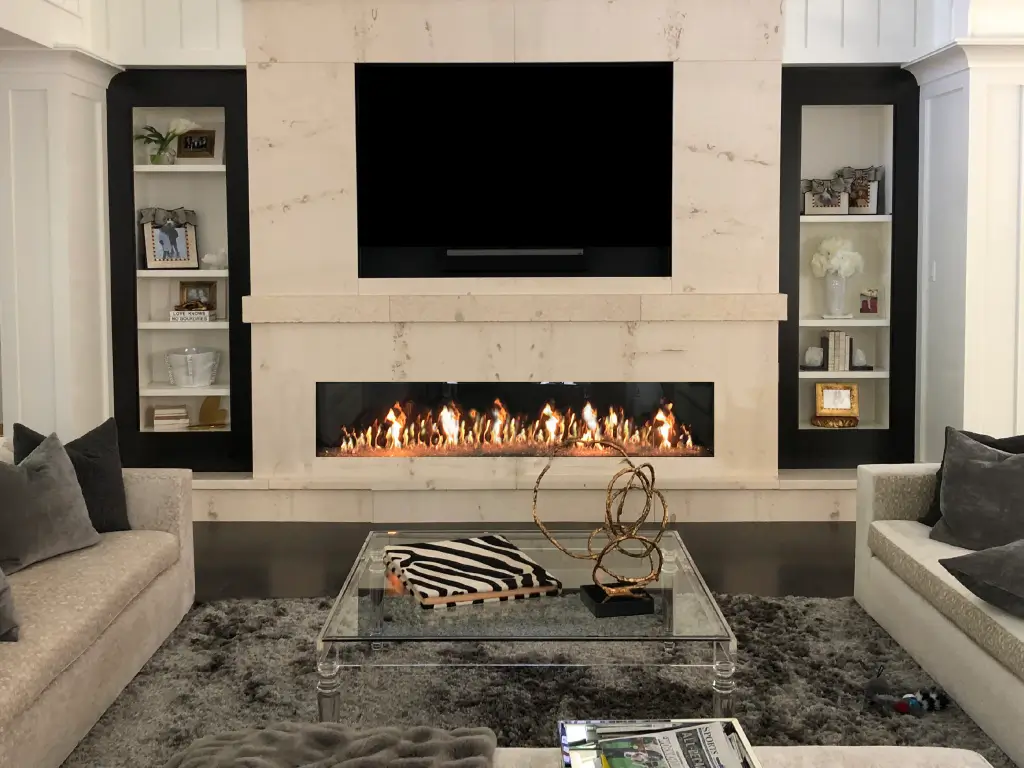
An eight-foot Signature Series linear fireplace beneath a television, flanked by recessed shelves.

Can One Fireplace Offer Both Viewing Experiences?

Blaze and Blaze Open offer dedicated sealed and open fireplace options. Acucraft’s Signature Series Linear Gas Fireplaces provide another option for projects where flexibility matters: the Signature Series can be configured for open or sealed viewing using conversion kits.

That flexibility may appeal to homeowners who like the defined look of glass but want the option to change the setup later. A room’s purpose can shift over time. Furniture may move, or a renovation may change how the fireplace relates to the rest of the space.

The value is having a choice available if your preferences change. You may never switch configurations, but knowing the option exists can be useful when you’re planning a long-term feature for your home.

For other projects, a dedicated Blaze or Blaze Open model may be the clearest fit. Start by considering how you want to experience the fire, then explore the models and configurations that support that vision.

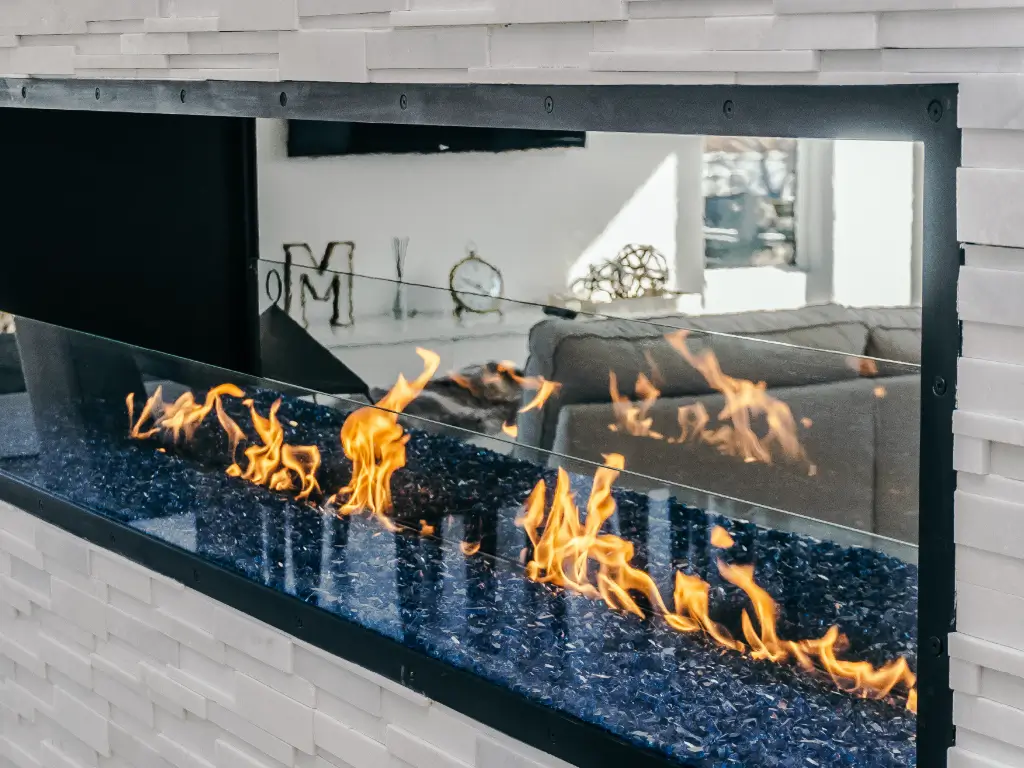
Flames rise above blue fire glass in a see-through gas fireplace with a partial glass panel.

Choose the Relationship You Want With the Fire

An open gas fireplace offers an unobstructed view that can make the flame feel more present in the room. A sealed gas fireplace frames the fire behind glass while preserving the long, striking look of a modern linear fireplace.

The right choice depends on how you want the linear fireplace to work with the architecture, where people will gather, and what you want to see from the room’s main viewpoints. Before settling on a design, picture yourself in the finished space. How should the fire feel when you’re there?

Ready to make your fireplace vision a reality? Complete the form below to connect with one of our fireplace experts and find the linear gas fireplace that’s right for your space.

Request more Information