

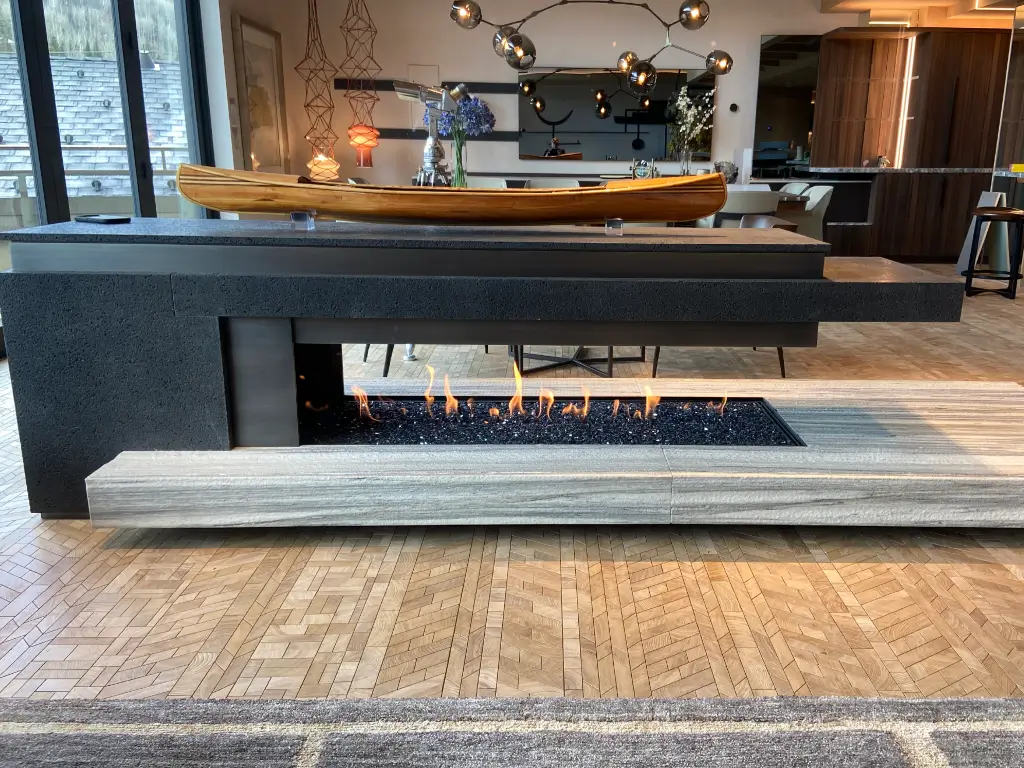
A home works best when every detail is thoughtfully planned. That includes fireplace controls, especially when the fireplace is a key part of the room’s design.
Connected Homes Are Changing Fireplace Expectations
Luxury homeowners expect intuitive experiences throughout the house. Lighting, entertainment, security, outdoor living features and other home systems are often planned around ease of use, so it is only natural for homeowners to ask how the fireplace will fit into that same experience.
This is often the starting point for talking about smart fireplace technology. The questions usually go beyond which remote or device controls the unit. Homeowners want to know how the fireplace will work from day to day, where the controls should be located, and if it will support the way they live.
For architects, designers, and custom homebuilders, these questions are important from the start. While a fireplace can be a main design feature, its controls also need to fit with wall layouts, access points, electrical plans, materials, and how the room will be used.
Most homeowners are looking for an experience that feels simple rather than overly technical. While connected fireplaces can offer that convenience, features like app-based controls or smart home automation should be coordinated with the right technology and installation partners.
When those conversations happen during the planning stage, the fireplace is much easier to integrate into the finished space. Instead of feeling like an add-on, the controls become part of the home’s overall design and everyday routine.
What to Know About Fireplace Controls and Connected-Home Planning
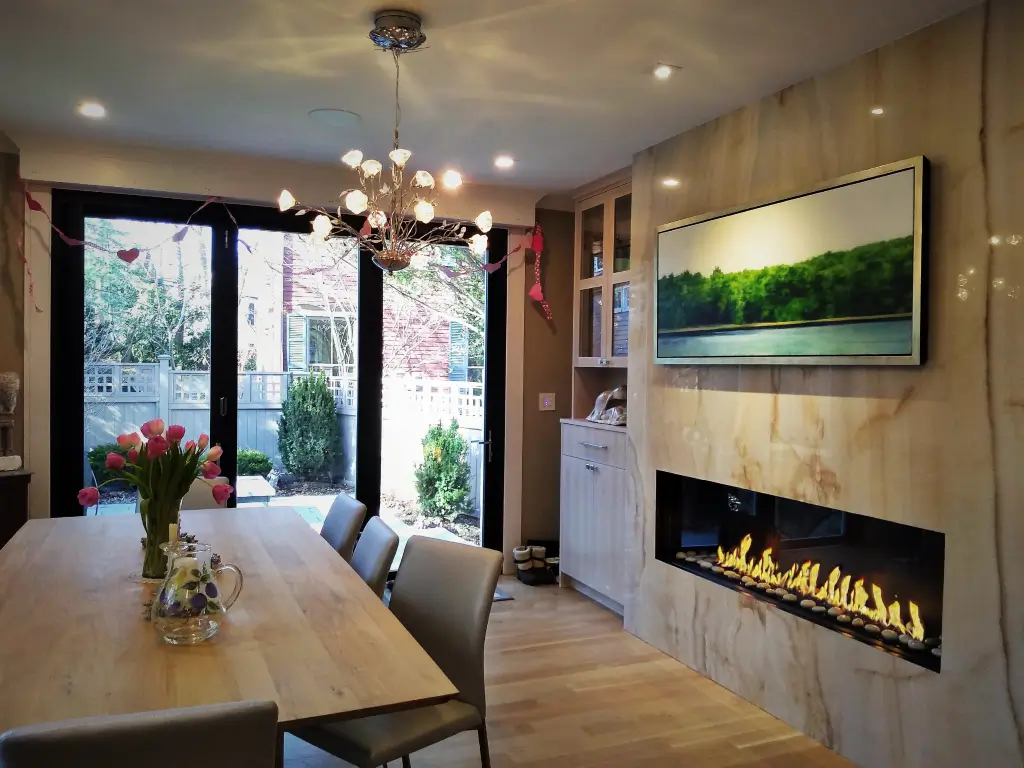
As interest in smart fireplace technology and connected homes grows, it’s helpful to understand what fireplace controls actually provide. With Acucraft gas fireplaces, everyday operation is typically handled through an on-off wall switch supplied and installed by others, with an optional on-off remote also available for purchase.
Water vapor fireplaces involve a different planning conversation. The focus is less about gas fireplace operation and more about remote operation, power needs, water access, LED light color preferences, optional crackling sounds and refill or service access.
This distinction is important because basic fireplace controls are not the same as full smart home integration. A wall switch, remote or product-specific control can make the fireplace easy to use, but app controls, voice assistants, Bluetooth and full automation are separate systems that need to be discussed with the appropriate project partners.
If the homeowner wants to control a gas fireplace through an app or incorporate it into a whole-home automation platform, those plans should be brought into the conversation early. The installer, electrician and smart home provider can determine what additional equipment, wiring, software or third-party integration may be required.
For water vapor fireplaces, early planning should focus on the features and access points that shape the experience. That includes where power will be located, whether the unit will use a water reservoir or a plumbed water line, how refill or service access will be handled, and how remote operation, LED light color preferences or optional crackling sounds should support the room.
For connected fireplaces, the best result is one that does not feel complicated once the project is finished. When control preferences are established during the design and planning stages, the fireplace can fit more naturally into the room, the technology infrastructure and the way the homeowner wants to use the space.
Why Fireplace Control Planning Still Matters
Fireplace controls may seem like a small detail, but they can have a noticeable impact on how naturally the fireplace fits into everyday life. The location of the wall switch, whether a remote is included, and who will use the fireplace should all be considered as part of the room’s overall design.
This is especially true with modern gas fireplaces, which often serve more than one purpose. Along with adding ambiance or supplemental warmth, the fireplace may become one of the room’s defining architectural features, so the way homeowners interact with it should feel just as intentional.
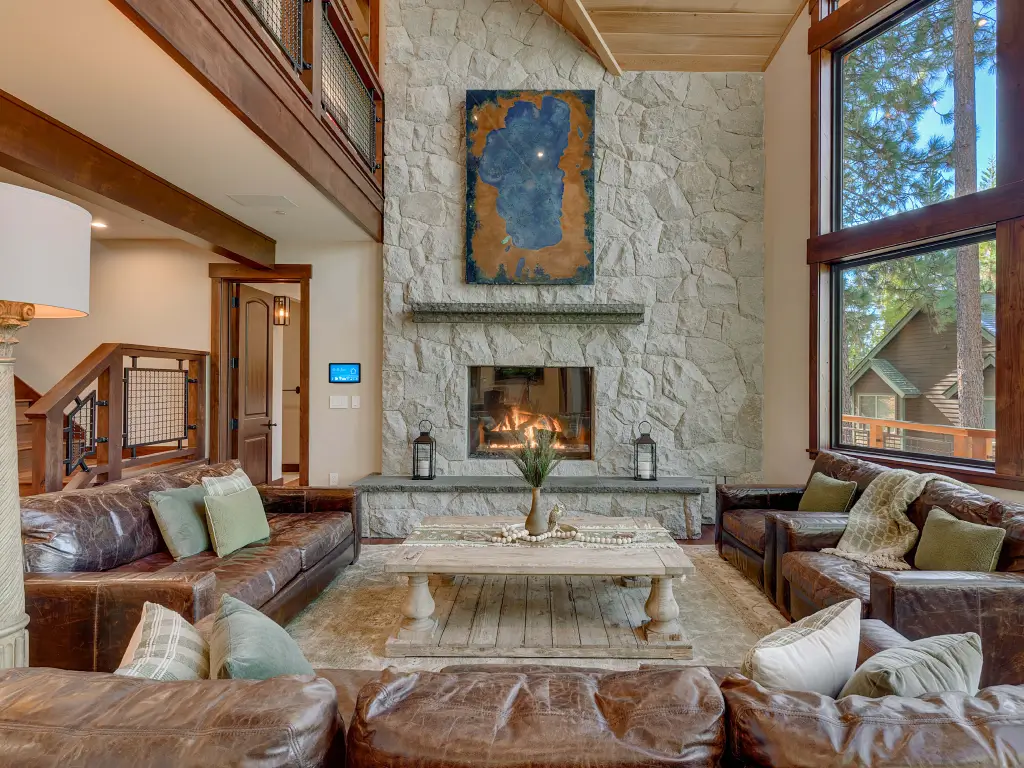
The right control setup can also change from one space to another. In a great room, for example, placing controls near the primary seating area may be the most convenient option, while a fireplace in a primary suite may call for a different approach.
Larger or more complex spaces deserve additional consideration. A fireplace incorporated into an indoor-outdoor living area or positioned where it can be enjoyed from multiple rooms may require more thought about access, sightlines, and where people are most likely to be when they want to use it.
Good luxury home technology does not call attention to how complicated the system is. It makes everyday tasks feel intuitive. Planning fireplace controls with the same care given to lighting, entertainment, and other home systems helps create a finished space that feels cohesive, deliberate, and easy to enjoy.
How Control Planning Changes by Fireplace Type
Every fireplace setup has its own planning needs. Architects, designers, custom homebuilders, installers and homeowners should think about placement, access, power needs, control expectations and installation coordination early in the process.
| Fireplace context | What to coordinate early |
|---|---|
| Gas fireplaces | On-off wall switch location, optional on-off remote preference, control access, operating expectations, installer or electrician coordination and any third-party technology expectations |
| Water vapor fireplaces | Power location, water reservoir or plumbed water line, refill or service access, remote operation preferences, LED light color preferences, optional crackling sounds, design placement and installer, electrician or plumbing coordination as needed |
| Outdoor fire solutions | Control location, dial timer, optional on-off remote, emergency shut-off controls as applicable, exterior placement, access, exposure and project coordination |
| Multi-view gas fireplaces | On-off wall switch location, optional on-off remote preference, control access, visibility from multiple angles, room-to-room experience, operating expectations and design coordination |
The right planning questions will vary depending on the fireplace and the way the space is intended to function. Gas fireplaces, water vapor fireplaces, outdoor fire solutions and multi-view gas fireplaces each bring their own control, access, power and coordination needs. Understanding those differences early helps the homeowner and project team choose the right fireplace and plan for how it will be used once the space is complete.
If the homeowner wants the fireplace included in a broader connected-home plan, those expectations should also be discussed with the installer, electrician or smart home provider early in the process. This keeps the fireplace aligned with the rest of the project and helps clarify which control or automation features are part of the fireplace itself, and which need to be coordinated by the appropriate project partners.

Why Designers and Builders Should Plan Fireplace Technology Early
For project teams, fireplace controls are best addressed before wall layouts, electrical plans and installation details are finalized. Early decisions make it easier to coordinate the fireplace with surrounding materials, access points and the way the room is intended to function.
At this stage, smart fireplace technology is less about choosing one feature and more about clarifying how the fireplace will be used, who is responsible for each part of the control experience and what needs to be planned before installation. Homeowners may ask about app controls or automation, but the project team should confirm which details are handled by the installer, electrician or smart home provider.
That early coordination can help prevent late-stage surprises around wiring, access, wall construction, surrounding finishes or third-party technology expectations. It also gives designers, architects, builders, installers and technology partners a clearer understanding of how the fireplace should function within the finished space.
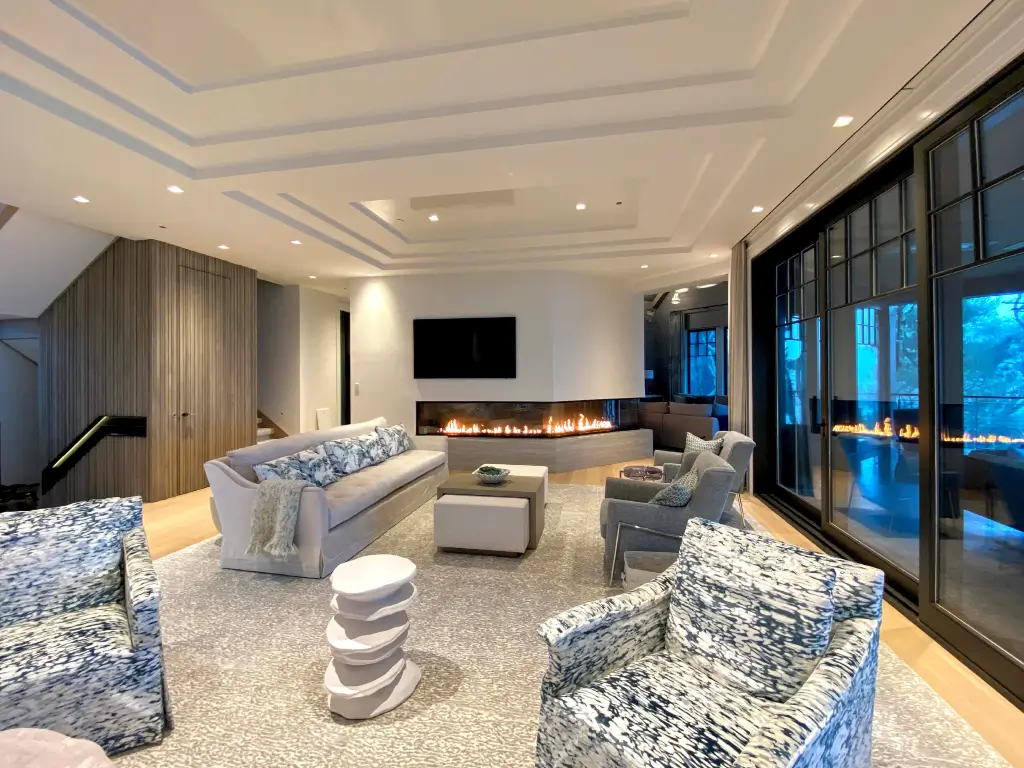
The Best Luxury Home Technology Feels Integrated
In a luxury home, the best technology blends in, feels easy to use, and fits seamlessly. It supports daily life without taking attention away from the room’s design, materials, or atmosphere.
For modern gas fireplaces, a great control experience begins with early planning. When homeowners and project teams know how the fireplace will be used, where controls will go, and if third-party tech is involved, the end result feels simple, natural, and enjoyable.
Control placement, product choice, and room planning all go hand in hand. Gas fireplaces add flame, ambiance and supplemental warmth to interiors, but the control experience should be planned around how the room will be used, where the on-off wall switch should be placed and whether an optional on-off remote is desired.
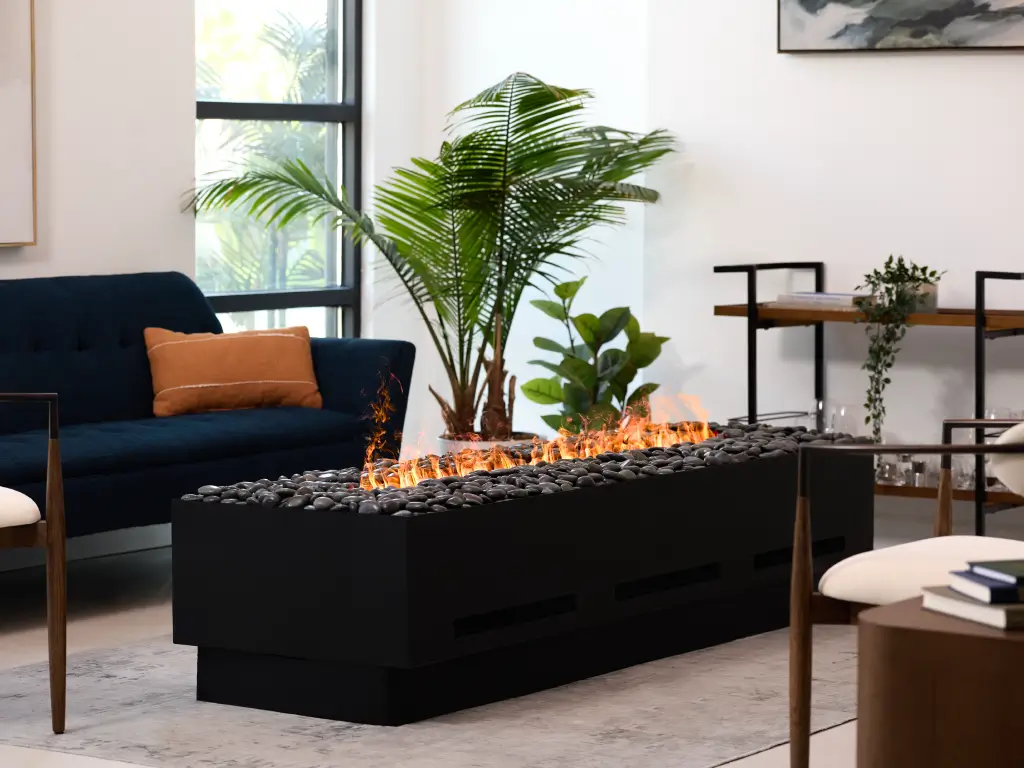
Water vapor fireplaces support a different kind of fireplace experience. When the goal is to add a visual flame effect to a space where combustion is not part of the plan, planning should focus on power, water access, remote operation, LED light color preferences, optional crackling sounds and service access.
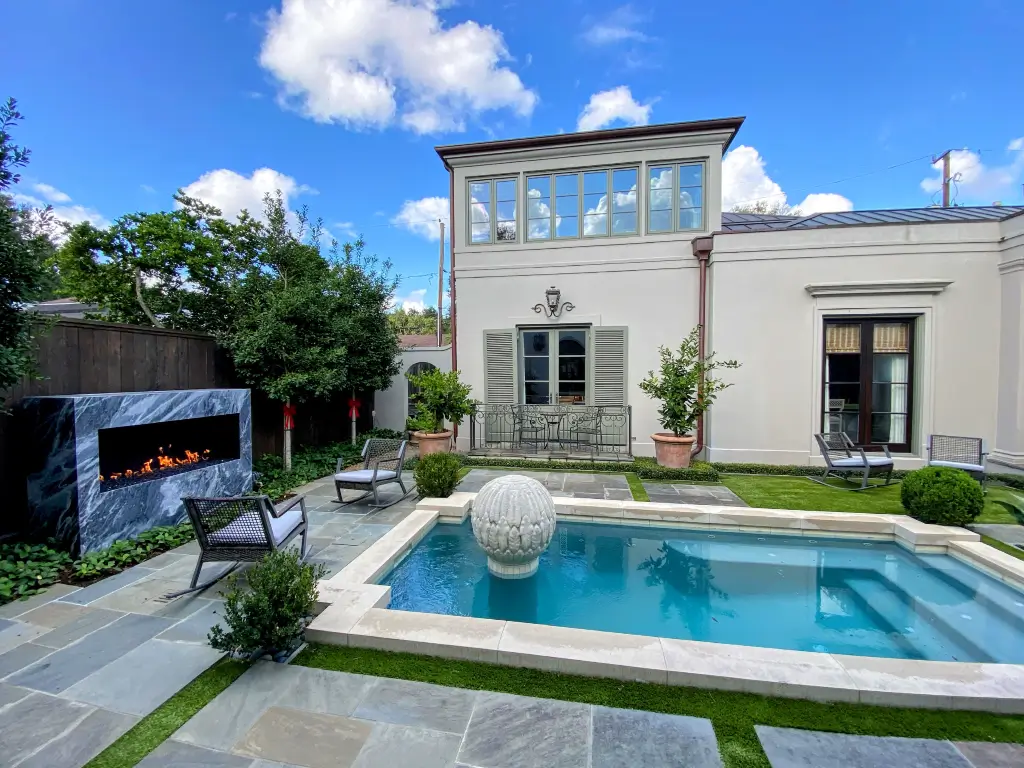
Outdoor fire solutions and multi-view gas fireplaces add their own coordination needs. Outdoor fire solutions can extend the experience into exterior living areas, while multi-view gas fireplaces can support room-to-room visibility and shared ambiance, making access and operation important parts of the planning conversation.
This is what good luxury home technology planning is all about. The final experience should feel simple, even if it took a team and several systems to make it happen.

Fireplace Control Planning Questions
Before selecting a fireplace or locking in installation details, it helps to define how the controls should work within the finished space. This becomes especially important in a connected home, a multi-view installation, an outdoor living area, or any room where access and control locations require more coordination.
Use these questions to guide the conversation:
For gas fireplaces:
- ☐How will the gas fireplace be used from day to day?
- ☐Where should the on-off wall switch be positioned?
- ☐Would the homeowner like the optional simple on-off remote?
- ☐Is app-based control or smart home automation expected?
- ☐Who will provide, install and support any third-party smart home technology?
For water vapor fireplaces:
- ☐Where will the water vapor fireplace be placed?
- ☐Where will power be located?
- ☐Will the unit use a water reservoir or a plumbed water line?
- ☐How will refill or service access be handled?
- ☐Are LED light color preferences or optional crackling sounds part of the desired experience?
- ☐How should remote operation fit into the way the room will be used?
For the overall project:
- ☐How should the fireplace work alongside lighting, furniture placement and surrounding living areas?
- ☐Will the fireplace be enjoyed from one room, several spaces or an indoor-outdoor setting?
- ☐What access, wiring or other coordination needs to happen during construction?
- ☐Which fireplace type best matches the homeowner’s intended experience?
- ☐Which control expectations should be confirmed before the final product is selected?
Working through these details early gives the homeowner, designer, installer, electrician, and smart home provider a shared understanding of the project. It also helps distinguish the controls supplied with the fireplace from any additional technology or integration that needs to be handled by other members of the project team.
Key Takeaways: Planning Fireplace Controls for a Connected Home
Planning fireplace controls should be practical, not stressful. The main goal is to make sure the fireplace fits the home, the room, and how people want to use it.
- Smart fireplace technology is often part of the conversation, but control options and responsibilities should be defined early.
- Acucraft gas fireplaces can be operated with an on-off wall switch supplied and installed by others.
- A simple on-off remote is also available as an optional purchase for gas fireplaces.
- Water vapor fireplaces should be planned around remote operation, power needs, water access, LED light color preferences, optional crackling sounds and refill or service access.
- App-based control, smart home automation, and third-party integrations should be coordinated with the appropriate installer, electrician, or smart home provider.
- Modern gas fireplaces can contribute ambiance, supplemental warmth, and strong visual impact, but the intended control experience should be considered before installation.
- Designers, architects, builders, installers, electricians, and technology partners should understand their roles before construction reaches the later stages.
When those decisions are made early, the fireplace can feel like a natural extension of the home rather than a separate system that has to be figured out later. The controls do not need to call attention to themselves; they simply need to make the fireplace easy, comfortable, and enjoyable to use.
Ready to plan a fireplace experience that matches your home and design goals? Complete the form below to connect with one of our fireplace experts.