

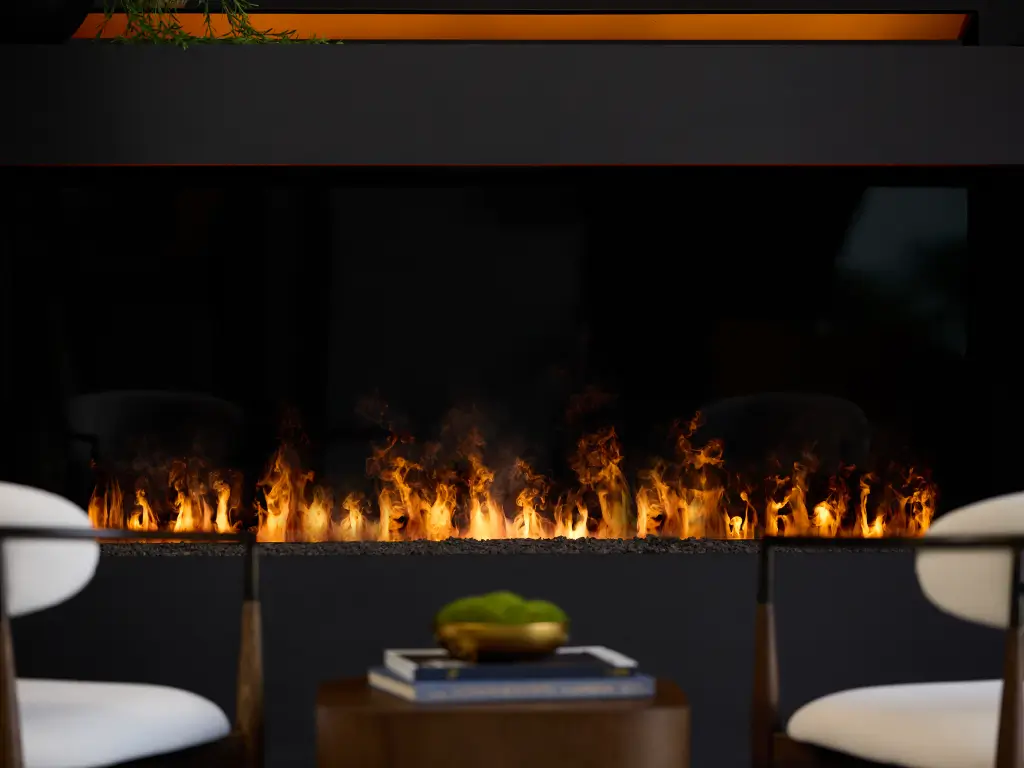
What a Water Vapor Fireplace Actually Does
A water vapor fireplace creates the look and movement of flame in a very different way than a gas or wood fireplace. Instead of combustion, Acucraft’s MaxFlowTM combines ultra-fine water vapor, LED lighting and controlled airflow to create dimensional flame movement. The system runs on water and electricity rather than gas or wood. Depending on the installation, water can come from a refillable reservoir or a plumbed connection. That means vapor fireplace design is less about adding warmth and more about bringing a visual focal point into the room. That difference matters when homeowners and project teams compare modern fireplace options. A water vapor fireplace may suit spaces where flame ambiance is the priority and supplemental heat isn’t needed. For a closer look at how the effect is created, read “Inside the Vapor Core: The Hidden Components That Create a Realistic Flame.”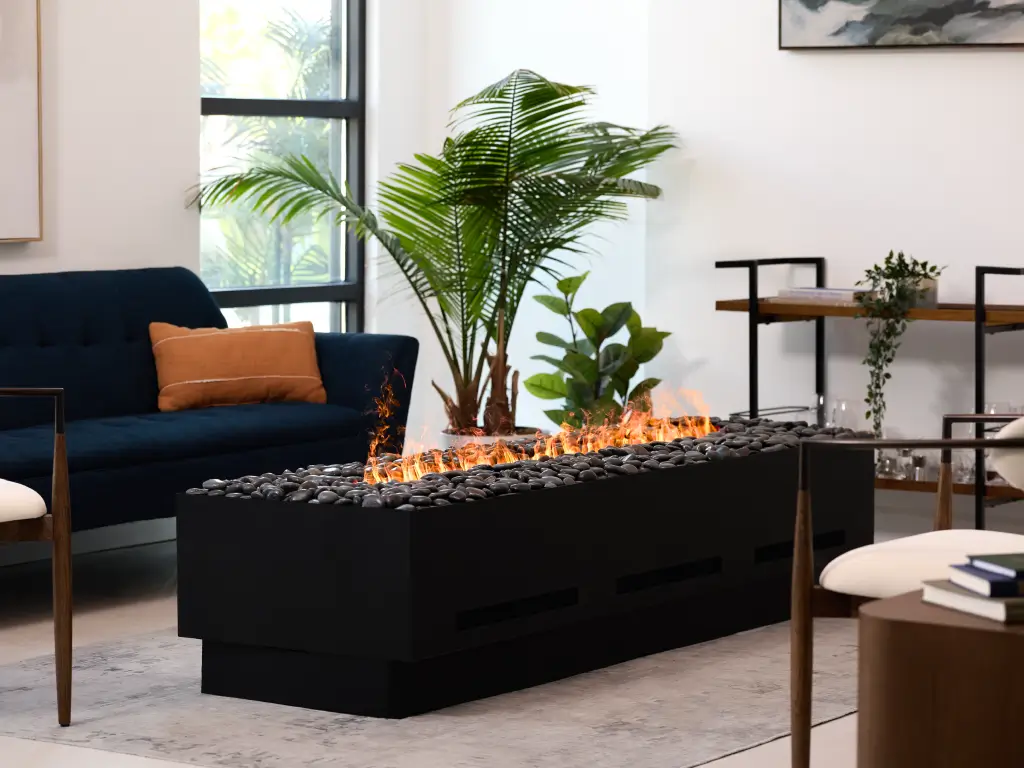
Where Vapor Fits Best: A Room-by-Room Guide
A water vapor fireplace can work in different parts of a home, but the best location depends on what you want the fireplace to add and how the room is laid out.
That flexibility sets vapor apart from other modern fireplace options. In one space, it may bring flame ambiance without adding heat. In another, vapor fireplace design may allow a feature in a location where traditional venting or fuel lines would make installation more complicated.
The guide below shows how these differences matter in real spaces.
| Space or design situation | Why vapor can make sense | What to think about |
|---|---|---|
| Living room where supplemental warmth isn’t needed | Adds flame movement and atmosphere without changing room temperature | Scale, viewing orientation and surrounding materials |
| Bedroom or primary suite | Creates a fireplace effect without supplemental warmth | Sightlines, lighting and flame color |
| Lower level or interior room | Does not require traditional fireplace venting or a fuel line | Electricity, water supply and service access |
| High-traffic gathering space | Offers a cool-touch flame effect near seating or walkways | Circulation, seating and interaction |
| See-through or multi-sided feature | Makes the flame visible from adjoining areas | Viewing angles and how adjoining spaces connect |
| Indoor fire pit or fire table | Brings the flame effect into the center of a seating area | Furniture placement, scale and interaction |
Acucraft’s water vapor fireplace options include single-sided and see-through models, along with custom linear, corner, bay, and multi-sided designs. For gathering areas, the collection also includes indoor vapor fire pits and fire tables.
When Ambiance Matters More Than Supplemental Warmth
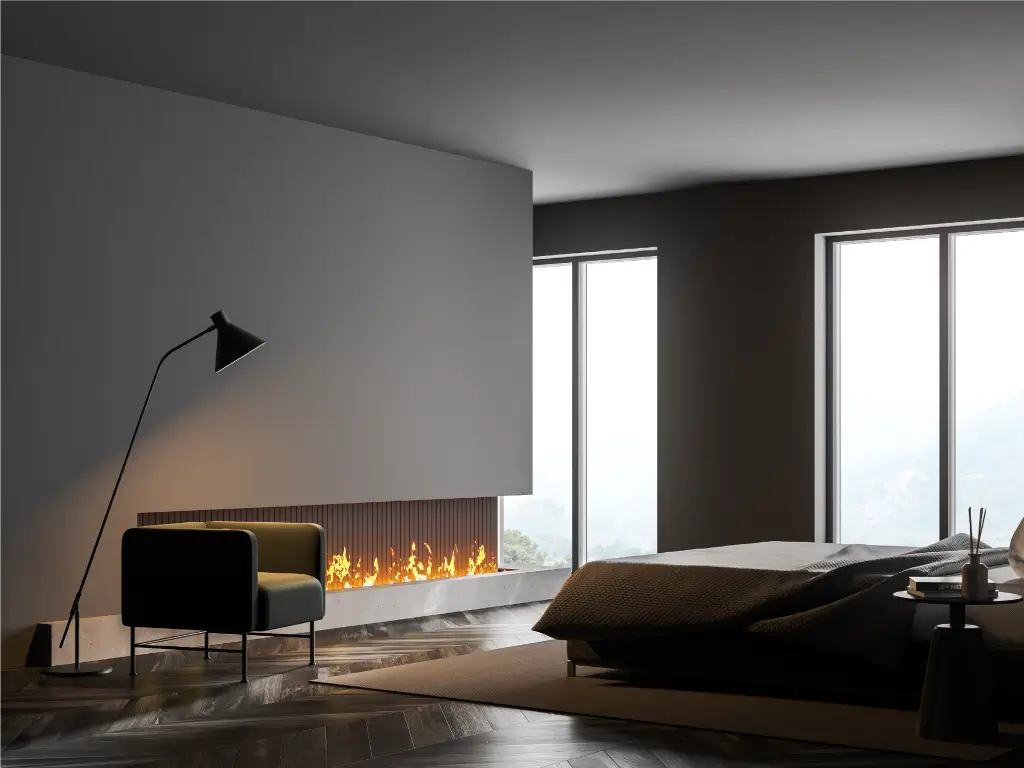
Sometimes homeowners want the look and movement of fire without changing the room’s temperature. In these cases, a water vapor fireplace is a great choice.
Acucraft vapor fireplaces create flame ambiance without giving off heat. This makes them a good option for rooms that are already comfortable, energy-efficient homes, bedrooms, or spaces where the fireplace is mainly for looks.
This also means you can use the fireplace more often. Since vapor fireplaces don’t provide supplemental warmth, you can enjoy the flame effect when the atmosphere feels right.
For more details on how vapor can improve a room’s environment, check out our article “Humidity and Comfort: The Hidden Wellness Benefits of Vapor Fireplaces.”
When Venting and Fuel Lines Limit the Design
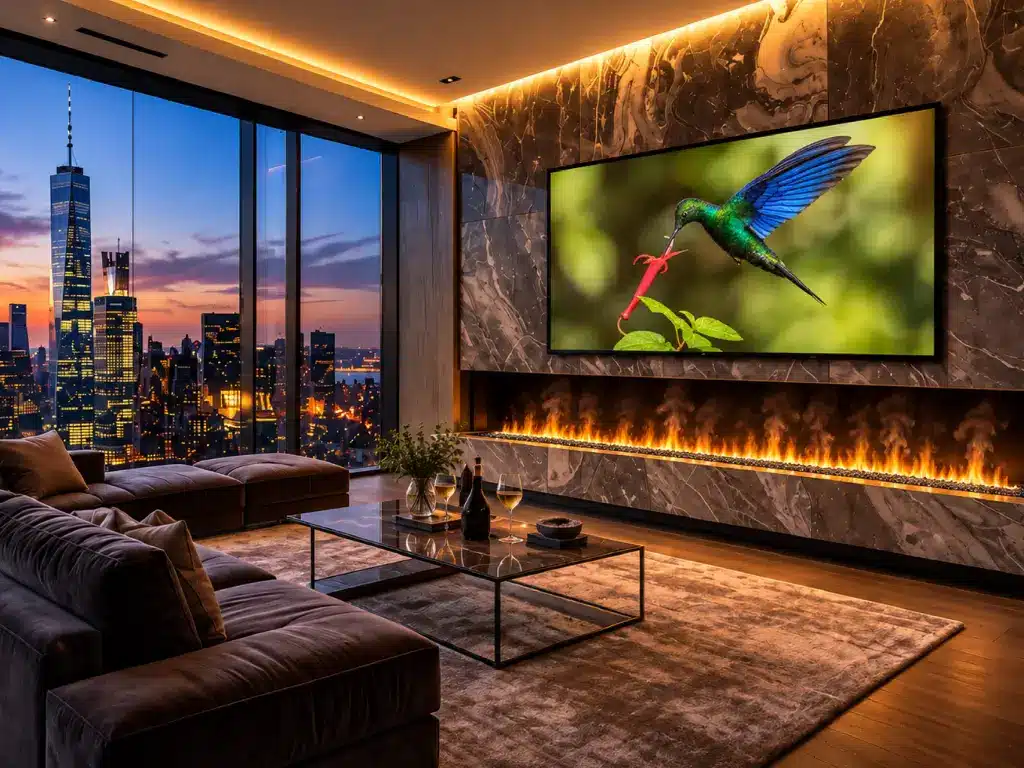
Traditional fireplace planning often brings venting, fuel and placement requirements into the conversation early. A water vapor fireplace works differently because there is no combustion, gas line or traditional fireplace venting to plan around.
This opens up new options for interior walls, lower levels, primary suites, condos, and other places where a regular vent might not work with the architecture. For designers, this extra flexibility can really shape the room’s design.
However, flexibility doesn’t mean you can skip planning. Good vapor fireplace design still needs electricity, a water source and access for refilling, cleaning or service.
That flexibility can make a big difference when the ideal fireplace location doesn’t line up with traditional venting or fuel requirements. For more on how vapor can expand placement options, see “Modern Fireplace Options for 2026: Where a Vapor Fireplace Creates Design Freedom.”
Making Vapor Part of the Architecture
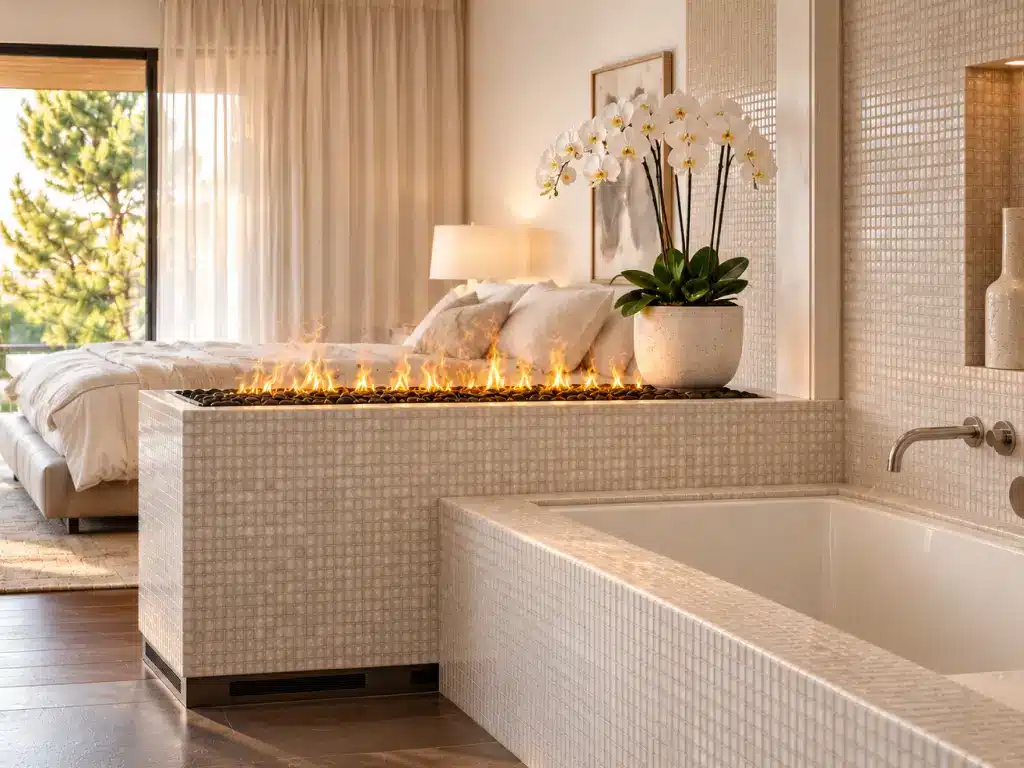
A fireplace doesn’t have to be just a rectangle in the middle of a wall. With vapor fireplaces, the flame can become part of the room’s architecture.
A see-through water vapor fireplace can visually connect adjoining spaces. A linear configuration can stretch across a larger feature wall, while corner, bay and multi-sided designs can make the flame visible from several viewpoints. Acucraft also offers indoor vapor fire pits and fire tables that bring the effect away from the room’s perimeter.
This variety gives architects and designers more freedom to plan how people will experience the flame as they move through the space. Among today’s modern fireplace options, vapor can be especially useful when the fire is meant to shape the room, not just fill an opening.
The goal is to choose a configuration that supports the architecture. A multi-sided feature should have a reason to be viewed from several directions, just as a long linear design should feel proportional to the wall and room around it.
When People Will Gather Close to the Flame
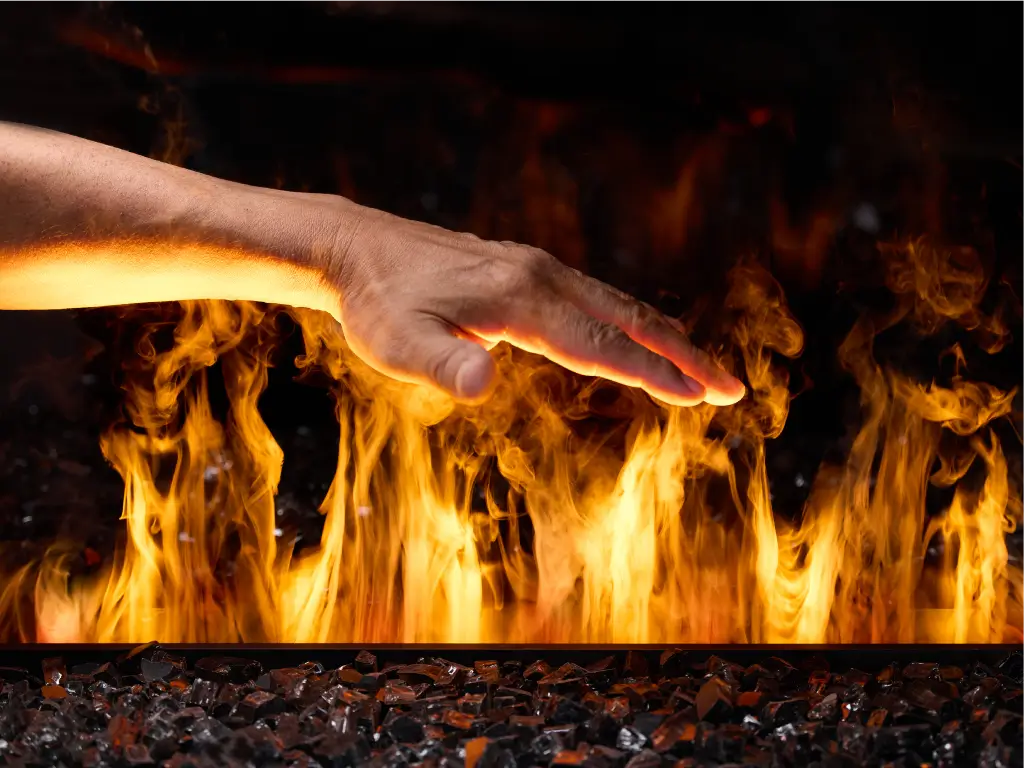
How close people will be to the fireplace matters too. Since a water vapor fireplace uses cool mist and light instead of combustion, the flame effect stays cool to the touch.
This makes vapor fireplaces a great choice for seating areas, walkways, bedrooms, and gathering spaces where people spend time near the fire. Indoor fire pits are another good example, since the flame is close to where people sit.
For homeowners looking at modern fireplace options, this changes how people interact with the fireplace. You can enjoy the flame’s movement up close without having to plan the room around the supplemental warmth of a gas or wood fire.
For more on the technology behind that experience, check out our article, “The Science Behind the Flame: How Vapor Fireplaces Achieve Realism Safely.”
When Vapor Isn’t the Right Fit
A water vapor fireplace isn’t right for every room, and that’s okay. Different modern fireplace options create very different experiences.
Vapor may not be the best match when:
- Supplemental warmth is an important part of the fireplace experience.
- The sound, scent and ritual of burning wood are central to what the homeowner wants.
- The homeowner prefers the character and operation of a gas flame.
- The architecture or performance goals point toward another fireplace type.
That’s the key to good vapor fireplace design. It’s not about using vapor in every space, but about knowing when its visual flame, cool-touch feel, and flexible placement are the right fit for the room.

What to Plan Before Choosing a Vapor Fireplace
Vapor fireplaces skip some of the usual requirements of traditional fire, but early planning still helps. Choices about viewing angle, setup, water, power, and access all affect how well the fireplace fits the finished room.
As you develop the vapor fireplace design, consider:
- Is the fireplace intended primarily for atmosphere?
- Does the room need supplemental warmth?
- Where should the flame be visible from?
- Would single-sided, see-through or multi-sided viewing work best?
- Is a standard or more specialized configuration appropriate?
- Will the fireplace use a refillable reservoir or plumbed water connection?
- Where are the electrical and water connections?
- How will the fireplace be accessed for refilling, cleaning or service?
- What flame color and media best fit the room?
- How will surrounding lighting affect the flame experience?
Acucraft vapor fireplaces can use either a reservoir or a plumbed water connection. You can also choose flame colors and media to match your design. Deciding on these details early makes it easier to compare vapor fireplaces with other options before you finish the room’s design.
Seeing Vapor Beyond the Traditional Fireplace
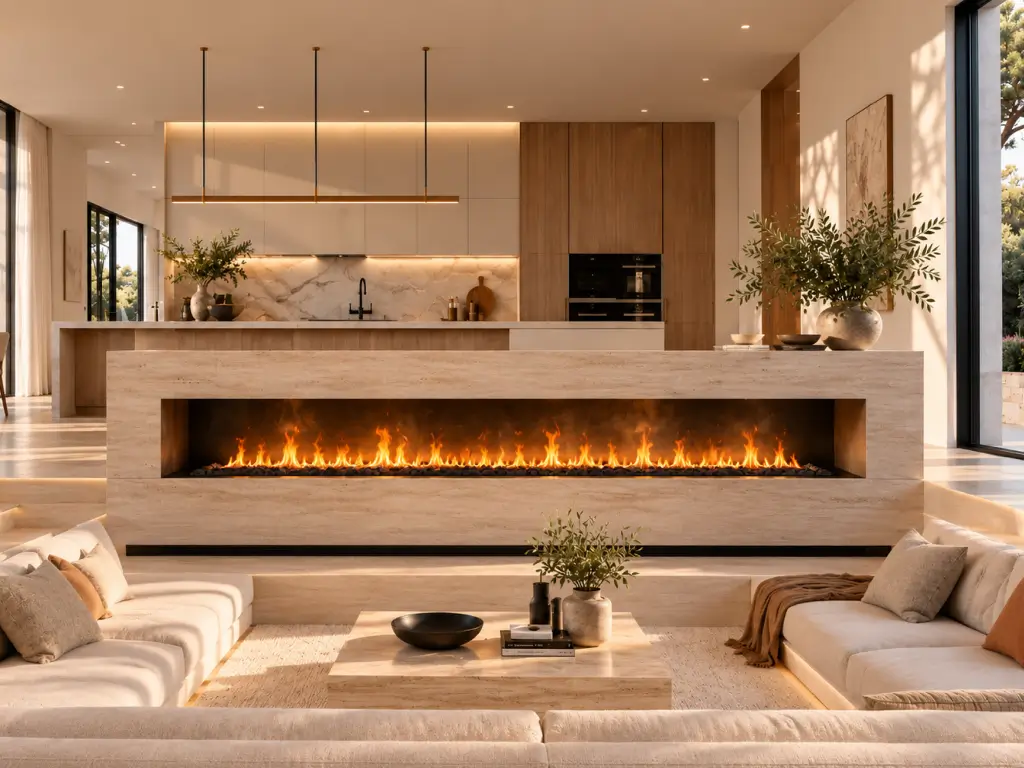
A water vapor fireplace doesn’t have to be framed by a conventional fireplace opening. Indoor fire pits and fire tables can bring the flame effect into the middle of a gathering space, changing how people arrange seating and experience the room. Want to see how vapor can move beyond a traditional fireplace opening? Watch “Indoor Fire Pits and Vapor Fireplaces for Modern Spaces” for a closer look at how a water vapor fireplace can become part of the gathering experience itself.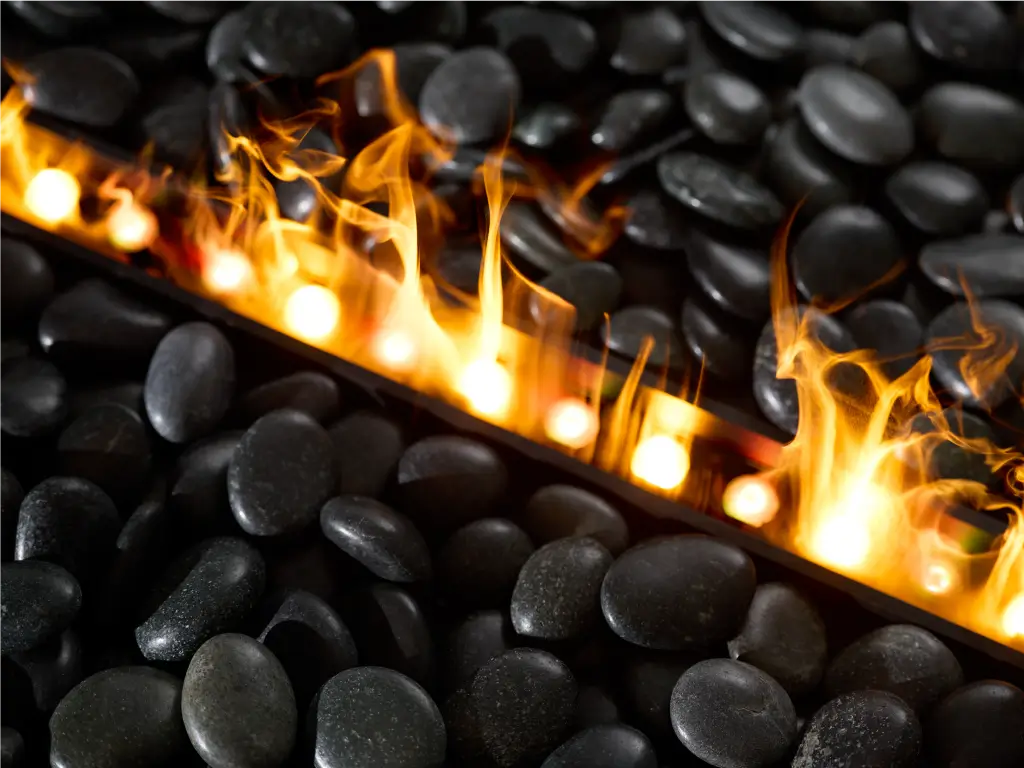
Common Questions About Water Vapor Fireplaces
No. A water vapor fireplace is made to create flame ambiance without giving off heat. This sets it apart from gas or wood fireplaces and makes it a good choice when you don’t need supplemental warmth.
A water vapor fireplace doesn’t need traditional venting because there’s no combustion. It does need electricity and water, and you should plan for refilling or service access.
These details are still important, even if you don’t need a vent or fuel line.
Acucraft’s MaxFlowTM combines ultra-fine water vapor, LED lighting and controlled airflow to create a moving, realistic flame effect. This gives vapor fireplaces their unique look without using combustion.
For a closer look at the components, read “Inside the Vapor Core: The Hidden Components That Create a Realistic Flame.”
Choosing the Fireplace Experience That Fits the Room
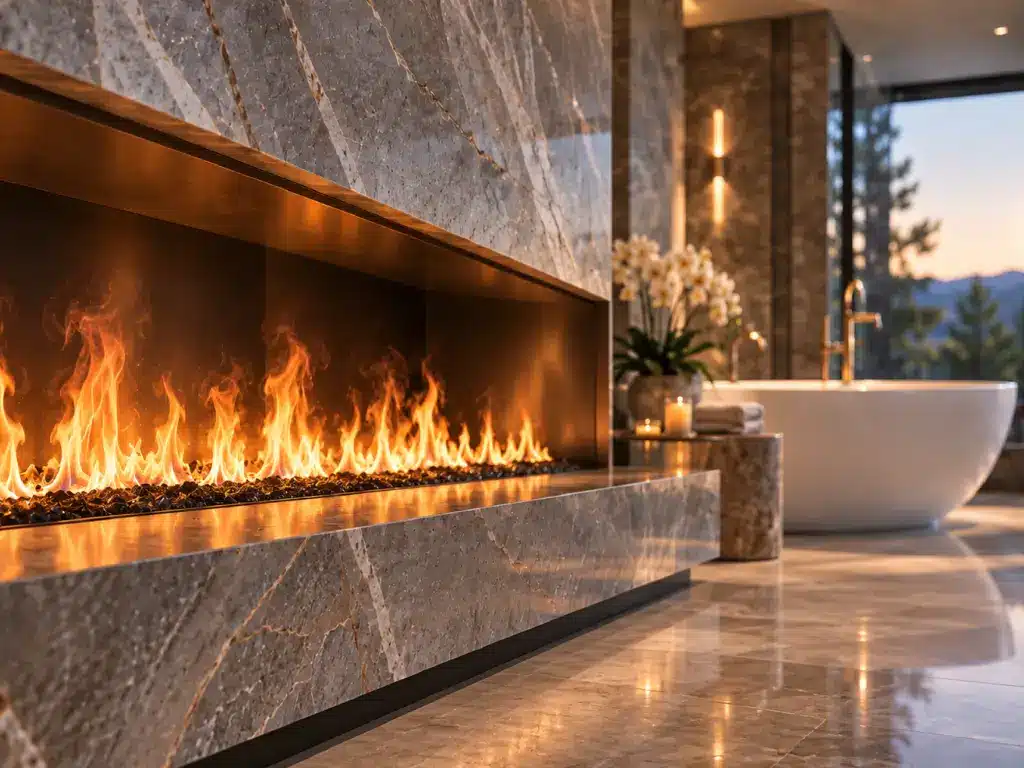
The best modern fireplaces help the room look, feel, and work the way you want. A water vapor fireplace is a great choice if you want a visual flame without extra heat, or if venting and fuel lines would get in the way of your design.
As you compare options, keep a few ideas in mind:
- Consider vapor when flame ambiance matters more than supplemental warmth.
- Look at vapor when traditional venting or fuel requirements would limit the design.
- Use configuration, viewing angles and placement to make the flame part of the architecture.
- Plan water, electricity and service access early.
- Compare vapor with other modern fireplace options based on what the room and homeowner actually need.
Good vapor fireplace design isn’t about using vapor in every room. It’s about knowing where its visual flame, flexible placement, and cool-touch feel make it the best choice for your home.
Interested in learning more? Complete the form below to request our Vapor Fireplace brochure.