

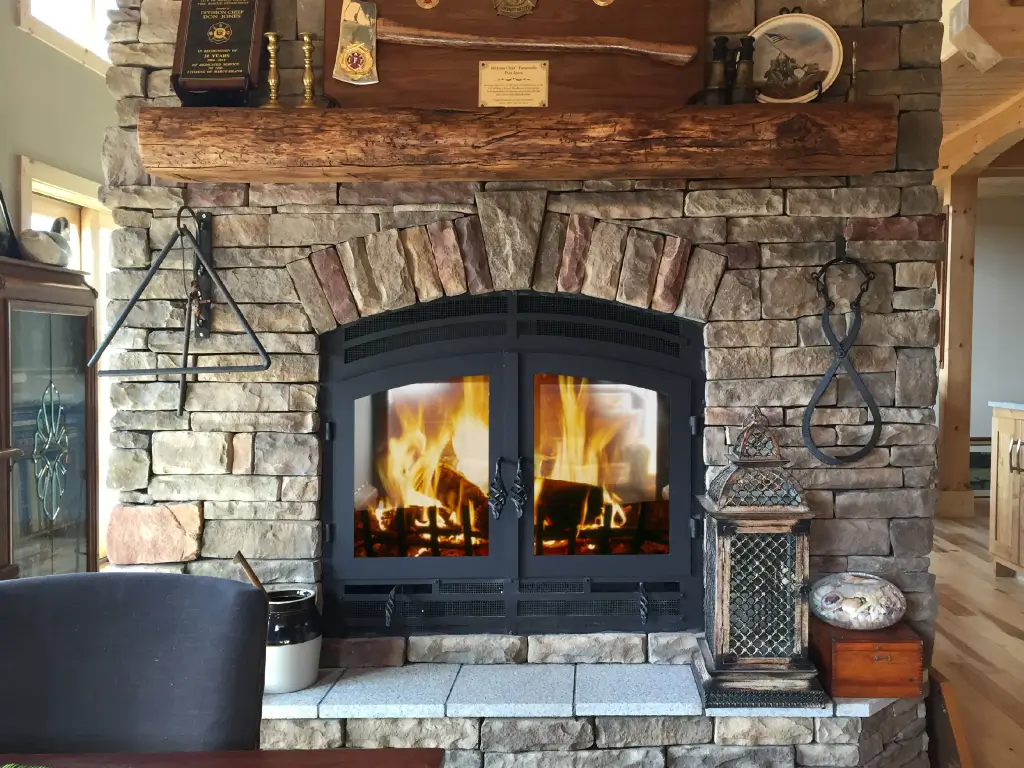
When the seasons change, a real wood fire offers something unique that other fireplaces can’t match. It brings sound, scent, ritual, and a stronger sense of connection to the spaces where people come together.
Real Wood Fire Still Has a Place in Luxury Home Design
Fall has a way of changing how a home feels. Cooler evenings draw people inside sooner, outdoor gatherings move closer to the fire, and the hearth once again becomes a central part of the season.
That seasonal shift is one of the reasons why wood-burning fireplaces continue to have a place in luxury home design. Their appeal goes beyond tradition. There’s the crackle and aroma of burning logs, the changing shape of the flames, and the simple routine of building and tending a fire.
For some homeowners, convenience matters most, making gas or water vapor fireplaces a practical choice. Others want something that feels more connected to the season and the experience of gathering at home. For them, a luxury wood fireplace brings supplemental warmth and character that can be difficult to recreate any other way.
A wood fire also changes the pace of an evening. People tend to linger a little longer, pull their chairs closer, and enjoy the room instead of simply passing through it. Over time, the fireplace becomes part of the conversations, celebrations, quiet nights, and memories associated with the home.
What Real Wood Fire Brings to a Home
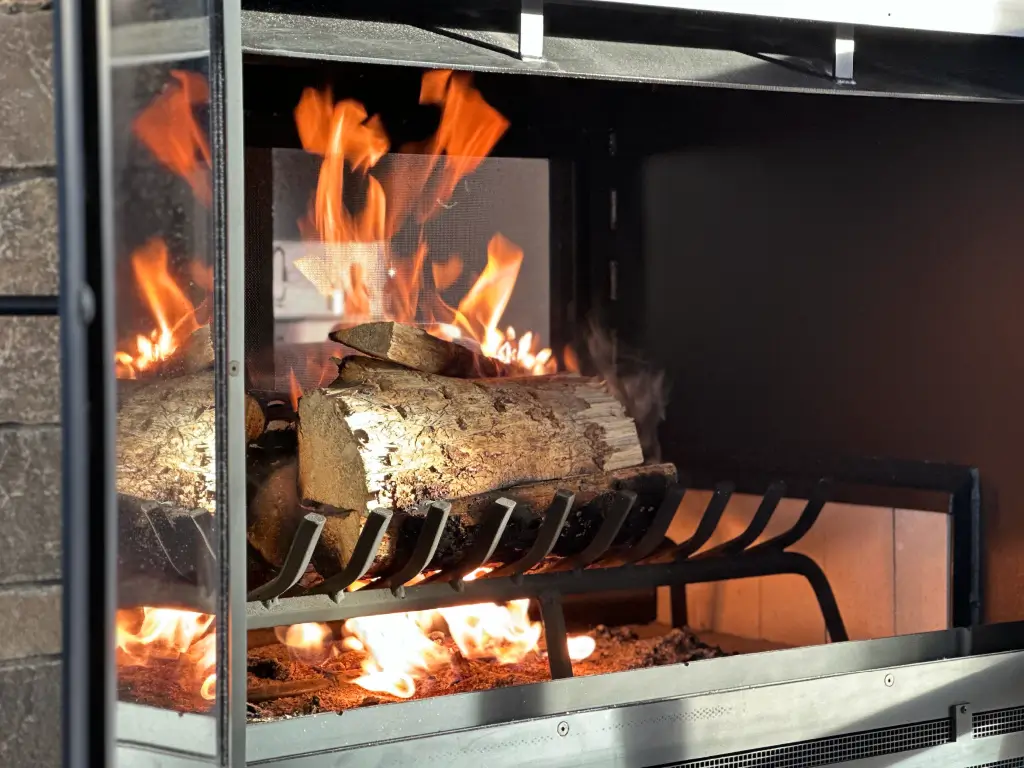
What sets a wood fire apart is not only what you see, hear or smell. It’s the way you become part of the experience. Building the fire, arranging the logs and keeping it going creates a small ritual that naturally slows the pace of the room and makes gathering around the hearth feel more intentional.
That hands-on connection is part of what keeps wood-burning fireplaces appealing to luxury homeowners. Building a fire involves more than flipping a switch. The experience unfolds throughout the evening, changing as the logs burn and people settle into the space around it.
Gas fireplaces certainly have their advantages, especially when convenience is the priority. Water vapor fireplaces can also create the look of flame in spaces where traditional fire may not be practical. A wood-burning fireplace, however, creates a more hands-on relationship with the fire and the space around it.
This difference is important in spaces meant for connection. For example, a single-sided wood fireplace can create the classic hearth experience people often remember from family rooms, cabins, lake homes, and evenings when no one is in much of a hurry to leave.
It’s not only about nostalgia. It’s about making a space feel alive, especially when the fire becomes the natural spot where people gather.
Where Wood-Burning Fireplaces Feel Most at Home
A wood fire is most effective when the space is designed to support it. This may seem simple, but it’s an important point for architects, designers, builders, and homeowners to consider early in the planning process.
Design should start with how the homeowner wants the room to feel. Is the fireplace meant to anchor a great room, add character to a mountain home, create a hearth-centered living room, or extend the warmth to a covered patio or indoor-outdoor space?
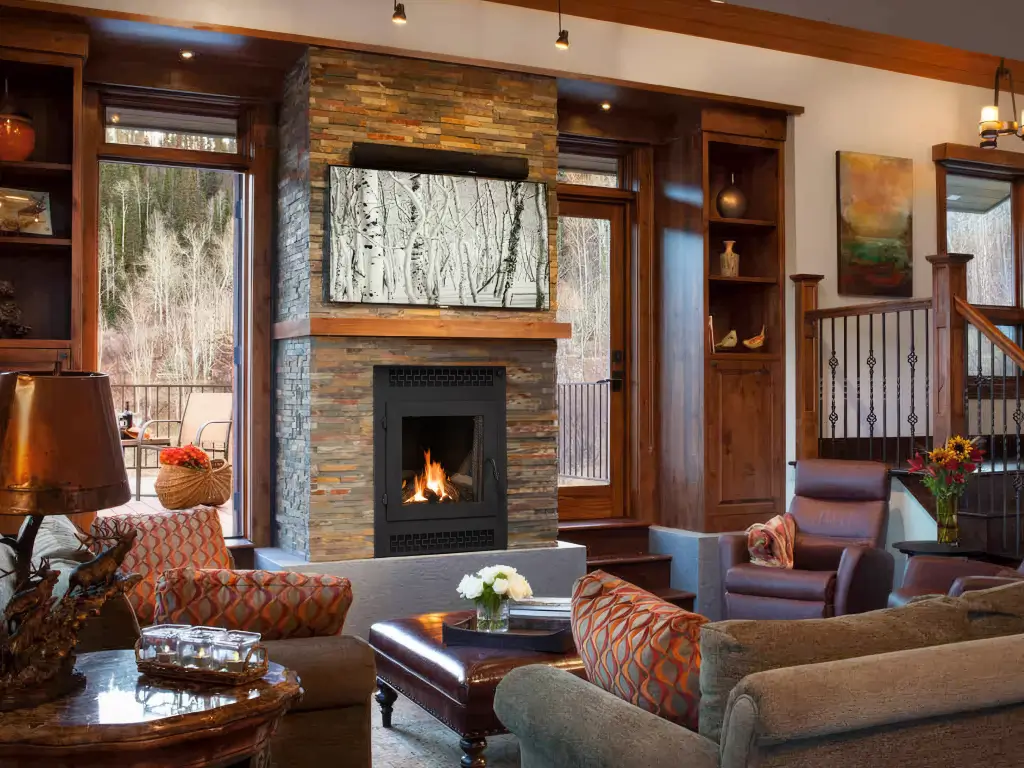
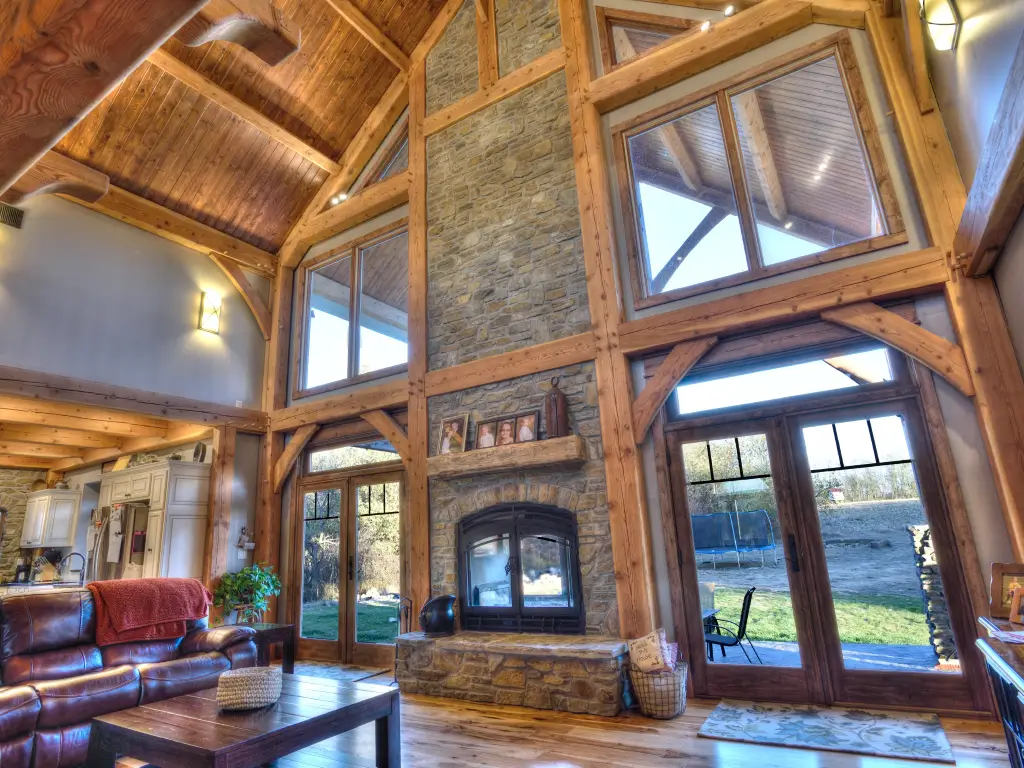
Wood-burning fireplaces feel especially natural in great rooms, lake homes, mountain homes, cabins, lodges, and vacation properties. They also work well in formal living rooms where the fireplace is meant to be a main feature, not just a background detail.
They also make sense in homes where fire is used with intention. Not everyone wants a wood fire every day, and that’s okay. In the right space, building a fire becomes part of what makes the room feel special.
Homeowners who mainly want speed and convenience may be happier with another fireplace style. But when the goal is to create a stronger sense of ritual, authenticity, and connection to the fire itself, a luxury wood fireplace can become one of the most memorable features in the home.
Choosing the Right Wood Fireplace Style for the Space
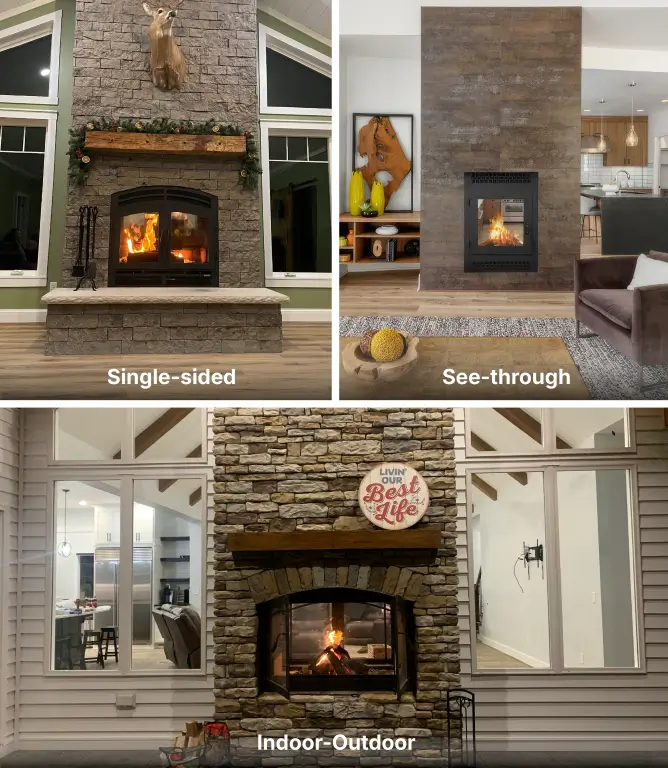
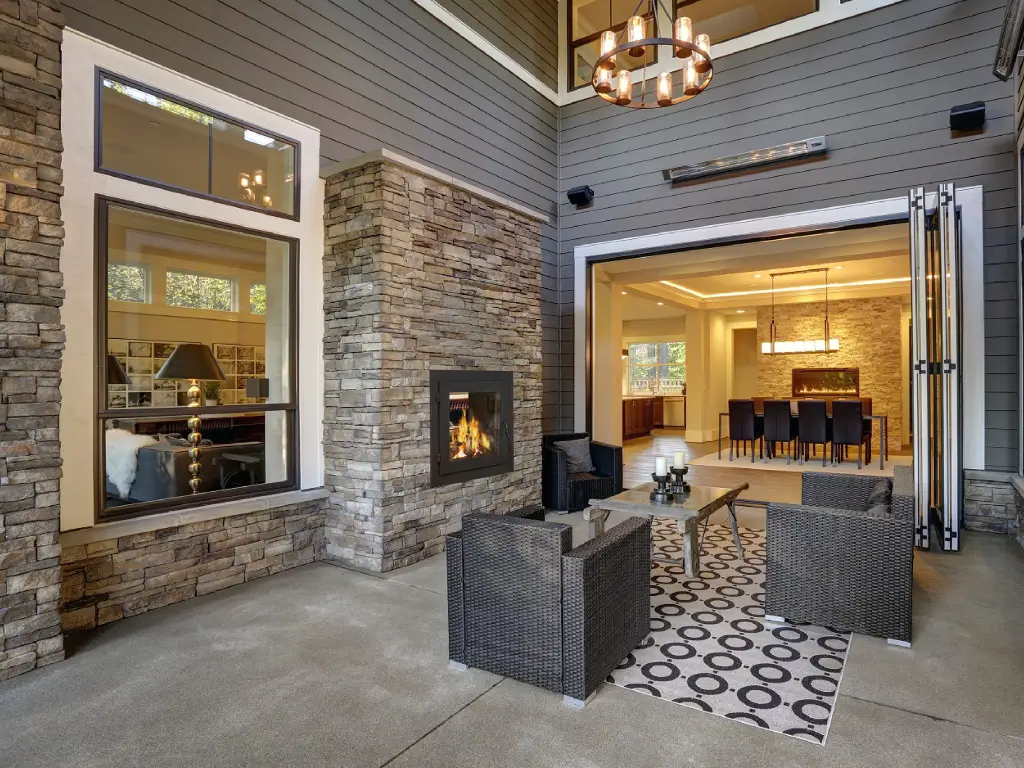
The right fireplace style depends on what the room needs to do. A single-sided wood fireplace offers a different experience than an indoor-outdoor one, even though both bring the sound, scent, and movement of real wood fire into the home.
Homeowners and project teams should see the fireplace as part of the room’s bigger purpose. Some rooms need a clear focal point, while others need the fire to connect two areas or support gatherings inside and out. The guide below matches each wood fireplace style to the experience it creates best.
| Fireplace style | Best suited for | Design consideration |
|---|---|---|
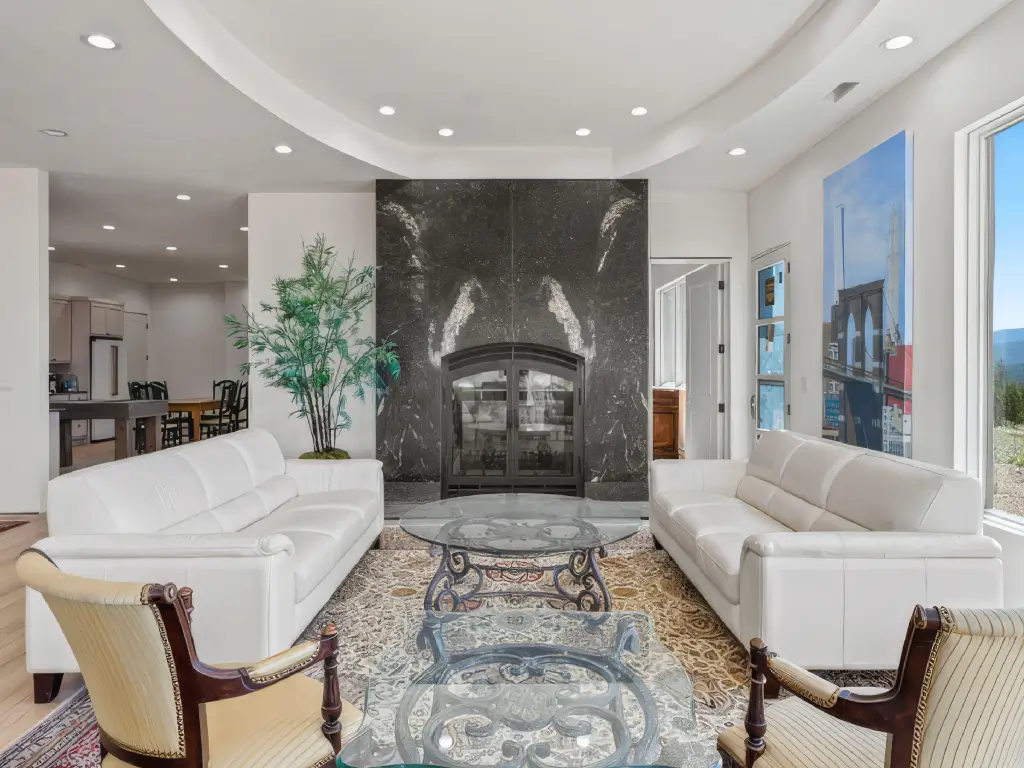
| Single-sided wood fireplaces | Traditional hearth rooms, great rooms, cabins, living rooms and focal walls | Best when the fireplace should anchor one primary view and create a classic gathering point |
| See-through wood fireplaces | Spaces where the fire is meant to connect two areas visually | Best when shared ambiance matters across adjoining rooms |
| Indoor-outdoor wood fireplaces | Homes designed around both interior comfort and exterior living | Best when the fireplace should connect indoor gathering with outdoor relaxation |
| Larger viewing areas | Great rooms, mountain homes, lodges and larger-scale spaces | Best when the fireplace needs a more substantial visual presence |
Acucraft’s wood-burning fireplaces include single-sided, see-through and indoor-outdoor styles across the American Collection and Hearthroom Collection. The American Collection offers a tall 20” wide x 21” high viewing area with single-sided and see-through/indoor-outdoor styles. In contrast, the Hearthroom Collection is available in 30”, 36”, 44” and 48” viewing areas in single-sided, see-through and indoor-outdoor styles. Together, these collections give homeowners and design teams options for different room scales, viewing preferences and design goals.
What Designers and Builders Should Consider Before Planning Around a Wood Fire
A wood fireplace design is best considered early in the project because its impact reaches well beyond the wall where the firebox will sit. The fireplace can affect the proportions of the room, chimney and venting plans, surrounding materials, furniture placement, traffic flow, and even how the homeowner moves through and uses the space.
For architects, designers, and custom homebuilders, early coordination can make a noticeable difference in the finished room. A wood-burning fireplace should look and feel as though it was always part of the architectural plan, rather than something worked into the design later.
Placement is one of the first decisions to consider. A fireplace in a great room may need to balance a large wall, frame a seating area or relate to outdoor views. In a lodge-inspired home or vacation property, it may need to support a more relaxed gathering experience while still feeling scaled to the room.
There are practical details to work through as well. Depending on the fireplace and installation, planning may include chimney and venting requirements, combustion and outdoor air, hearth dimensions, nearby materials, maintenance needs, and future access for service.
None of these considerations have to complicate the project. Addressing them early while the plans are still flexible simply gives the design team more options. By the time construction begins, the fireplace can feel like a natural part of the room and work the way the homeowner expected from the start.
Personalizing a Wood-Burning Fireplace
A luxury wood fireplace may set the foundation, but the finishing details can have a big influence on how it feels within the room. With Acucraft’s Hearthroom Collection, homeowners and design teams can choose from a range of customization options that help the fireplace complement the surrounding architecture and materials.
Those details can include fronts, doors, frame finishes, grids and handles. A more traditional hearth may lean toward classic detailing and warmer finishes, while a contemporary mountain home might pair cleaner lines with stone, steel or a simpler surround so the flame and surrounding materials can take the lead.
The goal is to create a fireplace that feels thoughtfully connected to the home rather than treated as a standalone feature. Explore Acucraft’s wood fireplace accessories and options to see the available ways to personalize a Hearthroom fireplace.
Indoor-Outdoor Wood Fireplaces and the Lifestyle of the Season
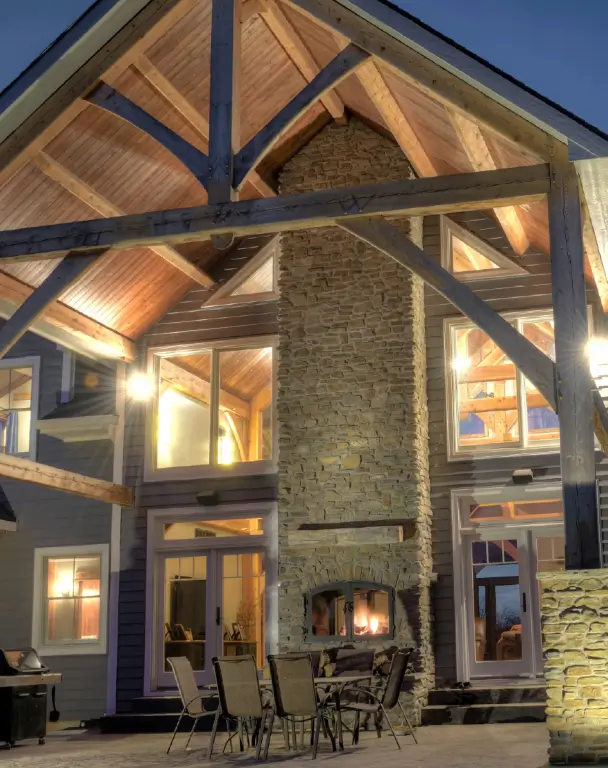 Fall is a perfect time to see why indoor-outdoor wood fireplaces are so appealing. The fire can warm a quiet evening inside, a gathering on the patio, or make it easy to move between both spaces.
Acucraft’s indoor-outdoor wood fireplaces can help extend the feeling of the hearth beyond one room. Inside, it can anchor a living space, great room or lodge-inspired gathering area. Outside, it can bring the same flame experience to a covered patio, outdoor lounge or lakeside seating area.
This kind of fireplace is great for homes built around seasonal living. Mountain homes, lake homes, and places with covered outdoor rooms benefit from a fireplace that links indoor comfort with the feeling of being outdoors.
Since you use the fireplace from both sides, planning should include more than one view. Think about materials, seating, door placement, movement, and how the indoor and outdoor spaces connect early on.
For a closer look at how this works in a finished project, watch A Wood-Burning Fireplace Designed to Connect Two Living Spaces | Fireplace Stories with Chris Maxson. Seeing the fireplace in context can make it easier to understand how fire, architecture and lifestyle work together.
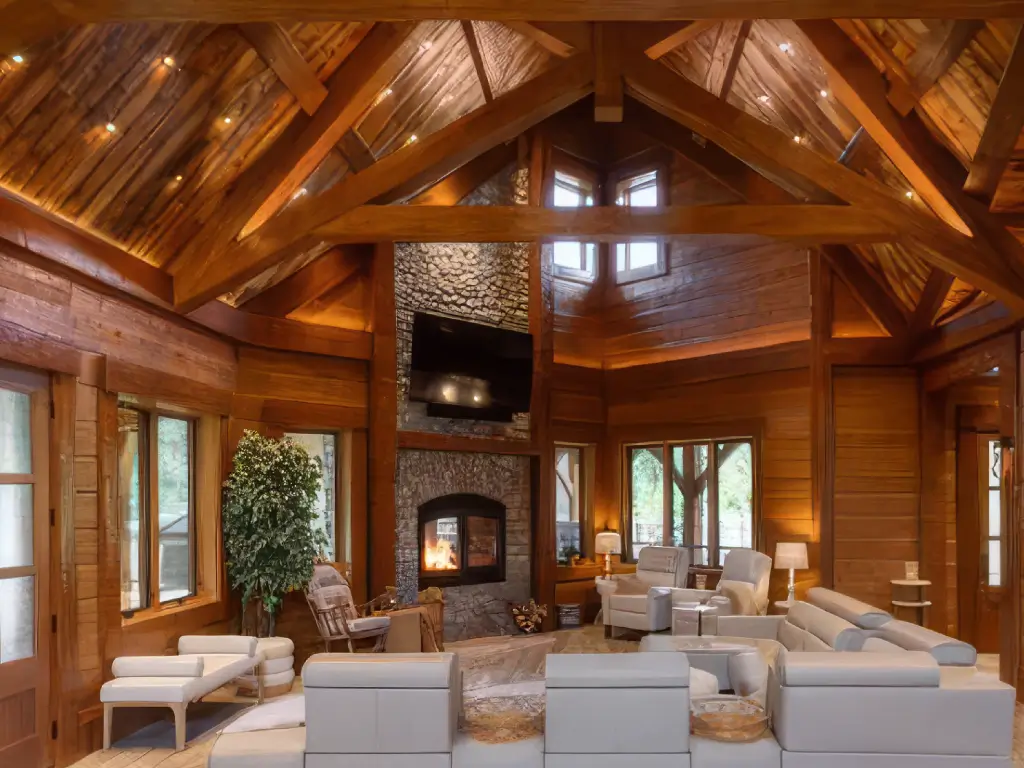
See the Experience in Finished Spaces
Wood fireplaces make a lasting visual impression and seeing them in finished spaces can make the planning process much easier. Photos and videos offer a sense of scale that drawings and specifications may not fully capture, from the size of the viewing area to the way stone, steel, wood and other materials look beside the flame.
They also show how the fireplace actually lives in the room. You can see how it relates to nearby furniture, windows, ceiling height and architectural details, along with the natural movement of a real wood fire.
To see how these fireplaces come to life in completed projects, explore Acucraft’s Hearthroom Collection photo gallery and the American Wood Collection photo gallery. These galleries can help homeowners and project teams compare different wood fireplace designs, room styles, material palettes and gathering spaces before making more detailed planning decisions.
The Hearthroom Wood Fireplace Collection for Indoor & Outdoor Living | Fireplace Stories with Chris Maxson video offers another way to understand the range of product options and lifestyle applications. It shows how Hearthroom fireplaces can support both indoor and outdoor living.
For a more personal look at the decision process, you may want to watch “Why Fred and Tracey Chose Acucraft for Their Dream Fireplace” which shows how a homeowner’s goals, preferences and experience can shape the fireplace choice. Their experience brings the decision back to what matters most: choosing a fireplace that feels right for the home and the people who live there.
Key Takeaways: Why Wood Fire Still Belongs in Certain Luxury Spaces
Wood-burning fireplaces are a great choice in luxury homes because they create an experience that feels grounded, seasonal, and memorable. While they aren’t right for every room, in the right setting, a real wood fire can influence how people gather, relax, and experience the home.
As you plan the space, keep a few things in mind:
- Wood-burning fireplaces continue to appeal to homeowners who want the sound, scent, ritual, and character of a real fire.
- A wood fire is especially effective in rooms where atmosphere, gathering, and seasonal use are part of the design.
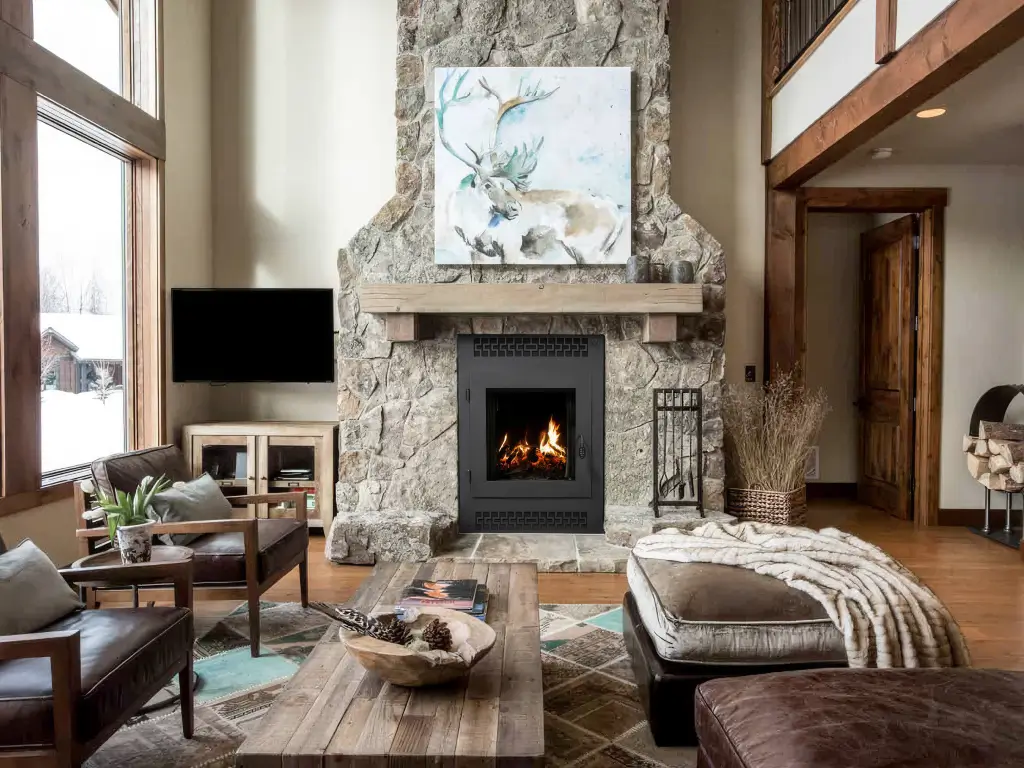
- Single-sided wood fireplaces can create a traditional hearth experience while also serving as a strong architectural focal point.
- Indoor-outdoor wood fireplaces work well in homes designed to blur the line between interior living areas and outdoor entertaining spaces.
- The Hearthroom Collection can be personalized through finishing options that help the fireplace feel connected to the room’s architecture and materials.
- Architects, designers, and custom homebuilders should address placement, venting, scale, materials, and maintenance requirements early in the project.
When all these choices come together, the fireplace feels like it was always meant to be part of the home. It becomes more than just a feature—it becomes part of how the space is lived in, remembered, and enjoyed.
Ready to bring the sound, scent and ritual of real wood fire into your home? Complete the form below to connect with one of Acucraft’s wood-burning fireplace experts.