
Start With the Wall, Not the TV
While a TV can be part of a fireplace wall, it shouldn’t be the primary focus. Designing the entire wall as a unified feature from the beginning allows the fireplace, TV, storage, finishes, and architectural details to complement one another instead of competing for attention.
This approach matters for any well-designed fireplace wall. Great designs don’t revolve around a single item or random choices. They consider proportion, sightlines, materials, furniture placement, and the way the room will actually be used.
For designers, architects, and custom homebuilders, this means thinking beyond just where things go. Where does the flame draw your attention? How does the wall connect to nearby spaces? What role should storage, shelves, lighting, or a screen have? For luxury homeowners, the wall can be more than a backdrop. It can add comfort, balance, and become a place for people to gather.
In a previous post, we looked at important tips for important tips for mounting a TV above a fireplace, like placement, clearances, and comfort. Here, we’ll focus on the whole wall and how all the elements work together.
A luxury fireplace wall can create balance, anchor a gathering space, and add a thoughtful architectural touch to your home.
What Makes a Fireplace Feature Wall Feel Architectural?
The best fireplace walls feel intentional from every viewpoint. The size of the fireplace, wall width, ceiling height, materials, built-ins, lighting, storage, art, and TV placement all shape the final design. These elements should work together, not against each other.
The goal is not to add more to the wall, but to give every element a clear purpose. A thoughtfully designed fireplace wall can draw the eye, help define furniture placement, and create a natural gathering area. It should feel integrated into the architecture of the room rather than like a fireplace that was added after everything else was decided.
Proportion and restraint are especially important. A wide, linear fireplace may look best with clean lines and a more streamlined treatment, while a tall wall may benefit from materials or architectural details that emphasize vertical space. Built-ins, shelving, lighting, and storage should strengthen the design without overwhelming the fireplace itself.
For that reason, fireplace design should begin before finishes are selected. When designers, architects, and builders plan the entire wall early in the process, they have more control over scale, balance, function, and visual flow. The result is a fireplace feature that feels refined, cohesive, and naturally connected to the rest of the home.


Build the Feature Wall Around the Fireplace
Choosing the fireplace is one of the first steps in designing a feature wall. Its size, viewing style, placement, and technical needs will affect everything else, such as cabinetry, lighting, materials, and furniture arrangement.
If your project focuses on clean lines and flexible placement, Acucraft gas fireplaces can support many different fireplace design ideas. A gas fireplace offers a controlled flame, supplemental warmth, and a more integrated wall—especially when you plan the fireplace before adding storage, shelves, or a screen.
At this stage, the fireplace feature wall is more than just a backdrop. The fireplace sets the tone for the whole design, giving the wall a clear center and helping every part of the space feel connected.


Consider the Full Composition: Fire, Screen, Storage and Materials
A well-designed fireplace feature wall often includes several visual and functional elements, but they should not all demand equal attention. The fireplace may be paired with a TV, artwork, built-ins, concealed storage, shelving, lighting, a mantel, or contrasting materials. The key is establishing a clear hierarchy, so the wall feels composed rather than crowded.
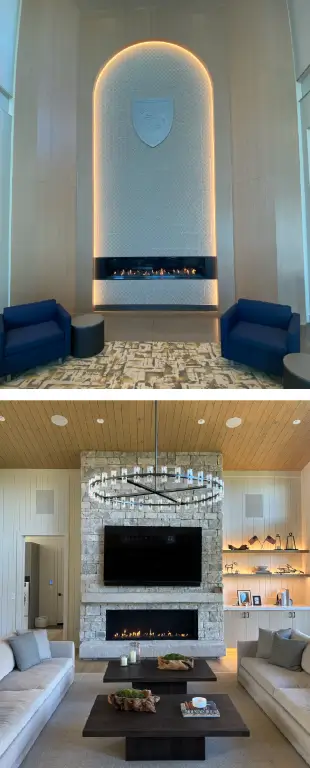


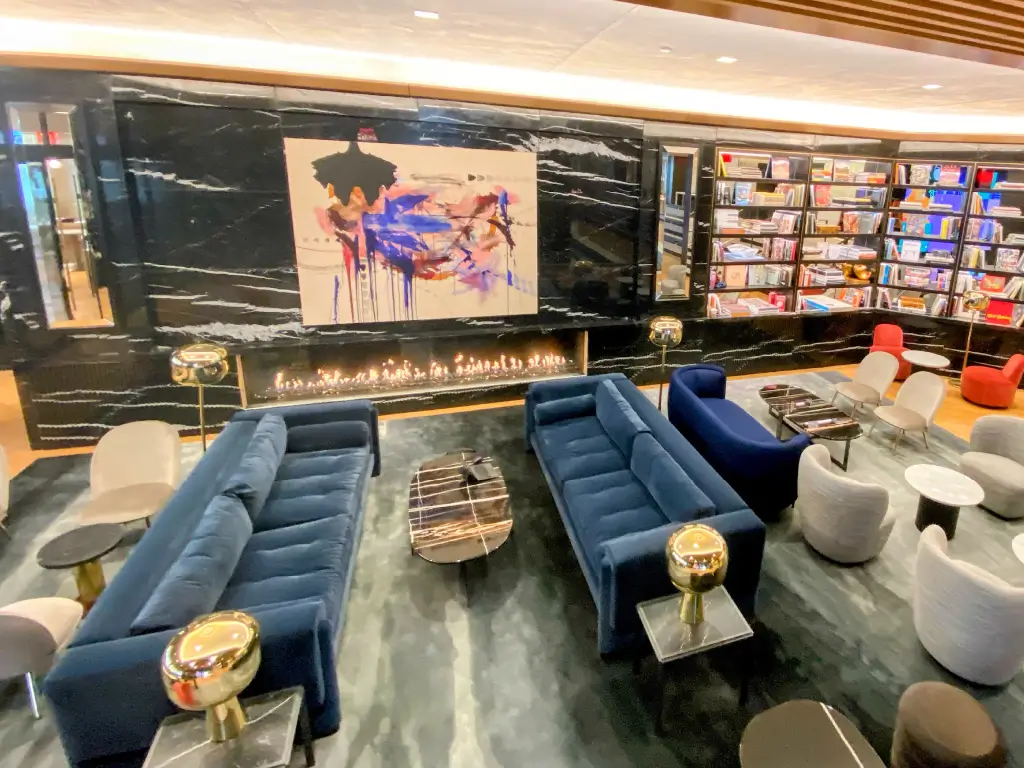
That hierarchy can look very different from one home to another. Some fireplace walls rely on a restrained palette of stone, plaster, or steel, allowing a linear fireplace to carry the design. Others incorporate custom millwork, open shelving, cabinetry, display space, or integrated lighting to create more depth and function.
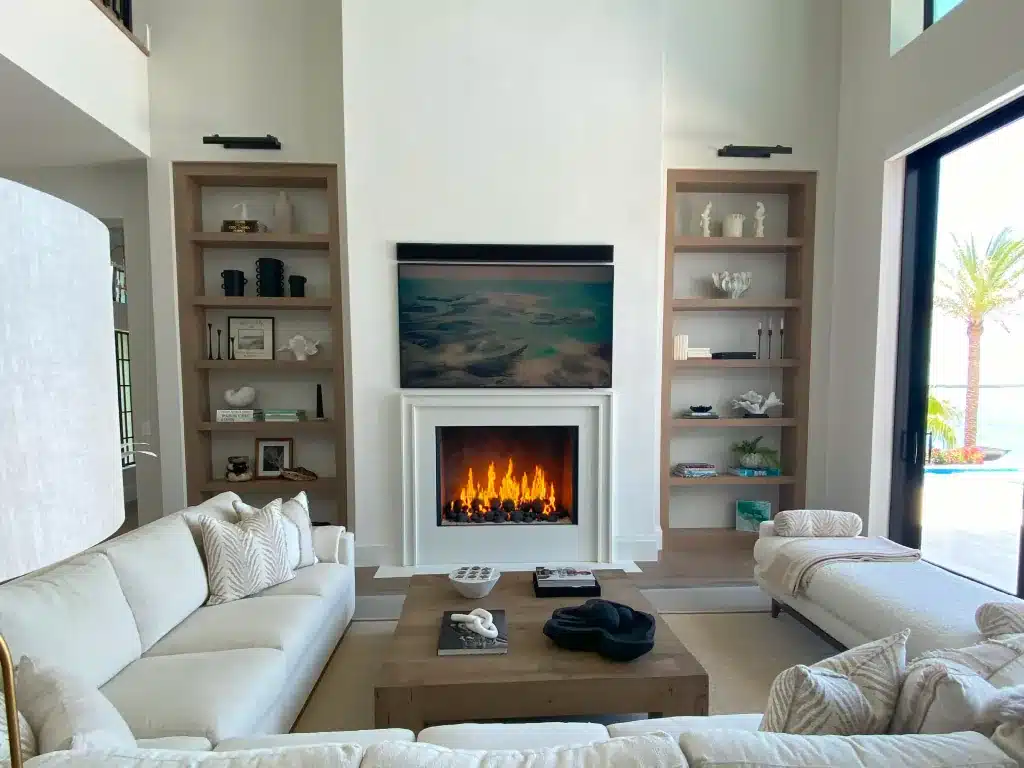
Symmetry is not always required, either. A balanced arrangement can create a calm, tailored look, while an asymmetrical layout can introduce movement and architectural interest when it is handled with purpose.
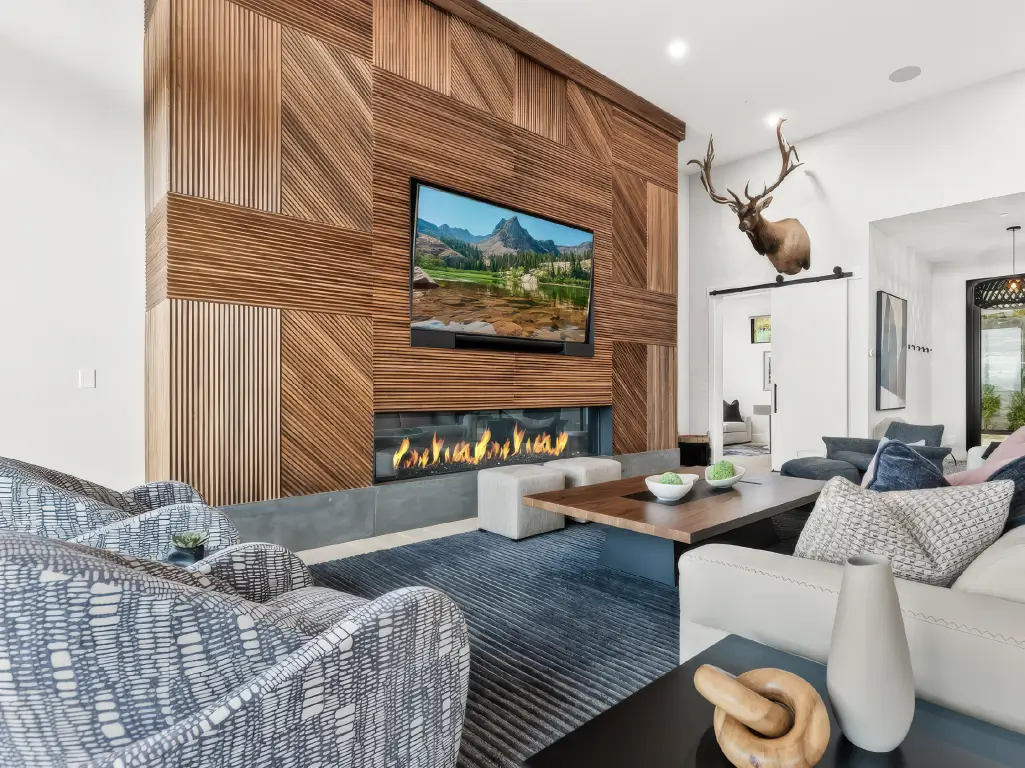
When a TV is part of the design, its placement deserves attention. The screen should feel integrated into the overall composition instead of dominating it. Thoughtful spacing, scale, materials, and surrounding features can help the fireplace remain an important focal point while keeping the entire wall visually balanced.
If you’d like more tips on placing a TV, check out our article on mounting a TV above a fireplace. It covers clearances, viewing comfort, and overall fireplace wall planning.
Match Fireplace Scale to Wall Scale
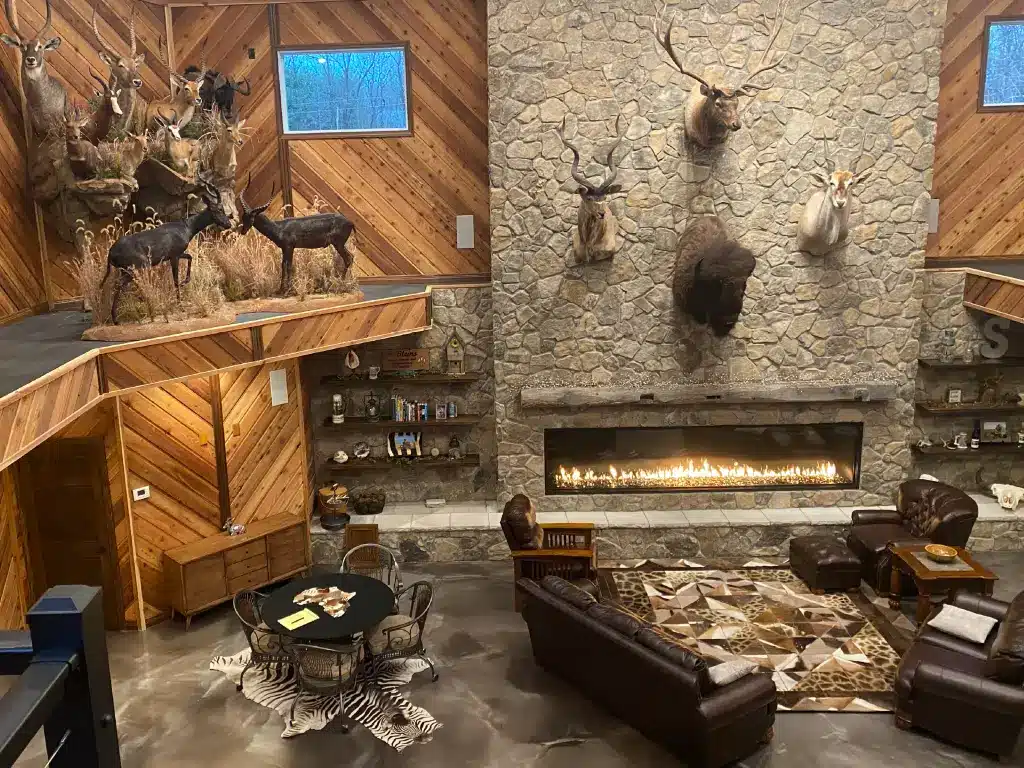
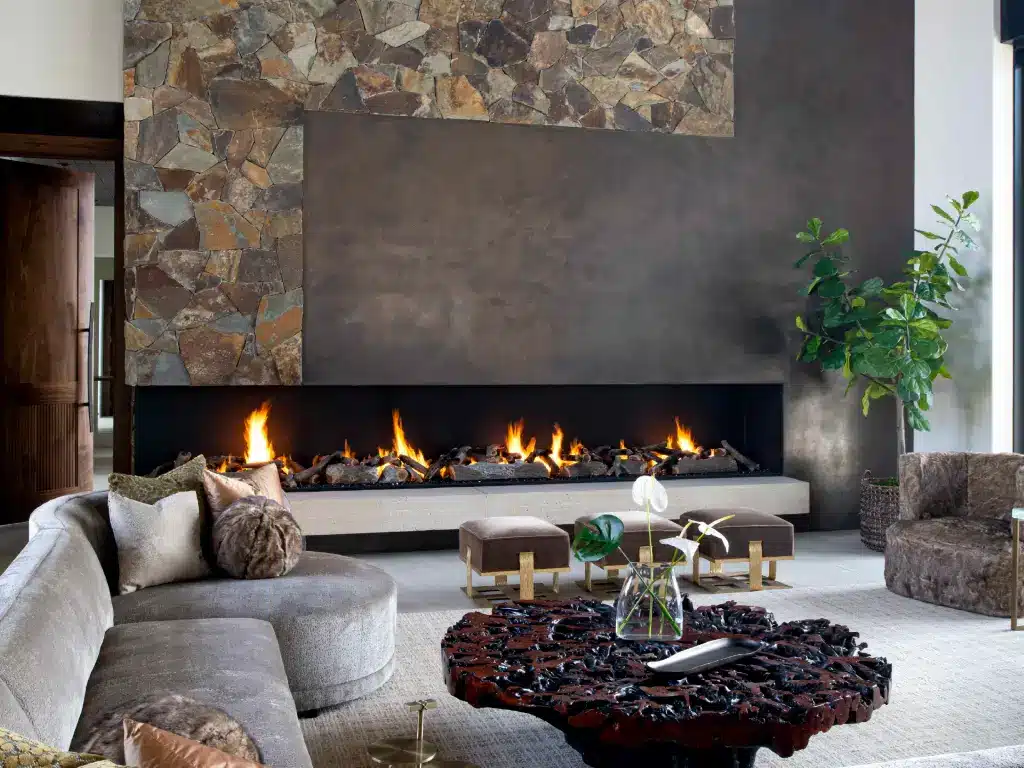
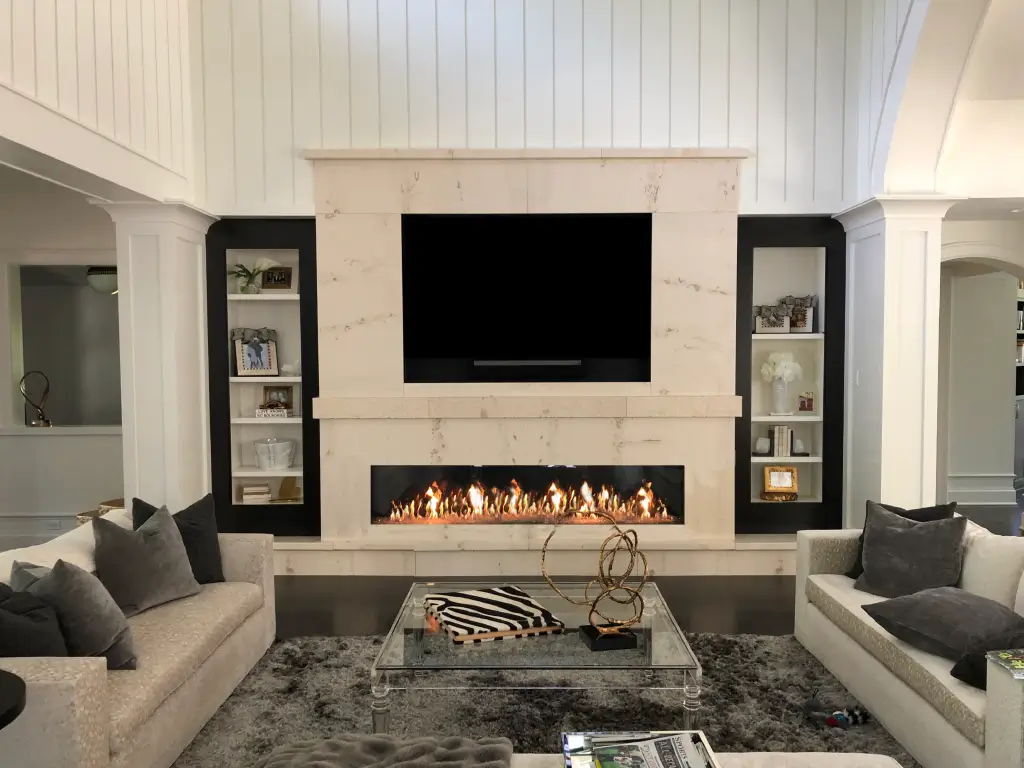
Scale plays a major role in the success of a luxury fireplace wall. A fireplace that is undersized can disappear within a large composition, while one that is too dominant may compete with surrounding materials, cabinetry, architectural details, or views.
The right proportions depend on the room as a whole. Ceiling height, wall width, overall room size, furniture placement, and key sightlines should all influence fireplace selection. In expansive rooms and open-concept spaces, a wider linear fireplace can reinforce the architecture, emphasize horizontal lines, and give the wall a stronger sense of presence.
This is where our Signature Series linear gas fireplaces can work beautifully. Their longer shape works well in modern feature wall designs where you want the fireplace to feel generous, refined and integrated without taking over the room. For designers exploring fireplace design ideas, scale should be considered alongside materials, viewing height and how the room will look from different angles.


Use Materials to Make the Fireplace Feel Built-In
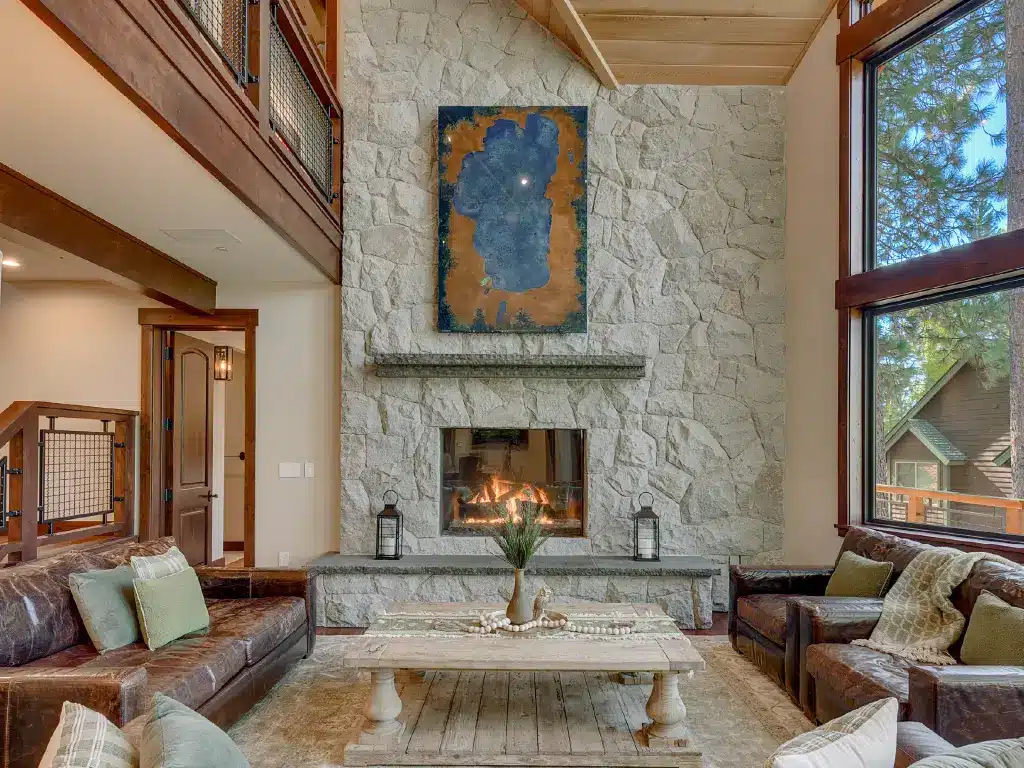
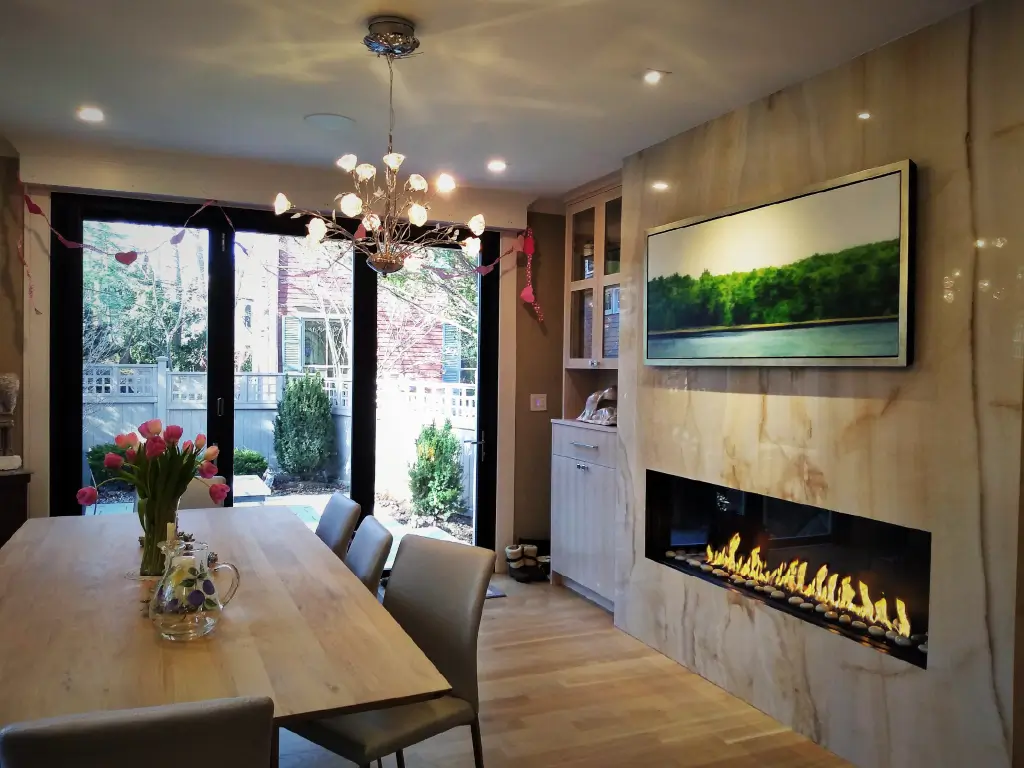
Material selection has a major influence on the character of a fireplace wall. Natural stone can create a substantial, architectural presence, while wood and custom millwork introduce warmth and texture. Finishes such as steel, tile, plaster, or glass can produce a more streamlined, contemporary effect.
The best designs use materials that fit well with the overall style and colors of the home. Small details matter just as much as the primary finish, including joint placement, edge treatments, lighting, trim, and the way one material transitions into another.
This becomes especially important in an open-concept home, where the fireplace wall may be visible from several adjoining spaces. When its materials relate naturally to the kitchen, dining area, and surrounding living spaces, the wall feels integrated into the home rather than treated as a separate decorative feature.
For homeowners and design teams working on a luxury fireplace wall, the goal isn’t just to pick beautiful finishes. It’s to choose materials that support the fireplace, the room, and the overall architecture. For ideas on fireplace scale, materials, and wall designs, check out our photo gallery.


Feature Wall Planning Checklist
Good fireplace design starts with understanding what the wall needs to accomplish. Before selecting materials or settling on a layout, consider a few questions that can help shape the direction of the project:
- ☐What element should attract attention first?
- ☐Will the design incorporate a TV, artwork, or another visual feature?
- ☐What fireplace dimensions and viewing configuration suit the proportions of the wall?
- ☐How will the installation appear from nearby rooms and common sightlines?
- ☐Which finishes will complement the architecture and interior materials already in the home?
- ☐Is there a need for cabinetry, hidden storage, open shelving, or display space?
- ☐Where should lighting be incorporated to add depth and visibility in the evening?
- ☐How should the wall interact with seating and traffic flow in the room?
- ☐Which structural, electrical, ventilation, or installation requirements need to be addressed early?
Working through these considerations helps move fireplace design ideas from inspiration to a cohesive architectural concept. It also gives homeowners, designers, architects, and builders a shared framework for creating a wall in which every element feels intentional and connected.


Key Takeaways: Designing a Fireplace Wall That Feels Integrated
A well-designed fireplace wall should look like it belongs to the home, not just something added later. As you plan, keep these priorities in mind to make sure everything works together:
- Design the fireplace wall as one complete architectural element instead of treating each feature separately.
- If you plan to include a TV, find a way to blend it into the design so it fits in, rather than stands out.
- Think about the size of the fireplace, the materials you use, storage options, where furniture will go, and how everything lines up. These choices all affect each other.
- Linear gas fireplaces are a great choice for modern rooms where you want clean lines and a simple, streamlined look.
- Plan out the structure, wiring, lighting, and finishes early on. This helps the finished wall look intentional and polished.
When you make these choices early, the fireplace will feel like a natural part of the room. Good fireplace design does more than catch the eye—it creates a focal point that feels balanced and fits the style of your home.
Feeling inspired? Complete the form below to connect with one of our gas fireplace design experts.

