

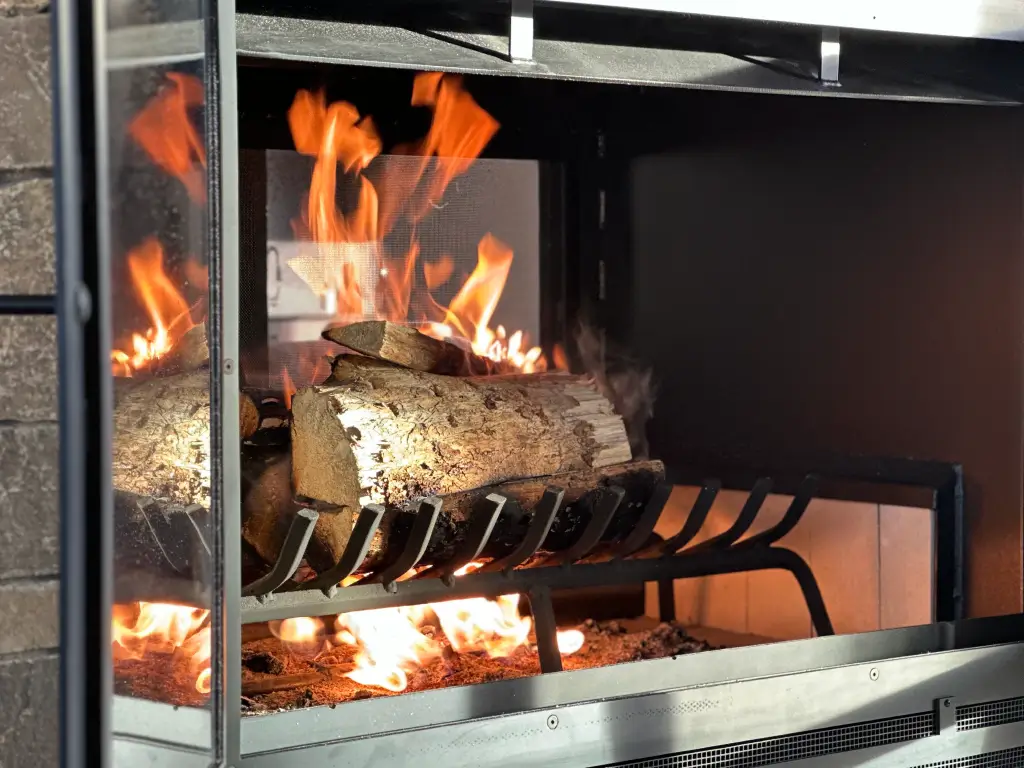
There’s something unmistakable about the first wood fire of the season. As the flame catches and the familiar warmth returns, those first few minutes can also tell you a lot about how your fireplace is performing after months without regular use.
Before the First Flame: Start With the Basics
Before lighting the first fire of the season, make sure you’ve already handled basic wood fireplace maintenance. Acucraft recommends an annual flue inspection, chimney cleaning as needed and routine checks of smoke and carbon monoxide detectors.
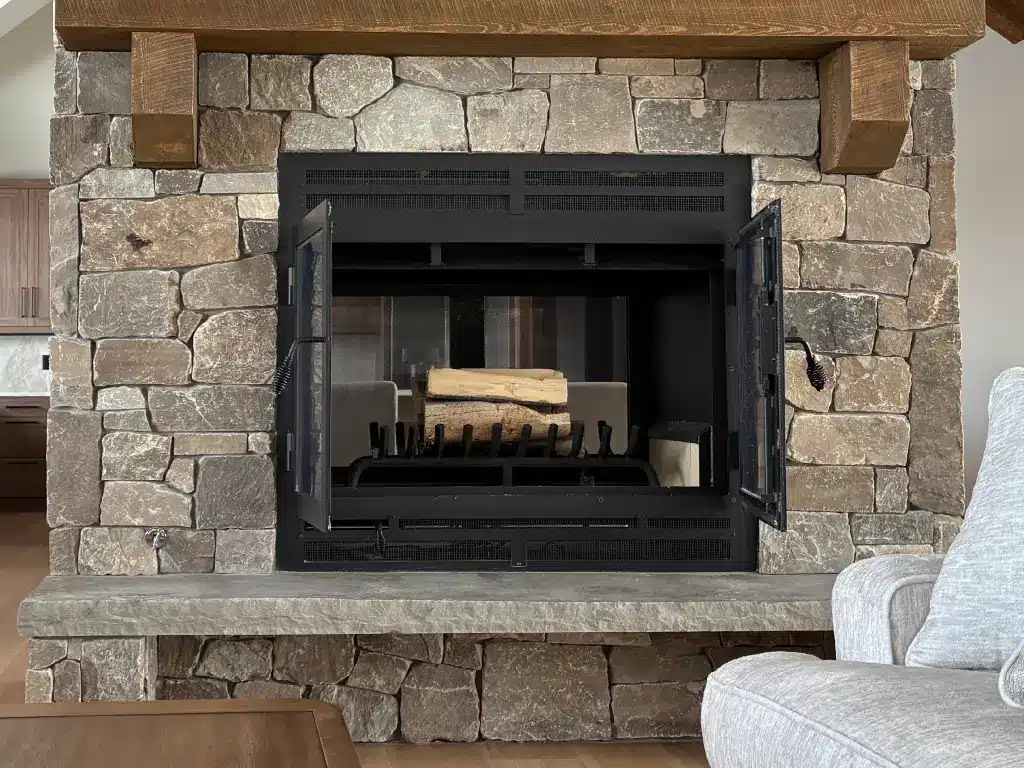
Look over the firebox, doors, and controls. Make sure you have properly seasoned firewood, too. Acucraft recommends dry wood with a moisture content between 18% and 22% for good wood-burning fireplace performance.
This isn’t meant to replace regular care or a professional inspection. For additional advice on preseason preparation, see our Wood Fireplace Care Tips. Once the basics are covered, the first fire of the season is a good time to pay attention to how your fireplace behaves.
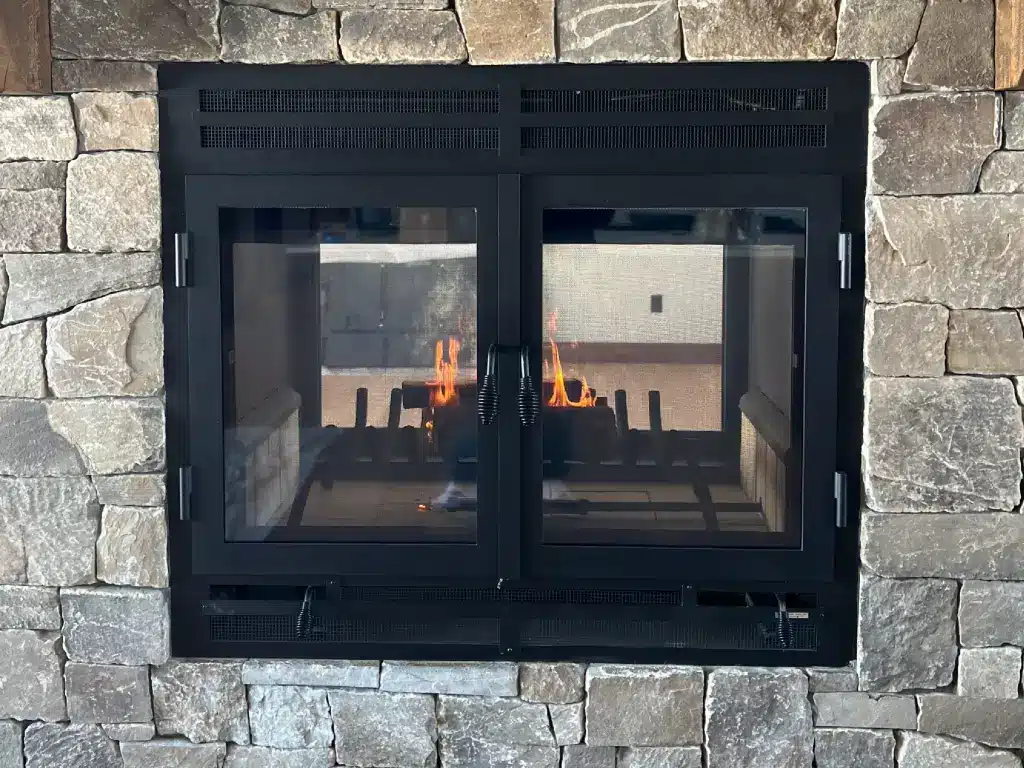
7 Things to Watch During Your First Fire
1. How Easily Does the Firewood Light and Keep Burning?
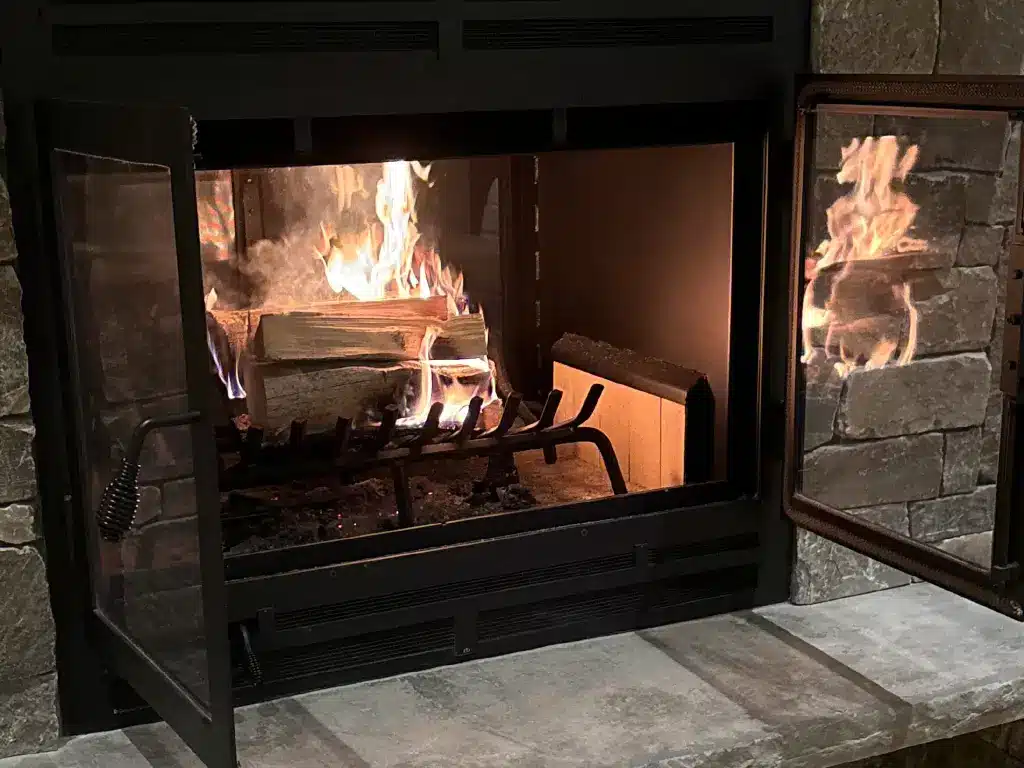
Notice what happens when you light your wood-burning fireplace. Does the wood catch and burn steadily, or does it smolder and struggle to stay lit?
Well-seasoned, dry wood is easier to burn. Wood that holds too much moisture can be harder to light and may produce more smoke and creosote. If the fire is sluggish, start by checking the fuel before assuming something is wrong with the fireplace.
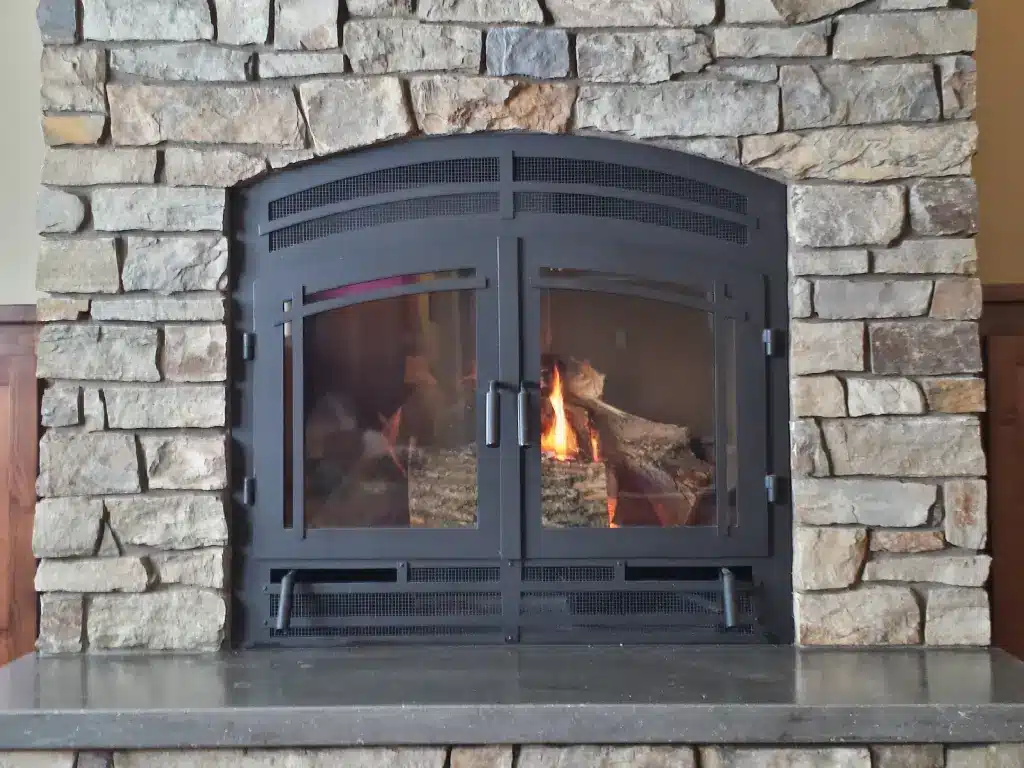
2. Do the Doors Close and Seal as Expected?
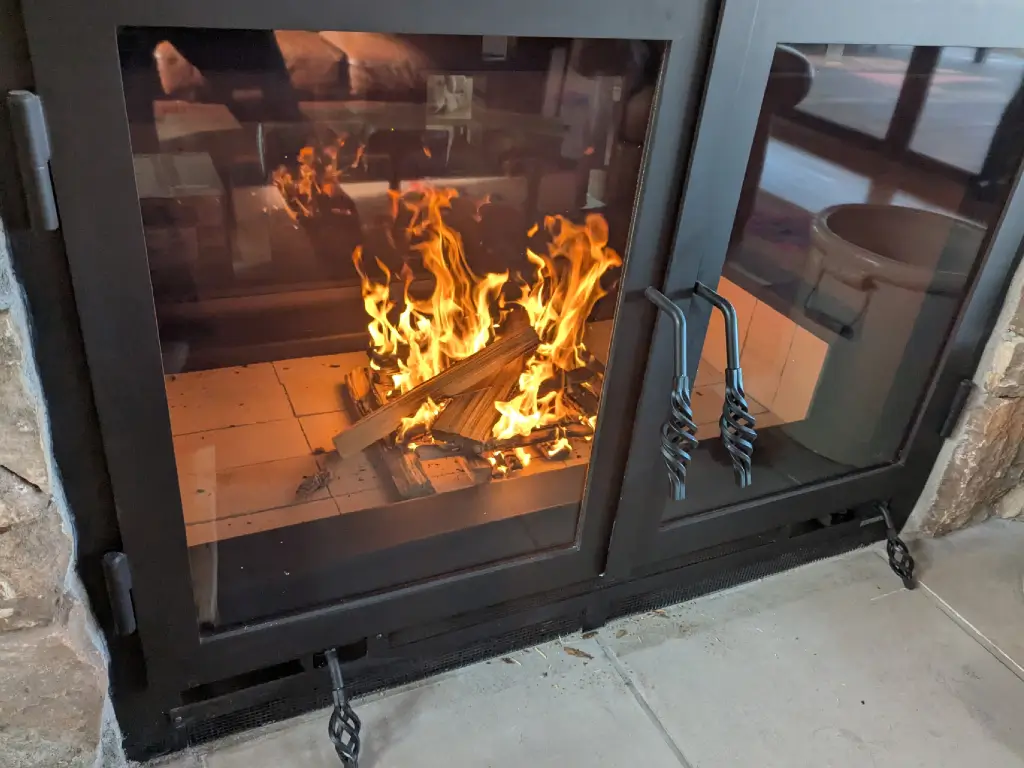
You probably open and close your fireplace doors without thinking about it. That familiarity can help you notice a change when you use the fireplace for the first time this season.
Check whether the doors move and close as they usually do. Look for gasketing that seems loose, damaged, or different from what you remember. If you notice a change, make a note of it.
Don’t guess at how to test or adjust a gasket. Check the operating instructions for your Acucraft fireplace before making adjustments and contact support if you’re unsure what to do.
3. How Quickly Does the Fireplace Establish Draft?
Watch the smoke as the fire starts. In a properly operating wood-burning fireplace, smoke should move toward the chimney rather than linger in the firebox or enter the room.
A mild fall evening can affect fireplace draft differently from a cold winter night. Outdoor temperature is one factor that may influence how quickly the chimney begins drawing smoke upward.
Give the fire a little time to establish itself and watch for a pattern. Does the smoke move up the chimney as the fire grows? Does the draft seem noticeably different from what you remember last season? One moment during startup may not tell the whole story.
If you want to learn more about how temperature, airflow, and draft affect your fireplace, check out our article “How to Maximize Your Wood-Burning Fireplace Performance.”
4. What Happens When You Open the Fireplace Door ?
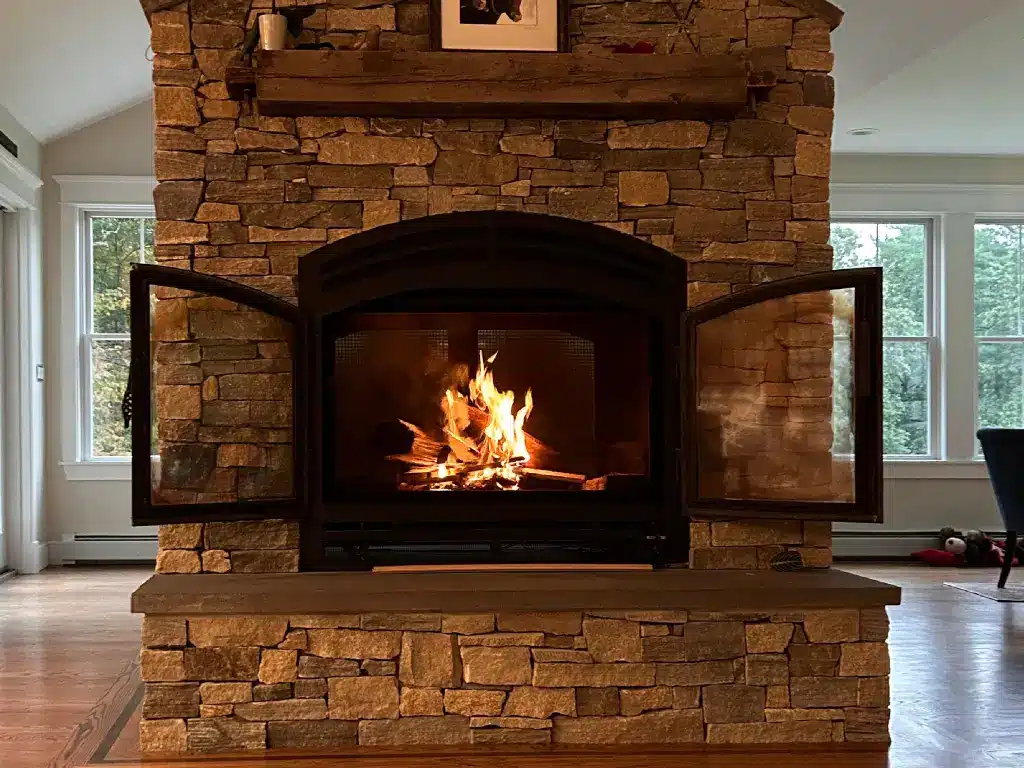
When you open the door to add wood or tend the fire, notice what happens to the smoke. It should continue moving up the chimney, not into the room.
Door operation and fireplace draft can vary by wood fireplace model. Follow the instructions for your specific fireplace when opening the door.
A brief change in flame or smoke doesn’t always point to a problem. But if smoke repeatedly enters the room when you open the door, stop using the fireplace and investigate before using it again. For more help, watch Acucraft’s Wood Fireplace Technical Support Videos.
5. How Does the Fire Respond to the Air and Damper Controls?
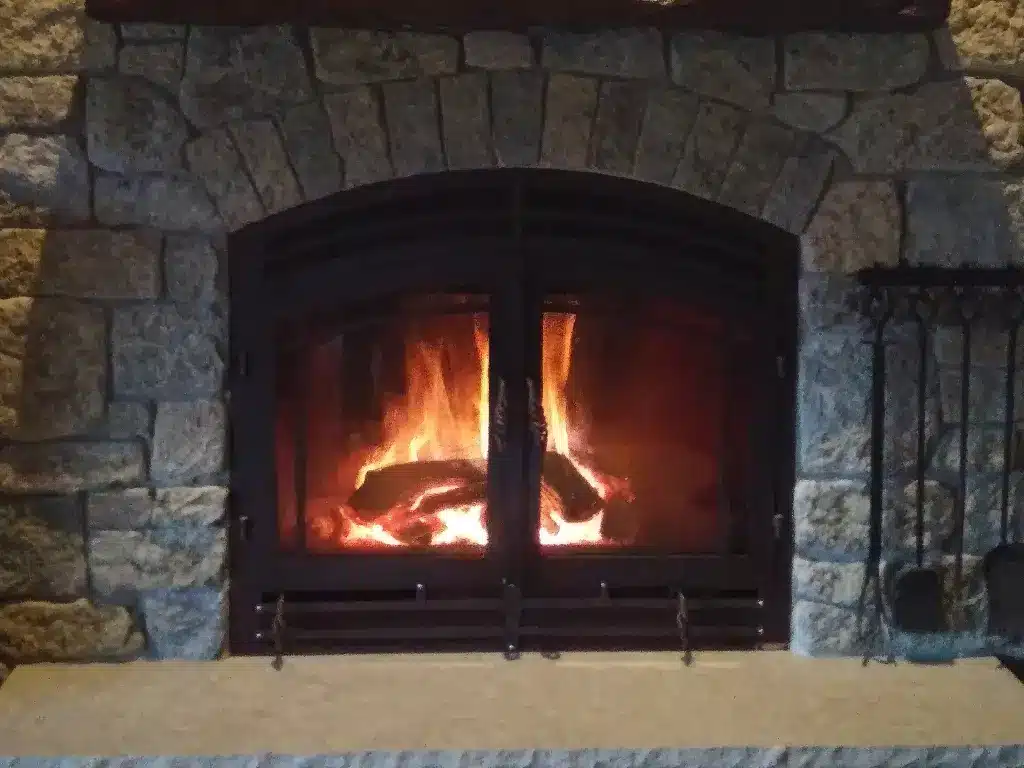
Once the fire is established, use the controls as directed in your fireplace manual and watch how the fire responds. Changes in airflow should affect the flame or burn rate in a way that feels familiar for your model.
Not every fire behaves exactly the same. Wood, weather, and draft can all affect the burn, so one unusually slow or active fire may not explain what’s happening.
Pay attention to what seems different. If the fire is smoky, slow, or difficult to manage, check the instructions for your model before adjusting anything.
Since controls are different for each model, Acucraft’s Fireplace Manuals Library is the best place to find the operating and maintenance advice for your particular fireplace.
6. What Can the Glass Tell You?
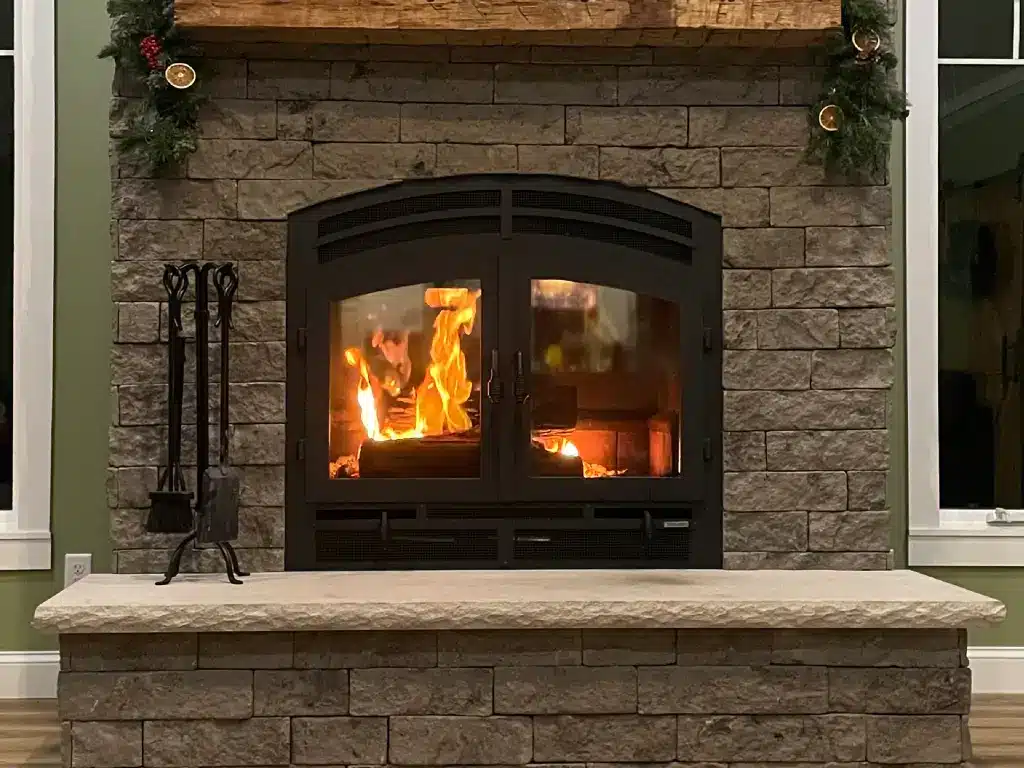
The glass can offer a clue about how your fireplace is burning. Some soot may be normal, but glass that darkens quickly, especially when that’s unusual for your fireplace, is worth noticing.
Don’t draw a conclusion from the glass alone. Fuel moisture, airflow, fireplace draft, and the way the fire burns can all affect what you see. Consider the glass alongside how easily the fire started and how it responded to the controls.
If the glass looks different from what you remember in past seasons, make a note of it. One observation can’t diagnose the fireplace, but it may be useful information if you need to consult the manual or ask for help. That kind of attention is part of good wood fireplace maintenance.
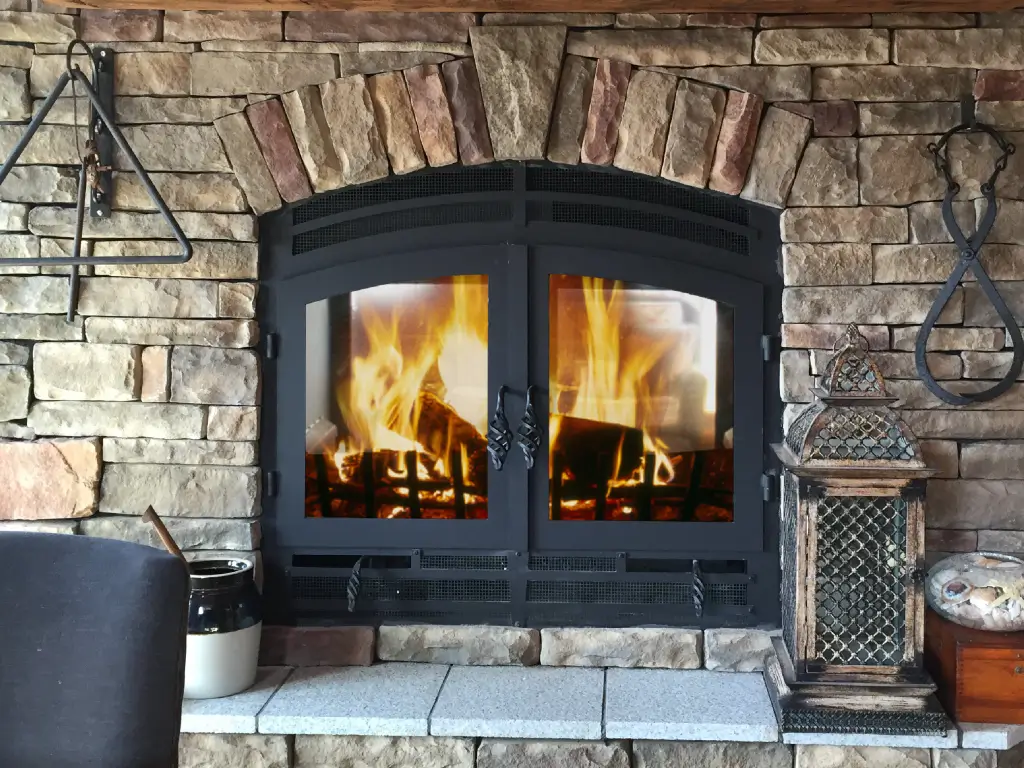
7. Does the Fireplace Settle Into a Steady, Controlled Burn?
After startup, once a coal bed has formed, look at the fire as a whole. The way it burns now can help you compare this season’s performance with what you’ve seen before.
Consider a few things as you watch:
- Is the fire burning steadily?
- Is smoke moving up the chimney?
- Do the controls affect the fire as expected?
- Are the doors operating normally?
- Does this burn seem familiar for your fireplace?
- Have you noticed a change in the smoke, sound, or overall behavior?
You know your fireplace better than anyone else. If the first fire of the season settles into the steady burn you remember, that’s reassuring. If something seems off, use what you observed to decide whether to review the manual or contact support.
If you have questions about how your Acucraft fireplace is performing, visit our Technical Support Services page for additional guidance and support.
What Is Your First Fire Telling You?
One unusual moment doesn’t necessarily mean there’s a problem. Look for patterns across the fuel, draft, doors, controls, and the way the fire burns during the first fire of the season.
Use this table as a starting point, not as a diagnosis:
| What you notice | What it may point to | Where to go next |
|---|---|---|
| Fire struggles to catch or stay active | Fuel quality or airflow may be contributing | Check the firewood and operating guidance |
| Smoke doesn’t move readily into the chimney | Draft or airflow conditions may need attention | Review draft guidance and fireplace manual |
| Smoke repeatedly enters the room | Draft may not be properly established | Stop using the fireplace and investigate |
| Doors don’t close or operate as expected | Gasket, hardware or door condition may need attention | Consult care resources or Acucraft support |
| Glass darkens unusually quickly | Fuel, airflow or draft may be affecting the burn | Review performance and care guidance |
| Fire doesn’t respond normally to controls | Airflow or draft may need further evaluation | Consult the manual for your model |
| Overall burn feels noticeably different | Several conditions may be contributing | Contact Acucraft Technical Support if the change persists |
Good wood fireplace maintenance includes knowing when to check the manual or ask for help. A slow-starting fire on a mild evening may have a different explanation from one that also sends smoke into the room or responds poorly to the controls.
If you need more help after checking these things, visit our Technical Support Services page to find out what to do next.
Frequently Asked Questions About the First Fire of the Season
The chimney needs time to draw smoke upward as the fire gets started. On a mild fall evening, the fireplace draft may take longer to establish. Damp firewood or limited airflow can also affect what happens during startup.
If smoke keeps entering the room, put the fire out if you can do so safely and stop using the fireplace until the cause has been checked. Ongoing smoke inside the home isn’t something to ignore.
It can. The difference may be noticeable when you light your first fire on a mild evening, then again during a colder stretch later in the season. Acucraft’s performance guidance explains how outdoor temperature can affect chimney drafting and combustion-air settings.
Pay attention to how the fire behaves as it grows. Weather is one factor; the fireplace manual can help you understand the settings for your model.
Stop using it if smoke repeatedly enters the room, the fireplace draft won’t establish, the doors no longer close securely, or the wood-burning fireplace is behaving in a way you haven’t seen before.
If you’re unsure what to check, contact Acucraft Technical Support before lighting another fire.
Start the Season With Confidence
The first fire can be a small seasonal ritual: a match, the first crackle, the smell of wood, and warmth in the room. It’s also the first chance in months to see how the fireplace starts and burns.
You don’t have to diagnose anything. Just notice what’s familiar and what isn’t. If your wood fireplace seems to be working differently this year, write down what you observed and consult the manual for your model.
When everything is working as expected, enjoy the fire.
Questions about your first fire of the season? Fill out the form below to connect with an Acucraft Wood-Burning Fireplace Expert.