

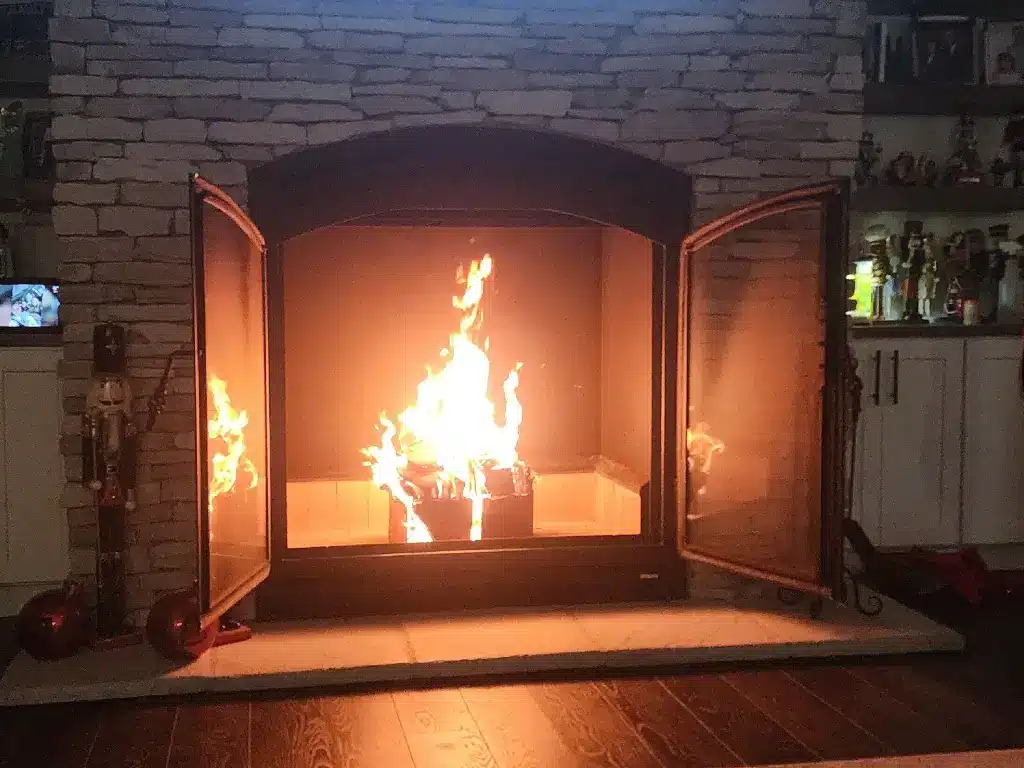
A well-loved fireplace carries the memory of every fire. With the right care, it can keep performing beautifully season after season.
There’s something about a wood-burning fireplace that just defines a season. Whether it’s the sound of wood crackling, the movement of the flame itself, or simply how warm it feels to have that comfort surround you at the end of a long day, few features in your home can beat the atmosphere a fireplace creates. Because it becomes such an integral part of your home throughout the seasons, regular wood-burning fireplace maintenance is key to preserving that experience year after year.
Just as with any other part of your home you use regularly, your fireplace requires routine care to keep performing at its best. Ash, soot, and creosote buildup will inevitably develop inside your firebox and chimney after a season of burning wood. When spring rolls around, it can be tempting to put off cleaning a wood-burning fireplace and other maintenance tasks. However, delaying annual fireplace maintenance can affect how efficiently and safely your fireplace operates once fall and winter arrive.
Maintaining your wood-burning fireplace can lead to cleaner burning, easier fire-starting, and more reliable performance in the long run. Perhaps even more importantly, routine fireplace safety inspections and seasonal wood fireplace care can help you spot larger issues before they start. By taking the right approach to your wood fireplace cleaning and routine maintenance, you can enjoy your fireplace for years to come.
Start With a Seasonal Fireplace Check
The end of the burning season is one of the best times to reset a fireplace and take a closer look at how it performed over the winter. The experience of the past season is still fresh, making it easier to remember changes in airflow, heat output, or overall performance that may need attention before the next cold season arrives.
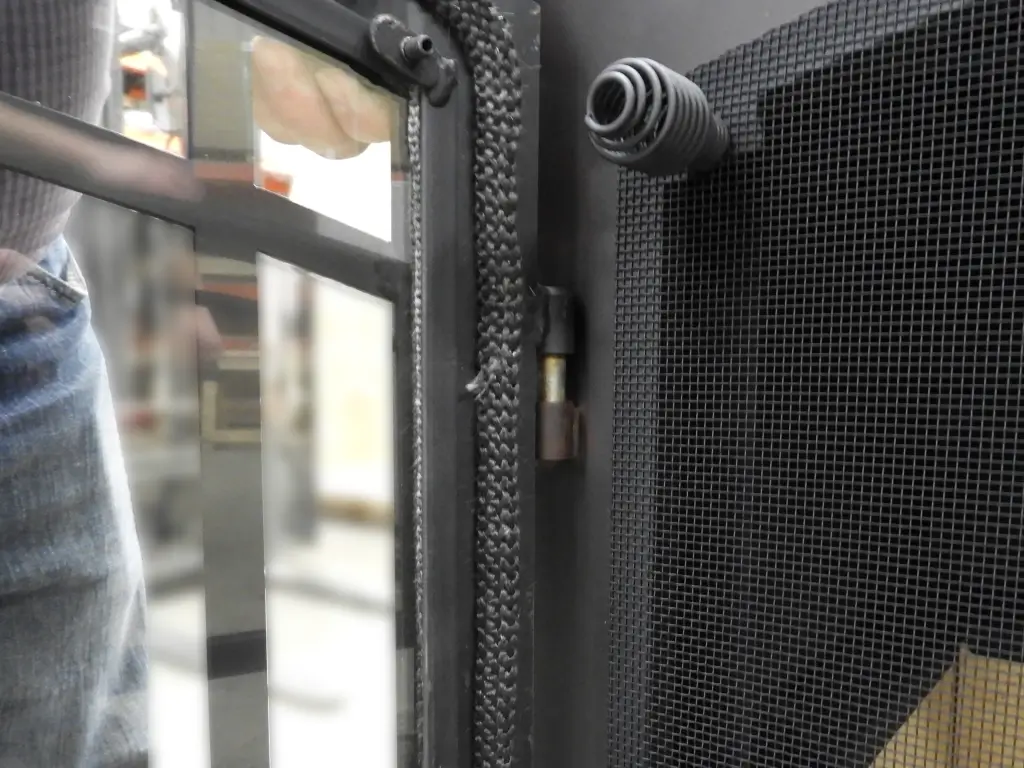
Start with a simple visual inspection. Look for ash buildup, soot, residue, or anything that seems unusual compared to normal use. Check visible components such as fireplace doors, handles, screens, gaskets, and surrounding materials for signs of wear or aging. This type of routine fireplace care can help identify smaller issues before they become more noticeable over time.
It’s also helpful to think back on how the fireplace operated throughout the season. Smoke entering the room, lingering odors, or difficulty getting fires started can all point to areas that may need attention. While this kind of seasonal review does not replace professional service or wood fireplace cleaning, it’ll give you a clearer understanding of overall fireplace performance.
For a deeper look at how use and upkeep work together, explore Acucraft’s guide to maximizing wood-burning fireplace performance.
Simple Fireplace Care for Homeowners
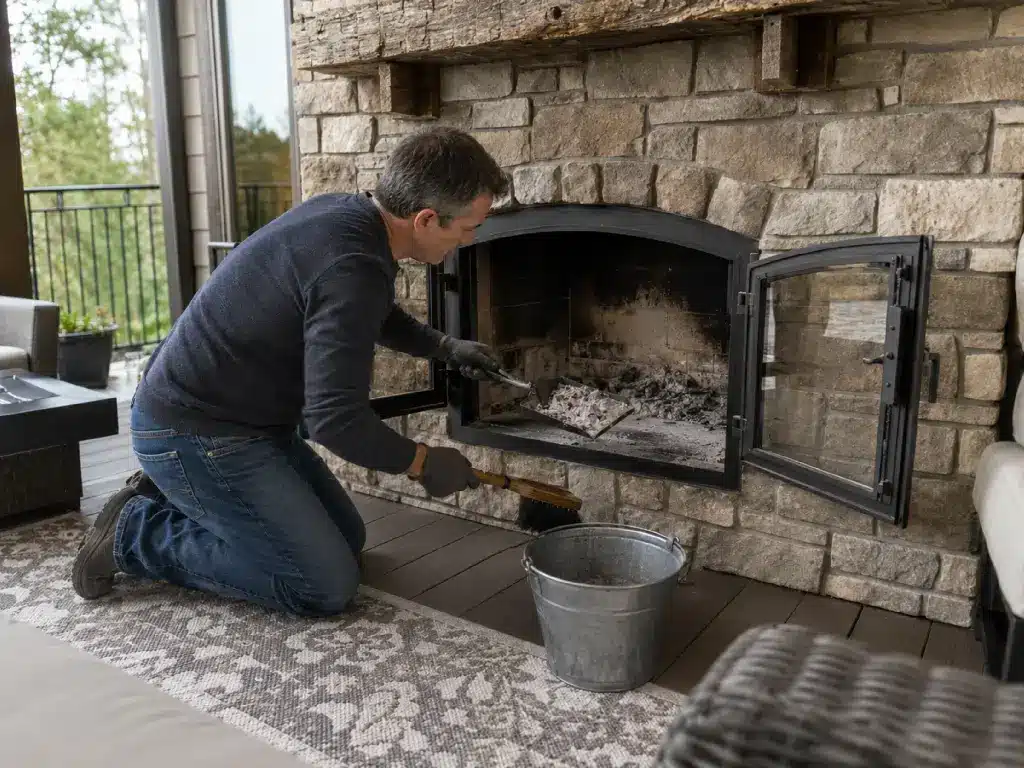
Routine wood fireplace cleaning helps preserve the experience of using the fireplace. Before removing ash, always allow it to cool fully. Once safe, remove excess ash and debris from the firebox and keep the surrounding hearth area clean and clear.
A small amount of ash can sometimes help insulate coals during normal use, but heavy buildup should not be ignored. Too much ash or soot can affect airflow, make fires harder to start and create a less enjoyable experience. Always use the tools recommended for your specific fireplace model and follow manufacturer guidance whenever cleaning visible components.
Good fireplace care extends beyond the fire itself. The hearth, tools, screens and surrounding area all contribute to a cleaner, safer and more enjoyable experience.
Use this simple seasonal guide to help keep your fireplace ready for the next fire.
Wood-Burning Fireplace Maintenance Checklist
- Let ashes cool completely before removal.
- Remove excess ash and debris from the firebox.
- Check visible doors, handles, screens and gaskets.
- Keep the hearth area clear of combustible items.
- Note smoke issues, odors or changes in performance.
- Use only properly seasoned wood.
- Schedule annual chimney inspection and cleaning with a professional.
- Test smoke and carbon monoxide detectors.
- Reach out to a fireplace expert with performance or maintenance questions.
This checklist is not meant to replace model-specific guidance or professional service. It simply gives homeowners a practical way to keep wood-burning fireplace maintenance on track.
Chimney and Venting Maintenance
The chimney and venting system play a major role in the overall performance of a wood-burning fireplace. When airflow is strong and the chimney system remains clear, fires burn more efficiently and consistently. As soot, creosote, or debris accumulate over time, draft performance can decline, creating issues that affect both comfort and operation.
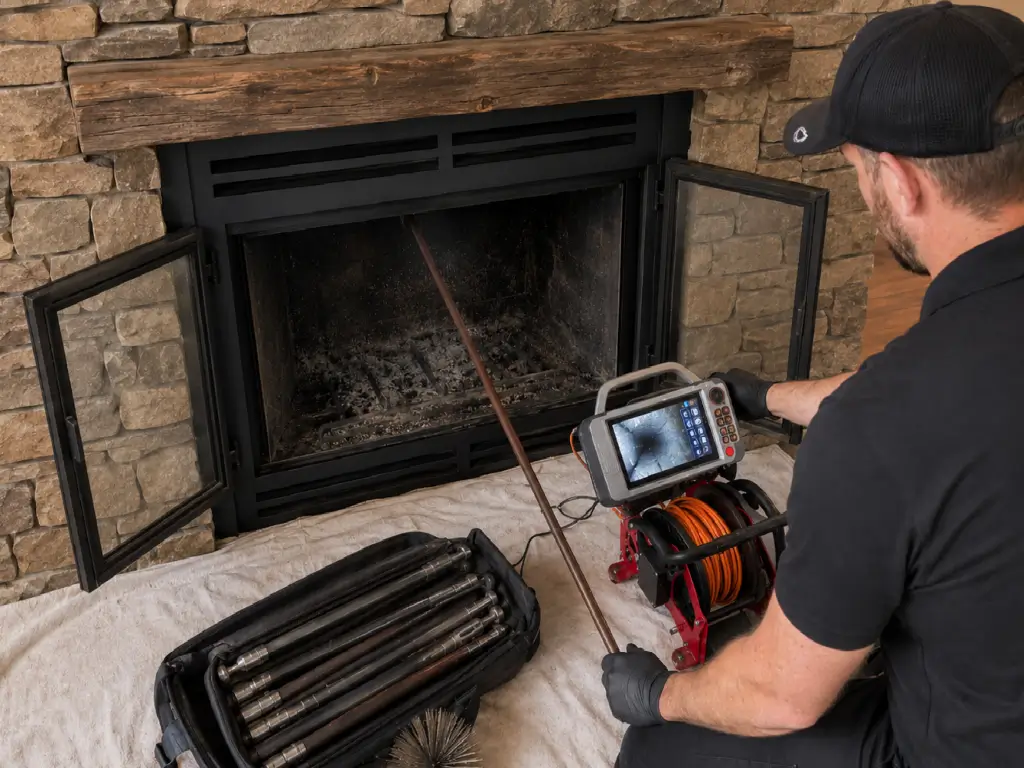
Annual chimney inspections and professional cleaning are important parts of long-term maintenance for wood-burning fireplaces. A trained professional can identify buildup, blockages, structural wear, or drafting concerns that may not be visible from inside the firebox. Scheduling this type of inspection before the next burning season helps ensure the system is prepared for regular use when colder weather returns.
Consistent chimney service also plays an important role in overall fireplace safety. Keeping the venting system clean and functioning properly supports reliable fireplace performance and gives you greater peace of mind each time a fire is lit.
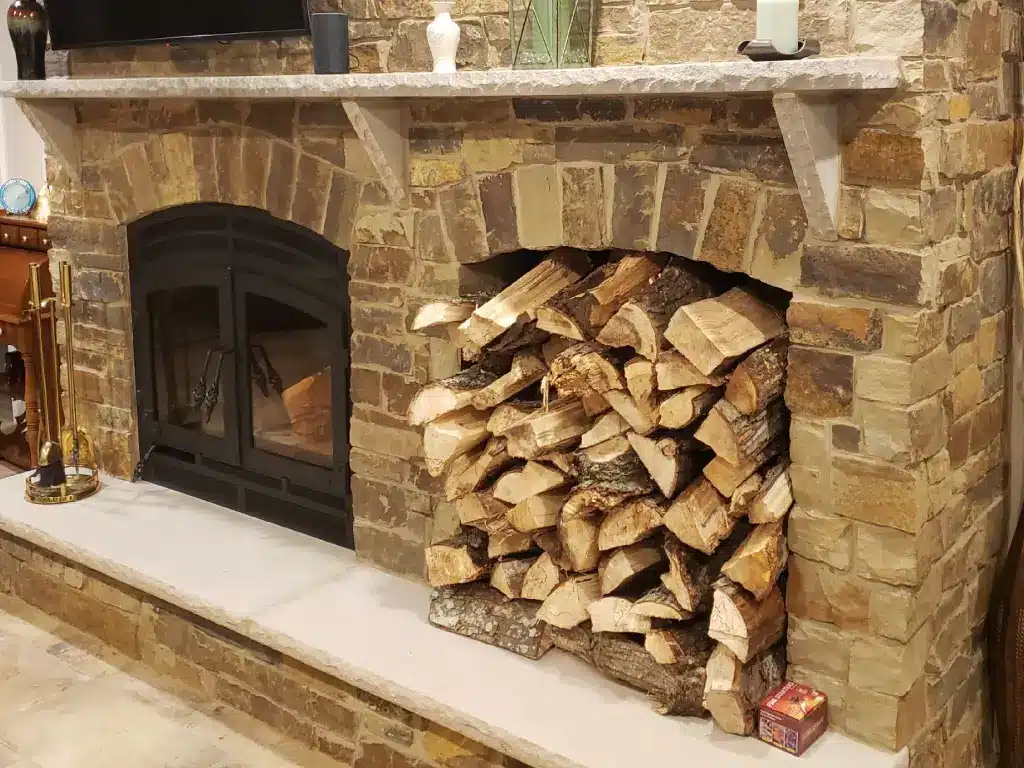
Firewood Quality and Burning Habits
Good fireplace care begins before the fire is ever lit. The type of wood being burned and the way a fire is started both influence how efficiently a wood-burning fireplace performs throughout the season. These choices also affect how much soot, ash, and residue collect inside the fireplace and chimney over time.
Properly seasoned firewood is one of the most important parts of clean-burning performance. Dry wood burns hotter and more efficiently than green or damp wood, producing less smoke and helping reduce buildup inside the system. It is also important to avoid burning trash, treated lumber, painted wood, cardboard, or other materials that can create excess residue and negatively affect indoor air quality.
Daily burning habits also contribute to the long-term maintenance of wood-burning fireplaces. Fires should be built according to manufacturer recommendations, kept at a manageable size, and never overloaded beyond the intended capacity of the firebox. Over time, these smaller habits support cleaner operation, reduce unnecessary wear, and help maintain reliable fireplace performance season after season.
For more guidance on building a cleaner, more consistent fire, explore Acucraft’s expert tips for starting a wood fire.
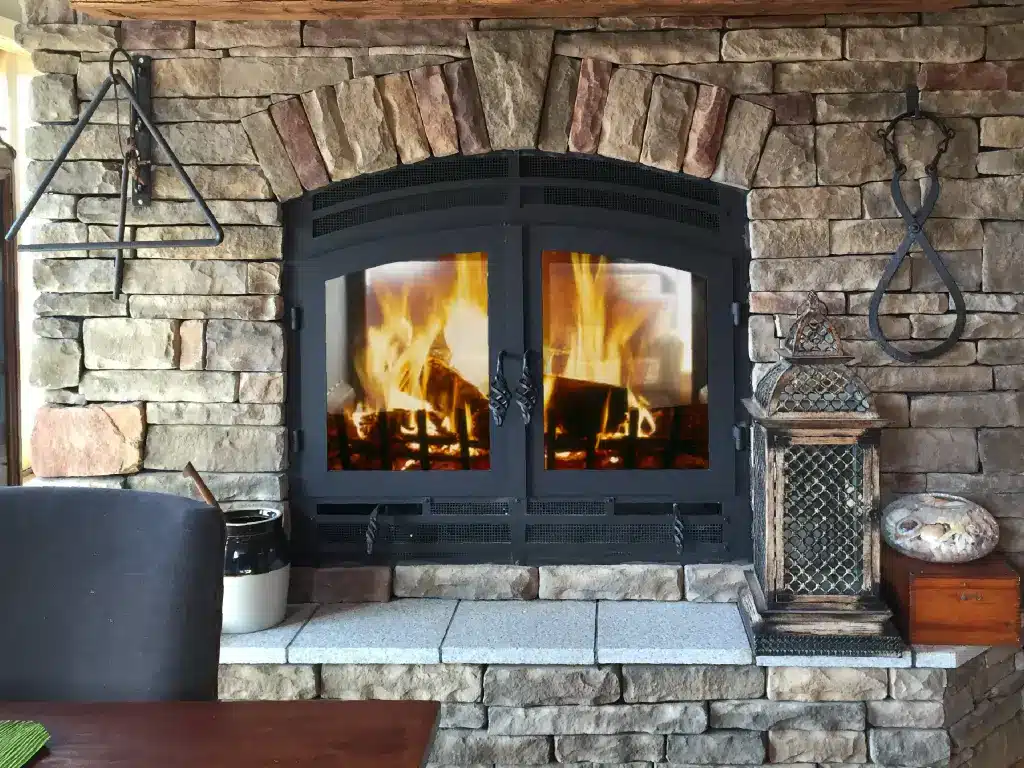
Fireplace Safety Habits Worth Keeping Year-Round
The warmth of a wood fire should feel comforting, not complicated. Strong fireplace safety habits help preserve that confidence.
- Keep combustible items away from the fireplace opening and hearth.
- Use the fireplace only as intended, and don’t leave fires burning unattended overnight.
- Make sure smoke and carbon monoxide detectors are working properly and keep children and pets at a safe distance when the fireplace is in use.
- After cleaning or inspection, replace or secure any screens, guards or components that were moved.
These details may feel small, but they help the fireplace remain ready, reliable and enjoyable.
For additional guidance, Acucraft’s fireplace safety resources offer practical reminders for using and caring for wood-burning fireplaces with confidence.
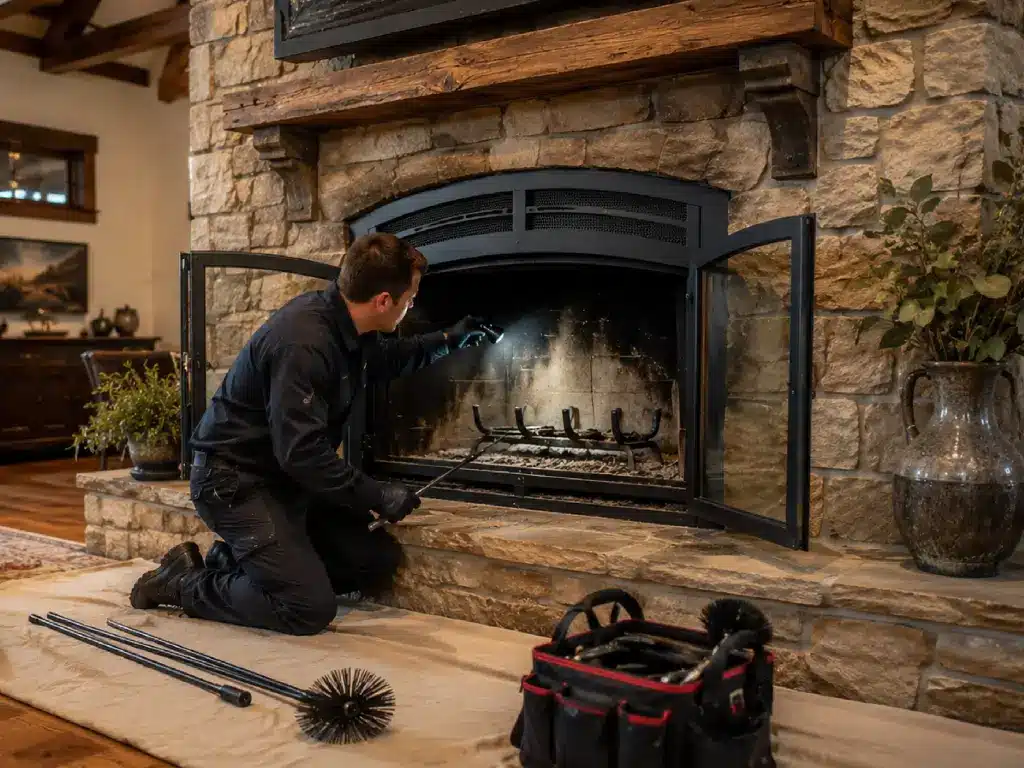
When to Bring in a Professional
Some maintenance belongs in the hands of a professional. Annual chimney inspection and cleaning should be part of every homeowner’s wood-burning fireplace maintenance plan.
A professional should also be contacted if smoke backs into the room, odors persist, drafts seem inconsistent or visible damage appears around the fireplace or chimney. Cracks, worn components or changes in performance should not be ignored.
Professional support is also helpful when you simply want reassurance before the next season begins. A trained expert can help confirm that the fireplace is ready for use and answer questions about care, operation and long-term performance.
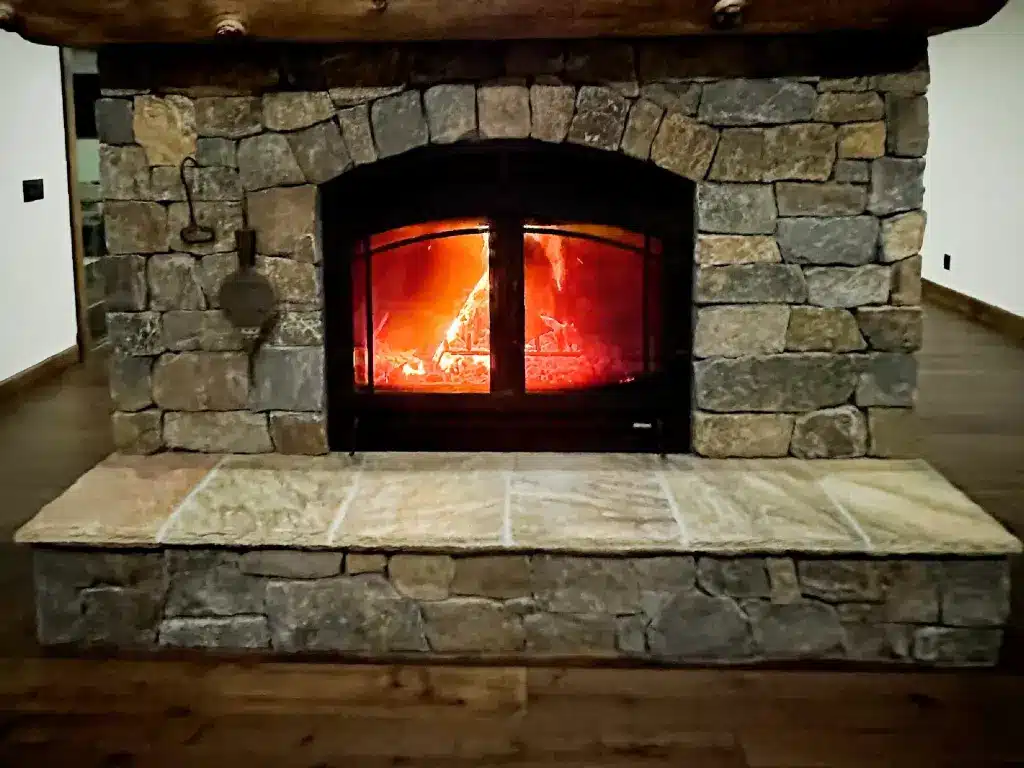
Where Maintenance Makes the Biggest Difference
Regular maintenance becomes even more important in the areas of the home where the fireplace is used most often. Living rooms, great rooms and central gathering spaces typically see the highest fireplace use throughout the colder months, making routine upkeep an important part of preserving comfort and performance. Consistent fireplace care helps these heavily used spaces remain ready for the next fire, whether it’s part of a quiet evening or a larger family gathering.
Vacation homes and seasonal properties also benefit from regular inspections, even when the fireplace has not been used recently. A system that sits idle for months can still develop issues related to moisture, debris buildup, or animal activity in the chimney or venting system. Before starting the first fire of the season, a quick inspection and any necessary wood fireplace cleaning can help identify problems that may not be immediately visible.
The more central a fireplace is to the home, the more important proper maintenance becomes. When a wood-burning fireplace helps define a room’s atmosphere, upkeep supports both the fireplace’s function and the way the space is meant to be enjoyed.
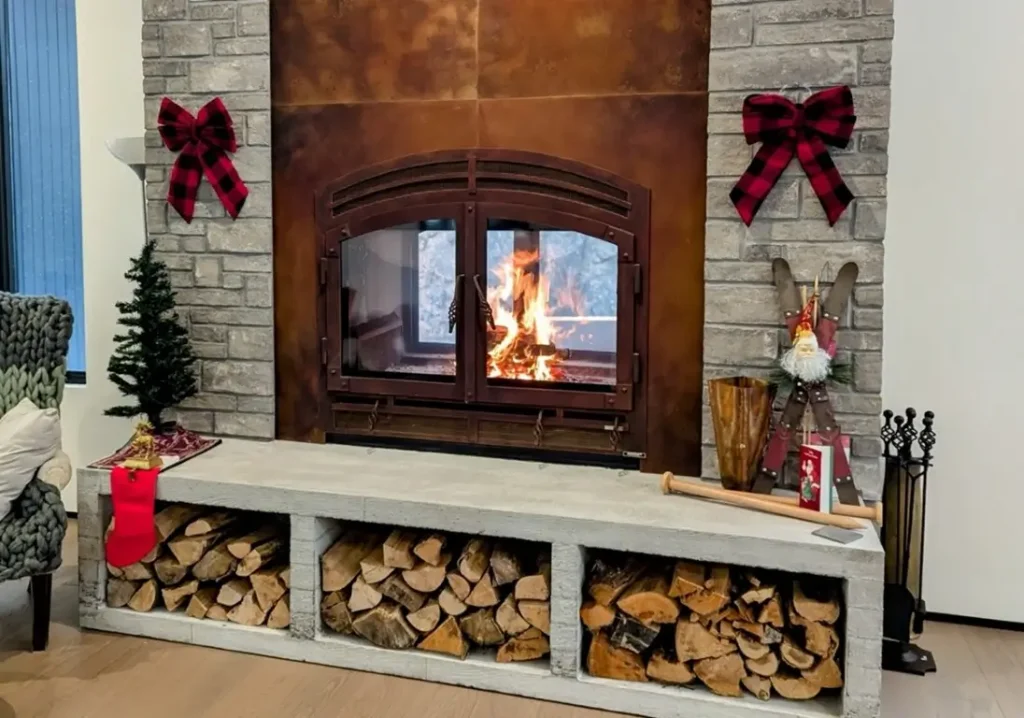
Protect the Fire Experience
A wood-burning fireplace rewards consistent attention over time. Seasonal cleaning, chimney inspections, quality firewood and smart burning habits all contribute to better performance, improved comfort and long-term reliability.
At its core, fireplace care is about preserving what makes a real wood fire so meaningful: the glow, the sound, the warmth and the confidence that the fireplace is ready when you are. With the right approach to wood-burning fireplace maintenance, you can continue enjoying that experience for years to come.
Acucraft remains a trusted resource for questions about fireplace performance, maintenance and long-term use.
Have questions about fireplace safety or maintaining your wood-burning fireplace? Contact the Acucraft team by completing the form below to connect with a fireplace expert.